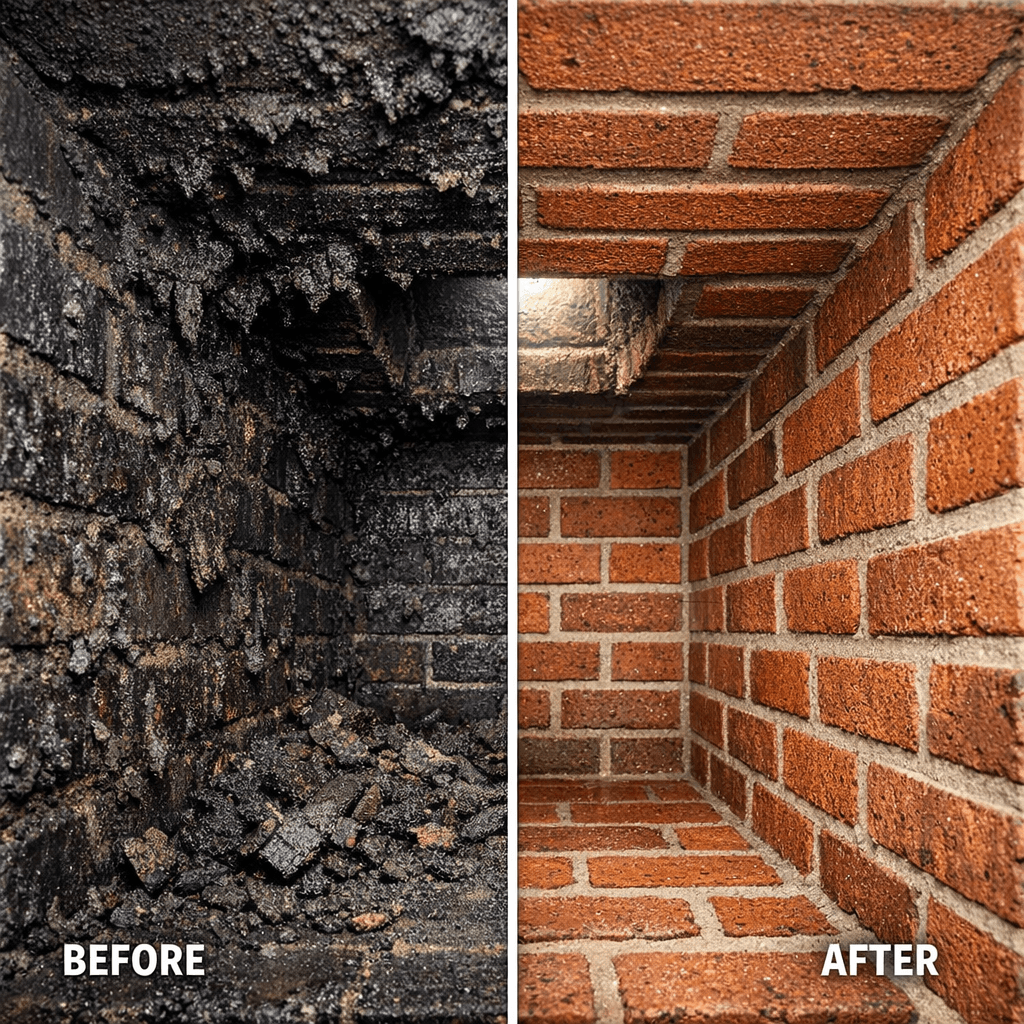
What Is a Chimney Flue? Complete Guide for Florida Homeowners
A chimney flue is the passageway inside your chimney that carries smoke, hot gases, moisture, and combustion byproducts safely from your fireplace or fuel-burning appliance to the outdoors. Think of it as the exhaust pipe of your heating system.
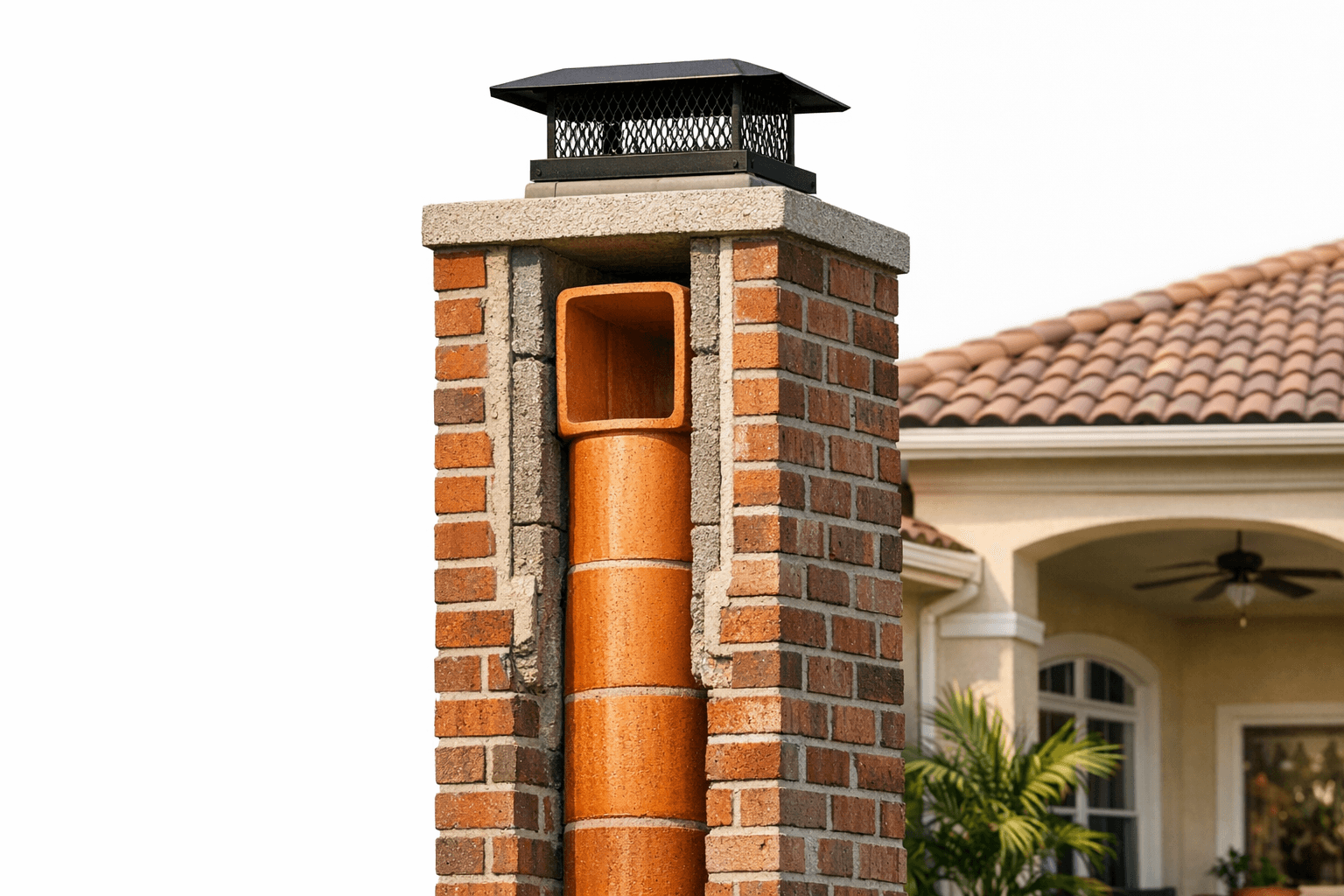
While the chimney is the entire vertical structure you see from outside, the flue is specifically the interior channel where gases travel. A single chimney can have multiple flues-one for a fireplace and another for a water heater or furnace.
In Florida, where fireplaces often see seasonal or occasional use, understanding your flue's condition is important for safe operation and preventing costly damage from humidity and infrequent use.
Need a chimney inspection in Florida? Call Pro Air Chimney at 813-513-7861 or schedule at https://proairchimney.com/contact.
Table of Contents
- What is a chimney flue (simple definition)
- Flue vs chimney: understanding the difference
- How a chimney flue works
- Types of chimney flue liners
- Why flue liners matter for safety
- Chimney flue maintenance requirements
- Warning signs your flue needs attention
- Common chimney flue problems in Florida
- When to schedule a flue inspection
- FAQ
- Sources
What is a chimney flue (simple definition)
A chimney flue is the enclosed channel inside your chimney that provides a path for combustion gases to exit your home. When you light a fire, the flue carries:
- Smoke from burning wood or gas
- Hot gases (including carbon monoxide)
- Moisture and water vapor from combustion
- Fine particles and soot
The flue's job is to create a safe, contained pathway that keeps these byproducts away from your living space while allowing fresh air to flow into the firebox for efficient combustion.
Key point: The flue is not the chimney itself. The chimney is the entire masonry or metal structure; the flue is the hollow interior passage.
Flue vs chimney: understanding the difference
Many homeowners use "flue" and "chimney" interchangeably, but they're distinct components:
| Component | What It Is | What It Does |
|---|---|---|
| Chimney | The entire vertical structure (brick, stone, or metal) | Provides structural support and houses the flue |
| Flue | The inner passageway or channel | Carries combustion gases from appliance to outdoors |
| Flue Liner | Protective lining inside the flue | Protects chimney walls from heat and corrosion |
| Damper | Movable plate at flue opening | Controls airflow and prevents drafts when fireplace isn't in use |
Example: A masonry chimney might have a brick exterior (the chimney) with a clay tile interior channel (the flue and its liner). A prefabricated metal chimney often has the flue and structure integrated as one unit.
Understanding this distinction helps when discussing repairs or inspections with professionals. For comprehensive chimney evaluations, see /services/system-inspections.
How a chimney flue works
The flue operates based on a principle called draft (or "stack effect"). Here's how it works:
- You light a fire in the fireplace or appliance
- Hot exhaust gases rise because they're lighter than surrounding air
- The vertical flue channel provides an upward path for these gases
- Rising gases create suction (negative pressure) that pulls fresh air into the firebox
- Fresh air feeds the fire, maintaining combustion
- The cycle continues as long as the fire burns
Factors that affect flue performance
Several elements determine how well your flue creates draft:
- Flue height: Taller flues generally create stronger draft
- Flue diameter: Must be properly sized for the appliance
- Flue temperature: Warmer flues draft better (cold flues can cause sluggish operation)
- Outside conditions: Wind, temperature differences, and atmospheric pressure all play a role
- Obstructions: Animal nests, debris, or creosote buildup can reduce airflow
The EPA describes the chimney/flue system as the "engine" that drives the burning process. A well-functioning flue is essential for complete combustion and safe operation.
If you're experiencing draft problems, explore /services/chimney-repairs for solutions.
Types of chimney flue liners
A flue liner is the protective lining that covers the interior surface of the flue. Liners serve three critical purposes:
- Contain heat and combustion gases within the flue
- Protect surrounding materials (masonry, framing) from heat and corrosive byproducts
- Provide a smooth, correctly-sized pathway for efficient draft
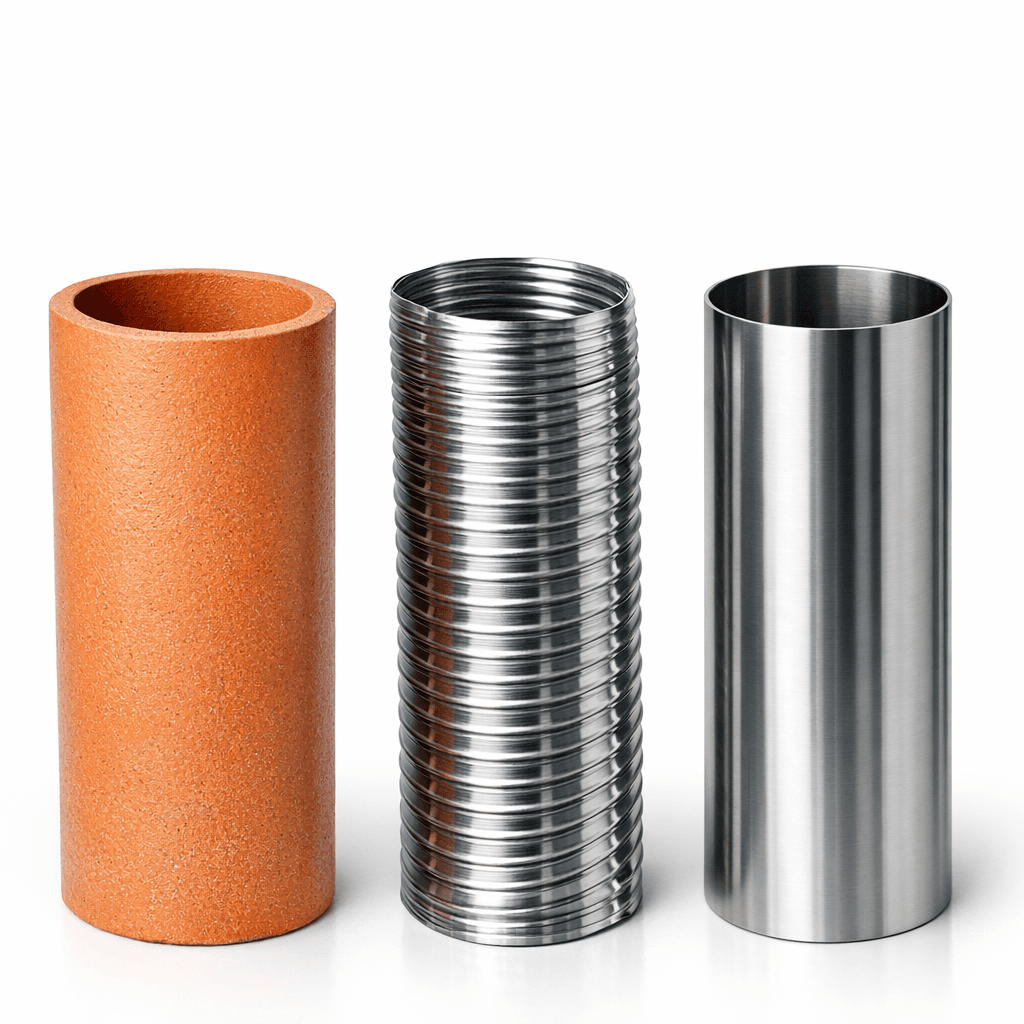
Clay tile liners
Most common in: Traditional masonry chimneys (especially those built before 1990)
- Made of terra-cotta clay tiles stacked vertically inside the chimney
- Rectangular or square cross-section
- Pros: Durable, affordable, good heat resistance
- Cons: Can crack from chimney fires, settling, or thermal shock; difficult to repair
Clay tile liners are standard in many Florida homes with masonry fireplaces. However, cracked tiles compromise safety and may require relining.
Stainless steel liners
Most common in: Chimney relining projects, wood stove/insert installations, gas appliance conversions
- Available as rigid pipes or flexible corrugated tubes
- Can be insulated for improved performance
- Pros: Easy to install, sizes available for any appliance, resists corrosion
- Cons: Higher upfront cost than clay; flexible versions have shorter lifespan
Stainless steel liners are often the solution when an existing liner fails or when converting a fireplace to a wood stove insert.
Cast-in-place liners
Most common in: Restoring deteriorated flues, structural reinforcement
- A cement-like mixture is applied directly to the chimney interior
- Creates a seamless, insulated liner custom-fit to the chimney
- Pros: Strengthens chimney structure, seals gaps and cracks, provides excellent insulation
- Cons: Most expensive option; requires specialized installation
Cast-in-place liners are ideal for older chimneys with significant deterioration that need both a new liner and structural support.
Aluminum liners
Most common in: Gas appliance venting only
- Lightweight and inexpensive
- Not suitable for wood-burning applications (cannot handle high temperatures)
- Used specifically for gas water heaters, furnaces, or gas log sets
Why flue liners matter for safety
An intact flue liner is not optional-it's a critical safety component. Here's why:
Heat protection
Without a liner, heat from combustion gases can transfer directly to surrounding building materials. The National Fire Protection Association (NFPA) notes that unlined chimneys allow heat to reach combustible materials faster, increasing fire risk.
Gas containment
A cracked or missing liner allows carbon monoxide and other combustion gases to leak into walls, attics, or living spaces. CO is odorless and potentially fatal-proper containment is essential.
Corrosion prevention
Combustion creates acidic byproducts (especially with gas appliances) that erode mortar joints over time. A liner protects the chimney structure from this chemical damage.
Draft efficiency
A properly sized, smooth liner provides better draft than rough, oversized masonry. Poor draft leads to smoke spillage, incomplete combustion, and creosote buildup.
Florida consideration: Humidity and seasonal temperature swings can accelerate liner deterioration, especially in chimneys that aren't used regularly. Annual inspection helps catch problems early.
Learn more about safe chimney operation at /services/chimney-cleaning.
Chimney flue maintenance requirements
Proper flue maintenance keeps your system safe and efficient. The NFPA 211 standard recommends:
Annual inspection
Chimneys, fireplaces, and vents should be inspected at least once per year and cleaned or repaired as needed. This applies whether you use your fireplace frequently or occasionally.
Cleaning when needed
Cleaning frequency depends on use patterns and fuel type:
- Wood-burning fireplaces: Clean when creosote accumulates to 1/8 inch or more
- Gas fireplaces: Less debris, but inspection still needed for blockages and component condition
- Occasional use (common in Florida): Still requires annual inspection to check for animal nests, debris, and moisture damage
What a flue inspection includes
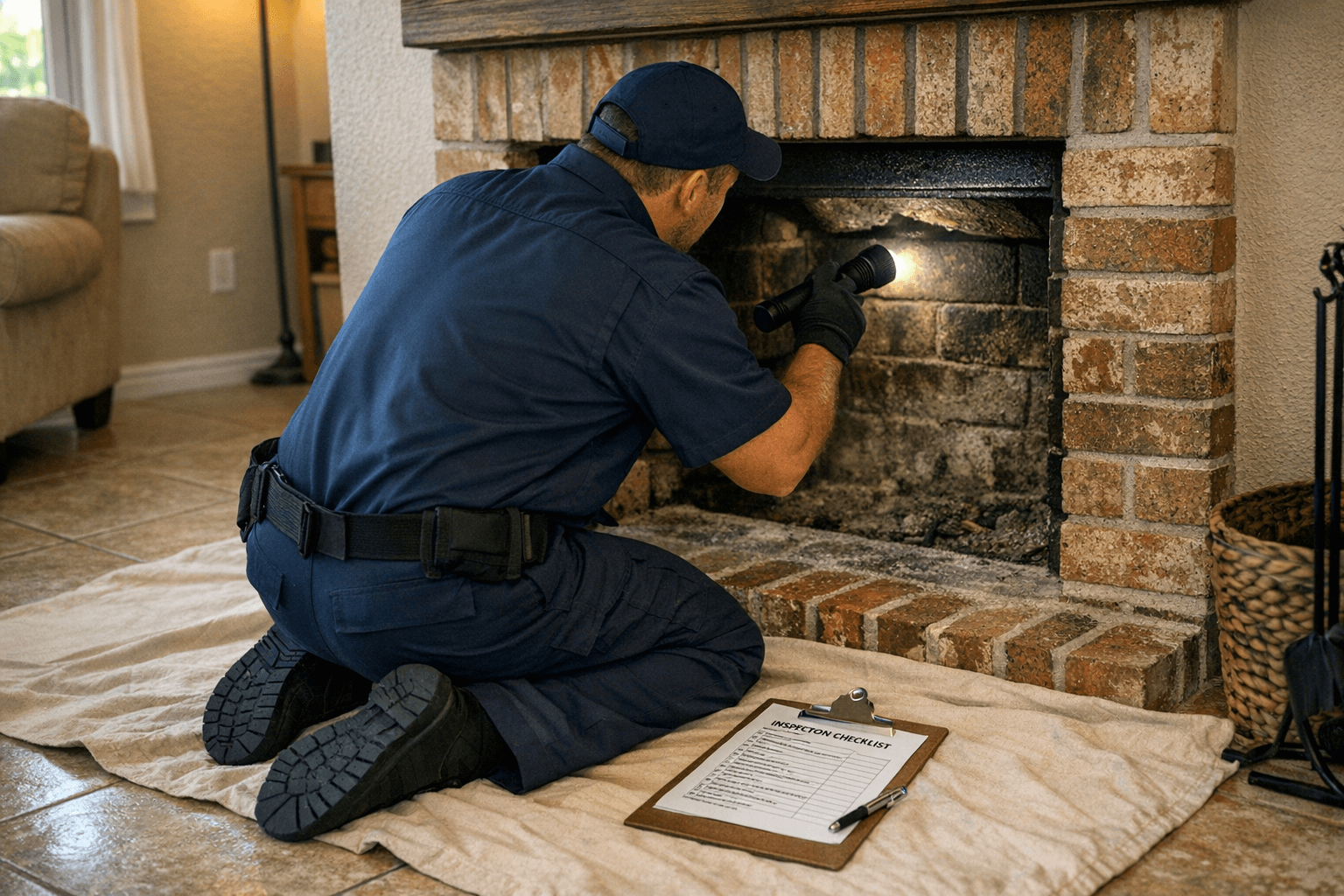
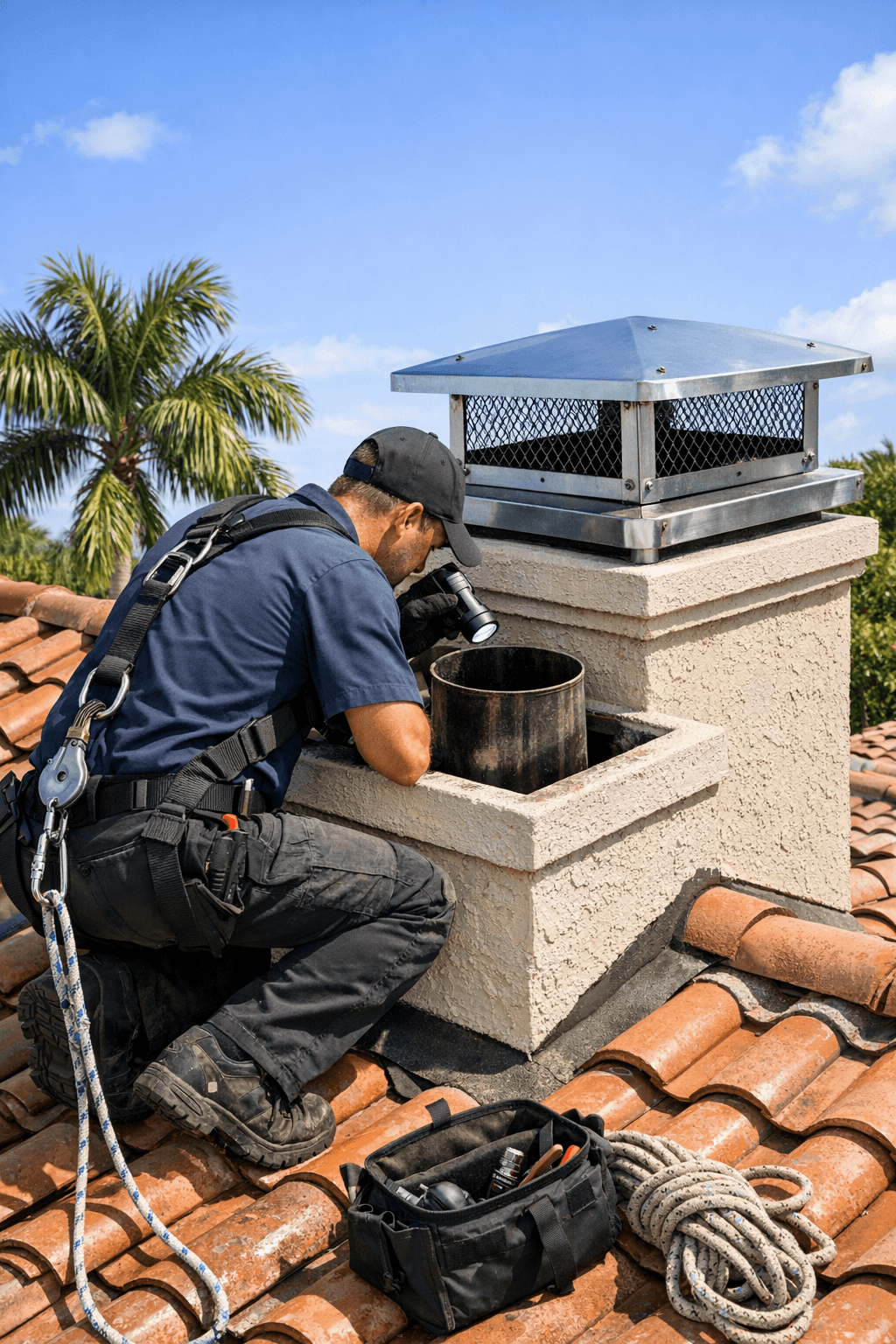
A professional inspection typically covers:
- Liner condition: Cracks, gaps, missing sections, deterioration
- Deposits: Soot, creosote (for wood-burning), rust
- Blockages: Animal nests, leaves, debris
- Structural issues: Mortar joint condition, brick deterioration
- Components: Damper operation, smoke shelf condition, cap/crown integrity
- Water intrusion signs: Staining, rust, efflorescence (white mineral deposits)
For a complete evaluation, consider /services/system-inspections.
Warning signs your flue needs attention
Don't wait for an obvious problem. These warning signs indicate your flue may need professional evaluation:
Smoke in the house
If smoke enters the room when starting a fire or during use, the flue may be obstructed, undersized, or have draft problems.
Strong odors
A smoky or "tar-like" smell-especially during humid weather or when the AC runs-often indicates creosote buildup or moisture issues in the flue.
Visible deterioration
Look up into the firebox with a flashlight. Cracked tiles, missing mortar, or rust-colored staining are warning signs.
White staining on chimney exterior
Called efflorescence, this white mineral deposit indicates moisture is moving through the masonry-often a sign of liner failure or water intrusion.
Debris in the firebox
Chunks of tile, morite, or hardite fragments falling into the fireplace suggest liner deterioration.
Poor draft performance
Fires that struggle to burn cleanly, produce excessive smoke, or require the door/damper wide open may indicate draft restrictions from buildup or damage.
Water dripping into firebox
Indicates cap, crown, or flashing problems that allow rain into the flue-accelerating deterioration.
If you notice any of these signs, schedule an inspection before using the fireplace again. Visit /contact to schedule.
Common chimney flue problems in Florida
Florida's climate creates unique challenges for chimney flues:
Humidity damage
High humidity allows moisture to penetrate porous materials. In a flue, this can:
- Accelerate mortar joint deterioration
- Cause clay tiles to spall (flake) from repeated moisture cycles
- Create conditions for mold growth in the chimney
Infrequent use issues
Many Florida fireplaces are used only a few times per year. Seasonal-only use can lead to:
- Animal nesting: Birds, squirrels, and raccoons may build nests in unused flues
- Debris accumulation: Leaves, twigs, and other materials can block the flue
- Rust formation: Dampers and metal components corrode faster when not operated regularly
Storm and water intrusion
Florida's heavy rains and hurricanes can damage chimney caps, crowns, and flashing. Water entry accelerates every other form of deterioration.
Temperature cycling
While Florida doesn't have severe freeze-thaw cycles, temperature swings between hot days and cool nights (especially in winter) can stress clay tile liners over time.
Salt air exposure (coastal areas)
Homes near the coast face accelerated corrosion from salt-laden air, affecting metal liners, dampers, and caps.
For Florida-specific repair solutions, see /services/chimney-repairs.
When to schedule a flue inspection
Schedule a professional flue inspection when:
- Before using your fireplace after a season of non-use
- After any chimney fire (even a small one)
- Following severe weather (hurricanes, heavy storms)
- If you notice warning signs (smoke, odors, debris, poor draft)
- When buying or selling a home (part of due diligence)
- If you're changing appliances (installing a wood stove insert, converting to gas logs)
- At least once per year regardless of use frequency
Florida homeowners: Even if you rarely use your fireplace, annual inspection protects against animal damage, moisture problems, and component deterioration that happens regardless of use.
Ready to schedule? Contact Pro Air Chimney:
- Call 813-513-7861
- Book online: https://proairchimney.com/contact
View service areas at /service-areas.
FAQ
What is the difference between a chimney and a flue?
The chimney is the entire vertical structure (brick, stone, or metal) that you see from outside. The flue is the enclosed passageway inside the chimney where smoke and gases travel. A single chimney can contain multiple flues.
How do I know if my chimney flue is damaged?
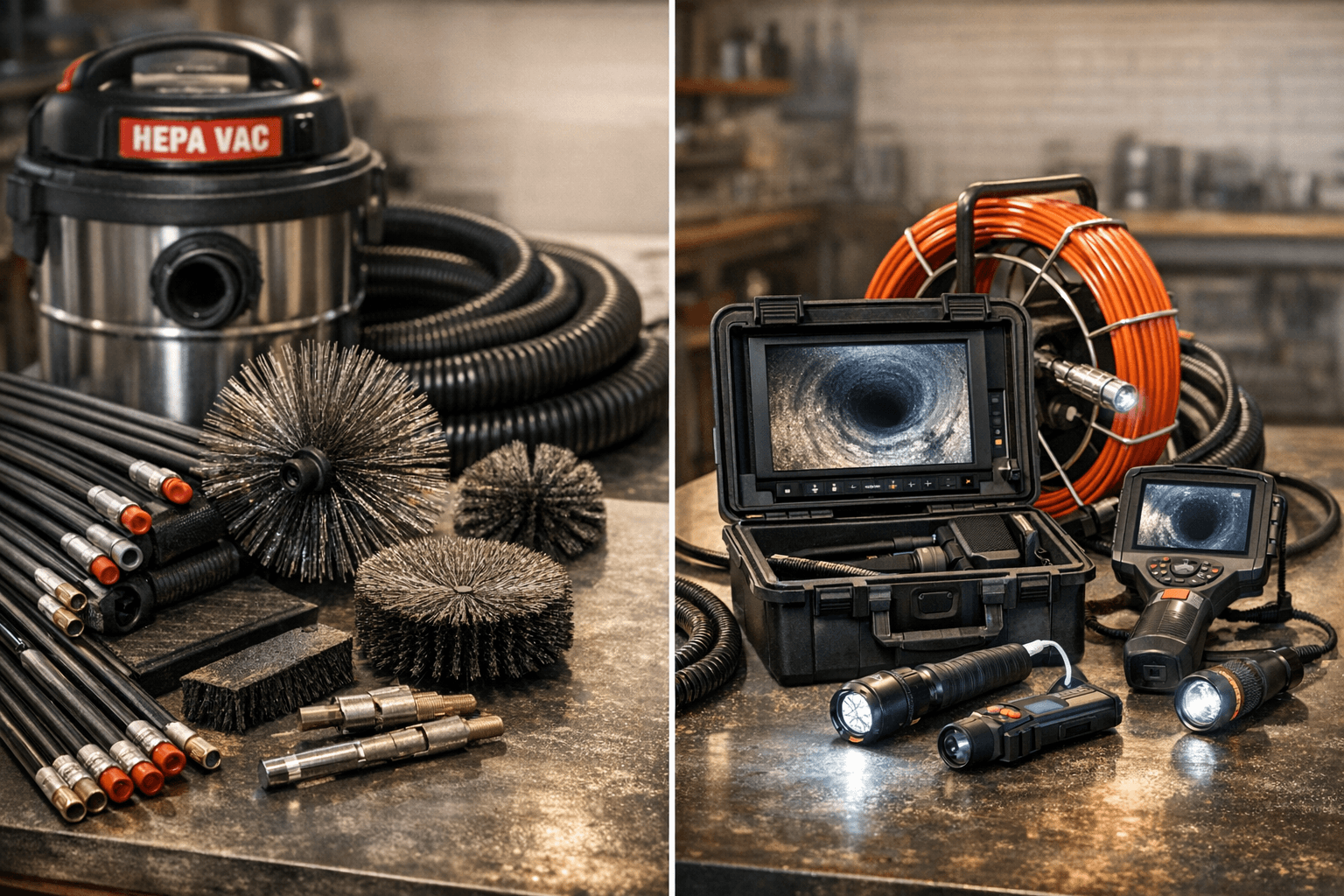
Warning signs include smoke entering the room, strong smoky odors when the fireplace isn't in use, white staining (efflorescence) on the exterior, debris falling into the firebox, and poor draft performance. A professional inspection with camera equipment can identify hidden damage.
What is a flue liner and why is it important?
A flue liner is the protective material covering the interior of the flue. It contains heat and gases, protects the chimney structure from corrosion, and ensures proper draft. Operating without an intact liner increases fire risk and allows carbon monoxide to leak into your home.
How often should a chimney flue be inspected?
The NFPA recommends annual inspection for all chimneys, fireplaces, and vents. In Florida, annual inspection is especially important due to humidity, animal activity, and storm damage-even for chimneys used only occasionally.
Can I inspect the chimney flue myself?
You can do a basic visual check by shining a flashlight up into the firebox, but most flue damage occurs higher up where you can't see. Professional inspections use cameras and specialized equipment to evaluate the entire flue length.
What types of flue liners are available?
The three main types are: clay tile (common in masonry chimneys), stainless steel (popular for relining and appliance installations), and cast-in-place (used for deteriorated chimneys needing structural support). Gas appliances may use aluminum liners.
How much does it cost to reline a chimney flue?
Flue relining costs vary based on liner type, chimney height, and accessibility. Stainless steel liners are generally mid-range, while cast-in-place options cost more. Get a professional evaluation to determine the appropriate solution for your situation.
What causes chimney flue problems in Florida?
Florida's high humidity, heavy rains, occasional storms, and infrequent fireplace use contribute to flue problems. Moisture accelerates deterioration, animals nest in unused flues, and components rust faster in humid conditions.