Fireplace Safety Tips for Florida Homes
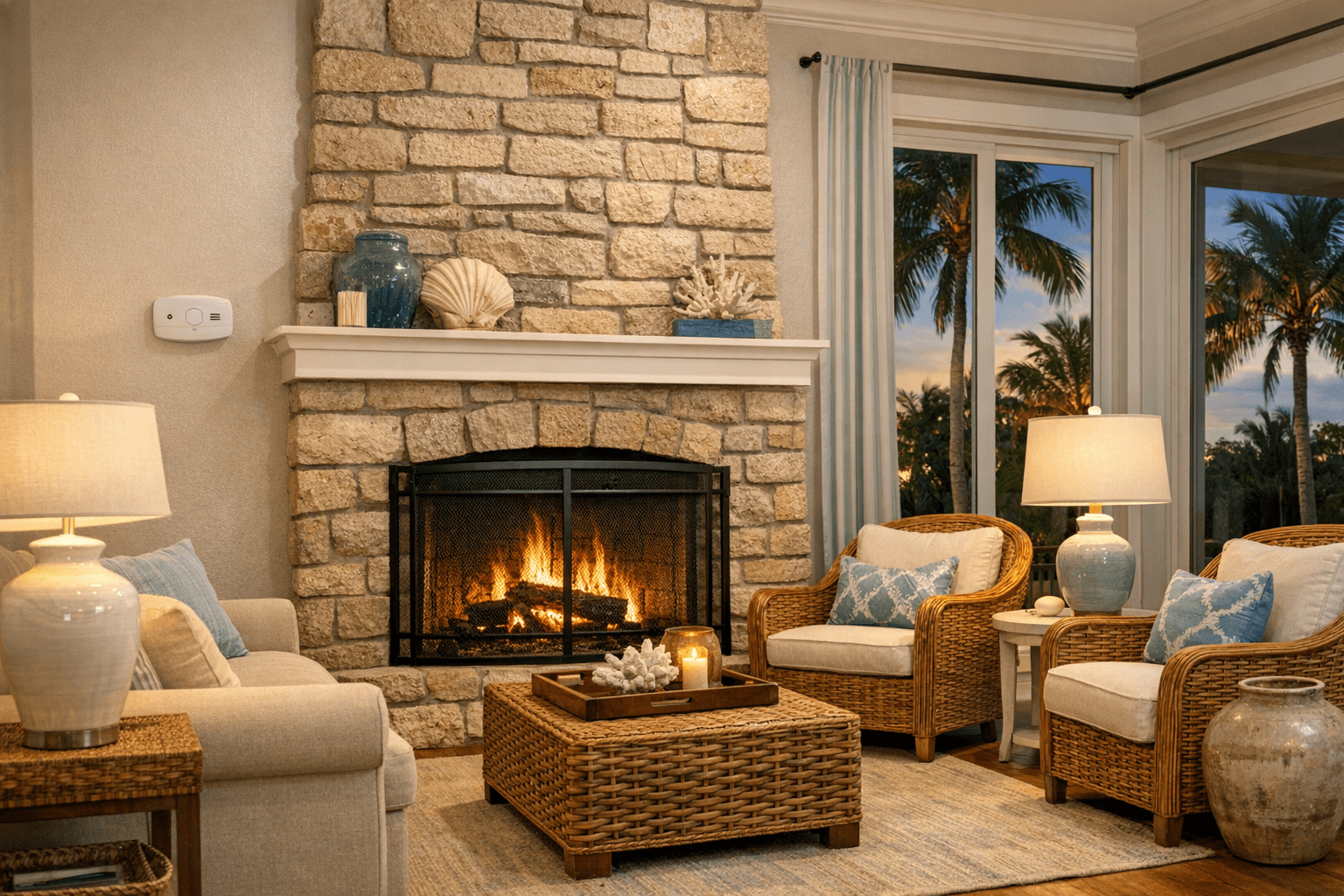
Fireplaces in Florida get used differently than in colder climates. Instead of running daily through winter, most Florida homeowners light fires a few times per year-during cold snaps, holiday gatherings, or for occasional ambiance on cooler evenings.
That occasional use pattern creates specific safety considerations. A chimney that sits idle for months can accumulate wildlife nests, moisture damage, and draft problems that make it unsafe when you finally light a fire. Florida's humidity accelerates these issues.
This guide covers fireplace safety tips for Florida homes, including carbon monoxide prevention, proper ventilation, maintenance for infrequent use, and when to call a professional.
Need a safety inspection before using your fireplace this season? Call Pro Air Chimney at 813-513-7861 or schedule at https://proairchimney.com/contact.
Table of Contents
- Why Florida Fireplaces Need Special Attention
- Carbon Monoxide: The Silent Risk
- Proper Ventilation and Damper Use
- Before-You-Light Safety Checklist
- Wood-Burning Fireplace Safety
- Gas Fireplace Safety
- Maintenance for Infrequent Use
- When to Use Your Fireplace in Florida
- Common Fireplace Safety Mistakes
- FAQ
- Related Services
- Service Areas
- Sources
Why Florida Fireplaces Need Special Attention
Florida's climate creates unique challenges for fireplace safety:
Humidity and moisture damage
Florida's year-round humidity affects chimney systems even when they're not in use. Moisture can:
- Rust dampers and metal components (making them stick or fail to seal properly)
- Deteriorate mortar joints in masonry chimneys
- Promote mold growth inside the flue
- Weaken chimney caps and flashing
Wildlife and nesting
Unused chimneys become attractive nesting spots. In Florida, you may encounter:
- Birds (chimney swifts are protected-removal requires a licensed professional)
- Raccoons and squirrels
- Bats
- Insects and debris accumulation
A blocked flue can cause smoke to back up into the home and create carbon monoxide hazards. (csia.org)
Infrequent use patterns
When a fireplace sits unused for 6-10 months, problems can develop unnoticed:
- Dampers corrode and fail to open properly
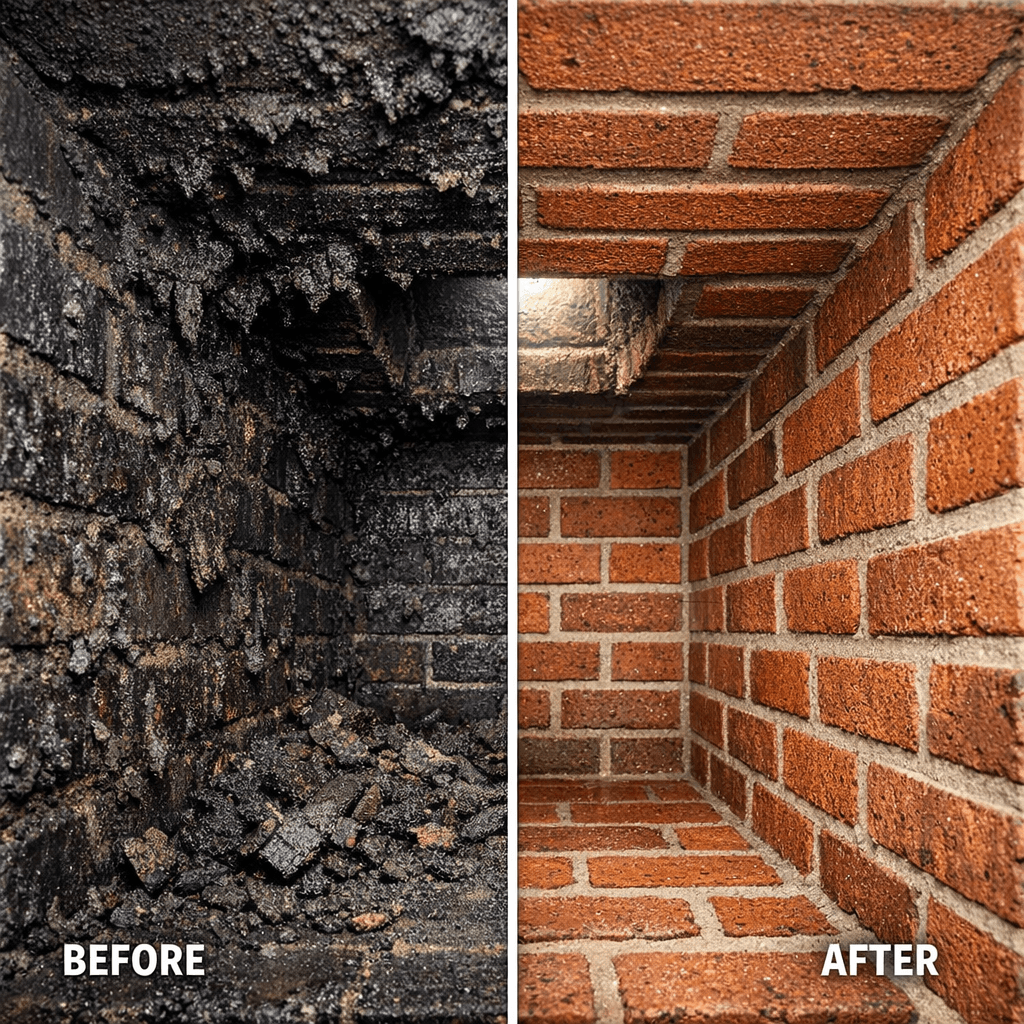
- Creosote from previous seasons hardens
- Flue obstructions go undetected
- Draft performance changes
The CSIA (Chimney Safety Institute of America) recommends annual inspections regardless of use frequency. (csia.org)
Carbon Monoxide: The Silent Risk
Carbon monoxide (CO) is an odorless, colorless gas produced by burning wood, gas, or any carbon-based fuel. It's the single most dangerous risk associated with fireplaces.
Why CO is especially dangerous in Florida homes
Many Florida homes run air conditioning year-round, keeping windows and doors sealed. This tight construction can:
- Create negative pressure that pulls combustion gases back into the home (backdrafting)
- Prevent natural ventilation that would otherwise dilute CO concentrations
- Make it harder to detect problems before they become dangerous
Carbon monoxide prevention essentials
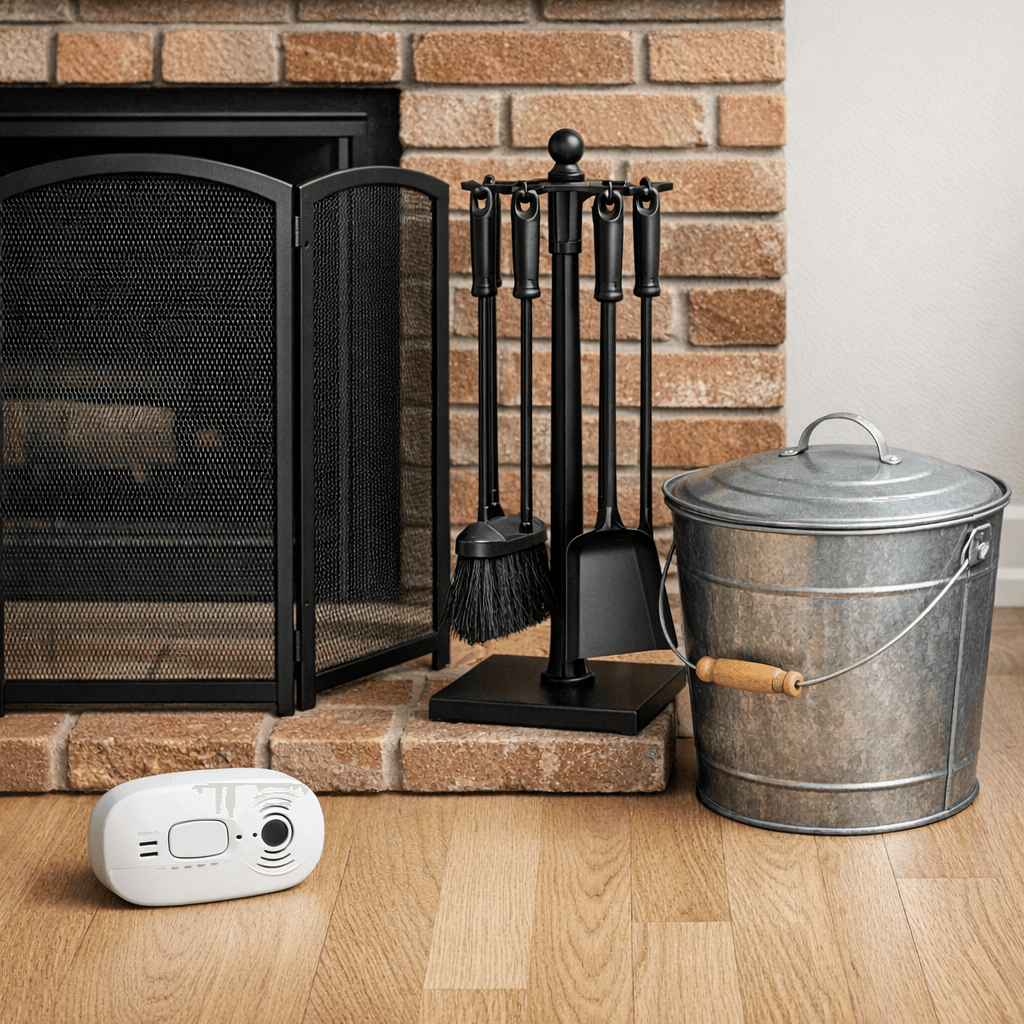
1. Install CO alarms on every level of your home
Place CO alarms:
- Near sleeping areas (within 10 feet of bedroom doors)
- On every level of the home, including the basement
- Away from windows, doors, and HVAC vents
Test monthly and replace batteries annually. Replace the entire unit every 5-7 years per manufacturer guidelines. (epa.gov)
2. Know the symptoms of CO poisoning
Early symptoms mimic the flu (without fever):
- Headache
- Dizziness
- Nausea
- Confusion
- Shortness of breath
If multiple family members develop these symptoms simultaneously-especially while using a fireplace-leave the house immediately and call 911 from outside. (cpsc.gov)
3. Never ignore a CO alarm
If your CO alarm sounds:
- Do NOT try to find the source
- Do NOT open windows and assume it's safe to stay
- Exit immediately and call 911 from outside
- Do NOT re-enter until emergency responders clear the home
During power outages (hurricane season considerations)
Florida homeowners face extended power outages during hurricane season. Critical CO safety rules:
- Never use generators indoors or in garages-even with doors open
- Never use gas grills or camp stoves indoors
- Never use the oven or stovetop to heat your home
- Keep generators at least 20 feet from doors and windows
These rules apply even if you're using your fireplace-other CO sources can create dangerous accumulation. (cdc.gov)
Proper Ventilation and Damper Use
The damper is your primary control for fireplace ventilation. Using it incorrectly is one of the most common causes of smoke and CO problems.
How the damper works
The damper is a metal plate (usually cast iron or steel) inside the chimney that opens to allow smoke out and closes to prevent heat loss when the fireplace isn't in use.
Critical damper rules:
- Open the damper BEFORE lighting any fire
- Keep the damper fully open while the fire burns
- Leave the damper open until all embers are completely cold (this can take 12-24 hours after the last visible flame)
- Verify the damper actually opens-corroded dampers may not move freely
Signs of ventilation problems
Watch for these indicators of poor draft or ventilation issues:
- Smoke entering the room instead of going up the chimney
- Strong, persistent odors from the fireplace (even when not in use)
- Difficulty getting fires to burn well (flames seem lazy or weak)
- Soot stains on the wall or ceiling near the fireplace
- Cold air flowing down from the fireplace
If you experience these symptoms, have the system inspected before further use. Possible causes include flue obstructions, damper damage, or chimney sizing issues.
Ventilation tips for Florida's tight homes
- Crack a window near the fireplace when burning (provides makeup air for proper draft)
- Turn off exhaust fans in kitchens and bathrooms while the fireplace is in use (they compete for air)
- Avoid running the HVAC system's air handler fan at high speed during fireplace use (can create negative pressure)
Before-You-Light Safety Checklist
Use this checklist every time you plan to use your fireplace:
Pre-season checklist (first use of the season)
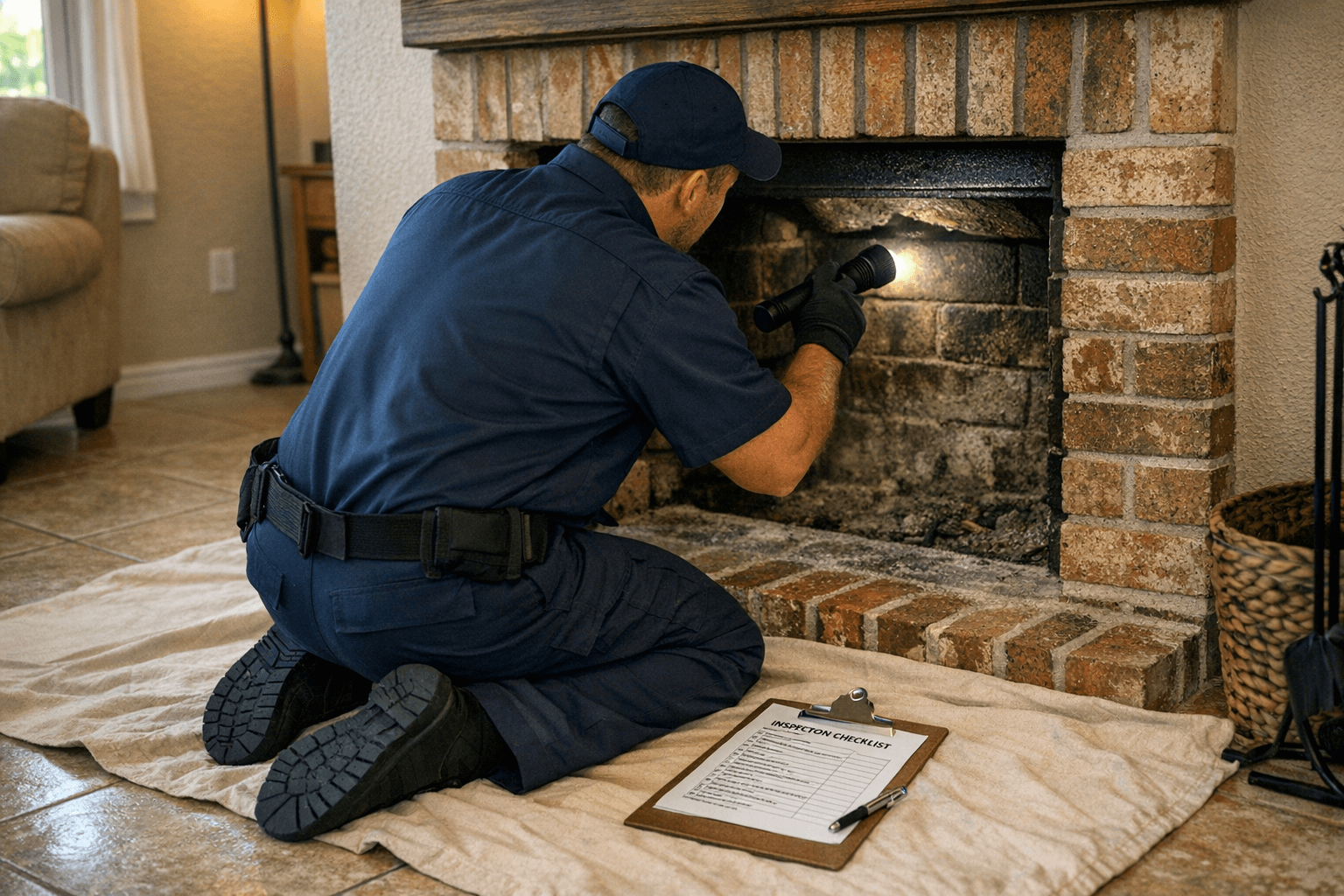
- Schedule a professional chimney inspection and cleaning
- Test all CO alarms (press test button)
- Replace CO alarm batteries if older than 1 year
- Visually inspect the firebox for debris, animal droppings, or nesting material
- Check that the damper opens and closes freely
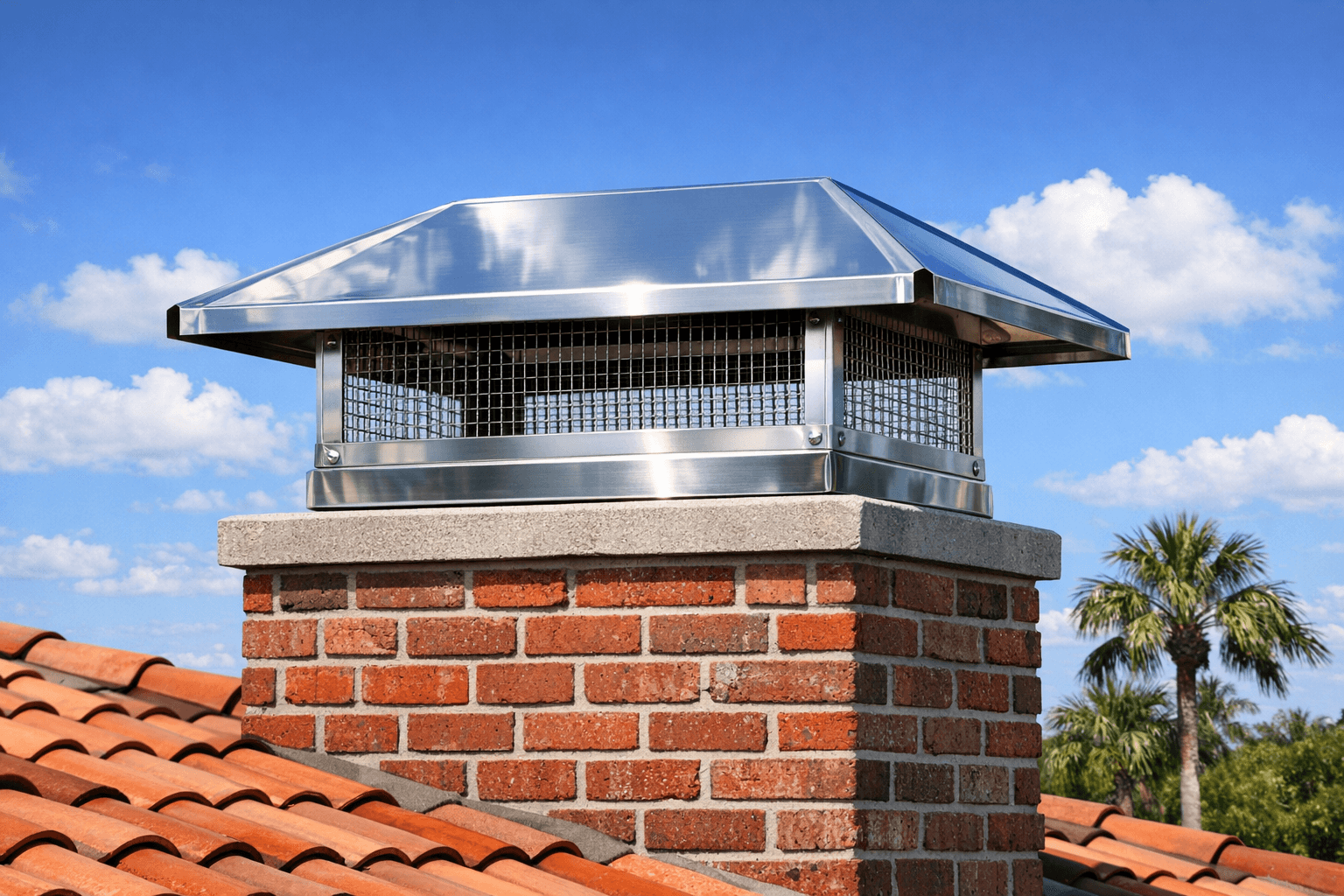
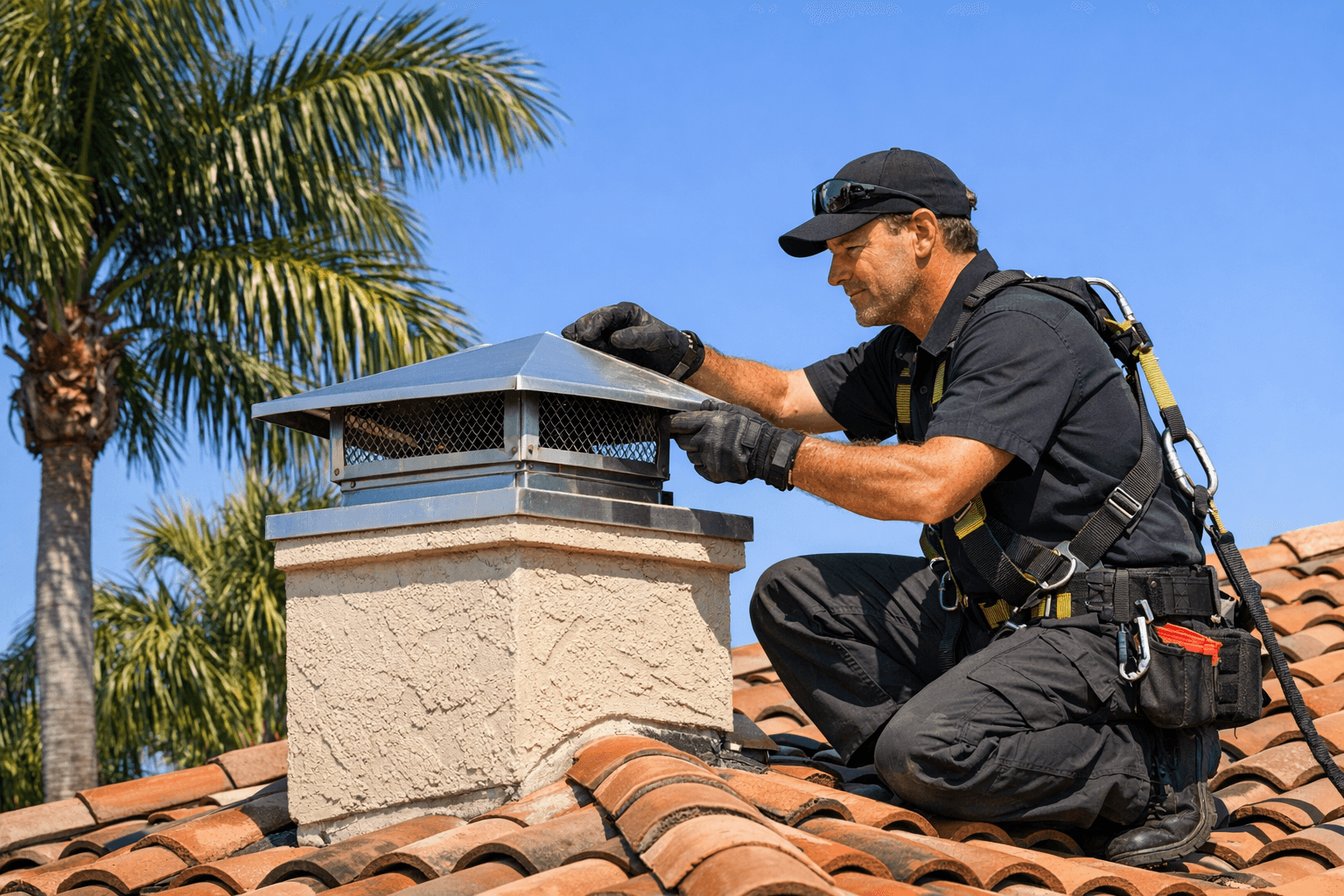
- Verify the chimney cap is in place (prevents animals and rain)
- Clear combustibles at least 3 feet from the fireplace opening
Every-use checklist
- CO alarms working (test button)
- Damper fully open (verify visually or by feel)
- Fireplace screen or glass doors in place
- Combustibles cleared 3+ feet from opening
- Fire extinguisher accessible (rated for Class A fires)
- Someone will remain awake while the fire burns
- Window cracked for makeup air (if home is tightly sealed)
After-use checklist
- Fire completely extinguished (no visible flames or glowing embers)
- Wait 12-24 hours before closing damper (embers can reignite)
- Dispose of ashes in a metal container with a lid
- Store ash container outside, away from the house for at least 3 days
Wood-Burning Fireplace Safety
Wood-burning fireplaces require more attention than gas units because they produce creosote (a combustible residue) and more ash.
Fire safety essentials
Use a fireplace screen or glass doors
Sparks and embers can pop out of an open fireplace and ignite nearby combustibles. A screen or glass doors prevent this. (cpsc.gov)
Never use accelerants
- Never use gasoline, lighter fluid, or charcoal starter
- Never burn charcoal in a fireplace (produces excessive CO)
- Use newspaper, kindling, and fire starters designed for fireplaces
Burn the right wood
- Use seasoned hardwood (dried at least 6 months)
- Avoid green (fresh-cut) wood-it smokes excessively and builds creosote faster
- Never burn treated wood, painted wood, plywood, or particle board
- Never burn household trash, cardboard, or plastic
Monitor creosote buildup
Creosote is the primary cause of chimney fires. CSIA recommends cleaning when deposits reach 1/8 inch or sooner if glazed. (csia.org)
Learn more about creosote at /resources/what-is-creosote.
Ash disposal (common cause of house fires)
Hot embers can remain in ash for days after a fire appears extinguished. Improper ash disposal causes thousands of house fires annually.
Safe ash disposal:
- Wait at least 24 hours after the last fire
- Scoop ashes into a metal container with a tight-fitting lid
- Add a small amount of water to the container
- Store the container outside, away from the house and deck for at least 3 days
- Never use plastic containers, cardboard boxes, or paper bags for ash
Gas Fireplace Safety
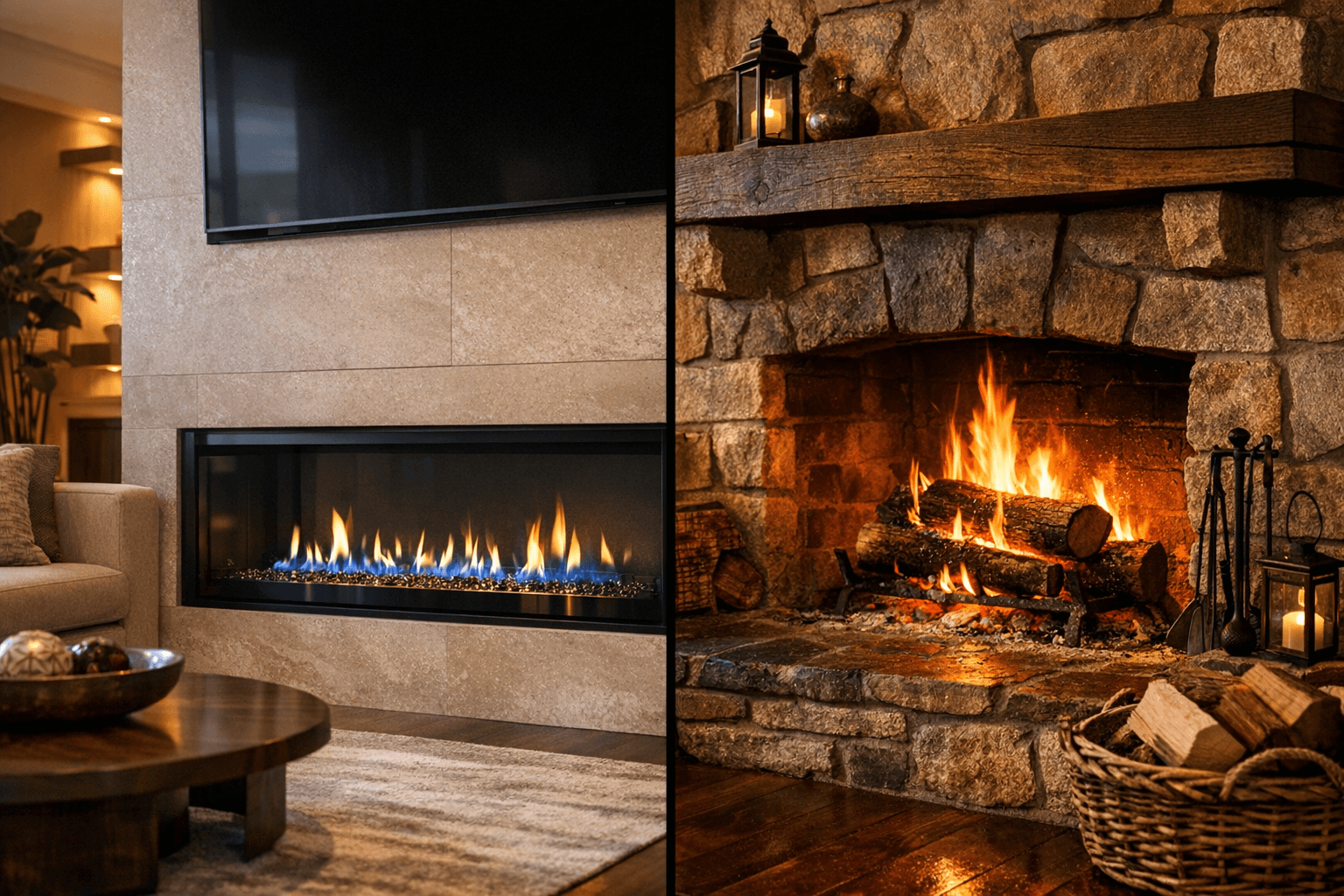
Gas fireplaces are popular in Florida because they're convenient and cleaner than wood. However, they still require safety precautions.
Types of gas fireplaces
Vented gas fireplaces
- Vent combustion gases through a chimney or direct-vent pipe
- Require proper flue/damper operation (similar to wood fireplaces)
- Need annual inspection of venting components
Vent-free (ventless) gas fireplaces
- Release combustion gases into the room
- Higher CO risk-require adequate room size and ventilation
- Banned or restricted in some jurisdictions
- Should have an oxygen depletion sensor (ODS) that shuts off gas if oxygen levels drop
Gas fireplace safety rules
Annual professional inspection
Even though gas is "cleaner," the venting system can still deteriorate, become blocked, or develop leaks. EPA recommends annual inspection of all fuel-burning appliances. (epa.gov)
Know the warning signs of problems
Stop using the fireplace and call a professional if you notice:
- Smell of gas (rotten egg odor from the odorant)
- Soot accumulation around the unit
- Yellow or orange flames (should be blue)
- Pilot light that won't stay lit
- Headaches, dizziness, or nausea when the fireplace is running
Damper rules for vented gas fireplaces
- Vented gas logs in a traditional fireplace: Keep damper fully open when in use
- Direct-vent gas inserts: Damper should be sealed or removed (the insert has its own venting system)
- Vent-free units: No damper needed, but ensure adequate room ventilation
Maintenance for Infrequent Use
Florida's occasional-use pattern means fireplaces often sit idle for 6-10 months. This creates specific maintenance needs.
Annual inspection (even with minimal use)
NFPA 211 (the national fire code referenced by CSIA) calls for annual inspection of chimneys, fireplaces, and vents-regardless of how often you use them. (csia.org)
Why it matters for low-use fireplaces:
- Animals can nest in idle chimneys (creating blockages and fire hazards)
- Humidity causes rust, mortar deterioration, and cap damage
- You won't know there's a problem until you try to use the fireplace
Pre-season inspection timing
Schedule your inspection before you need the fireplace:
- October-November in Florida (before the first cold snap)
- Chimney professionals are less busy in early fall than during cold weather
- Gives time to address any repairs before the holidays
Between-season care
Keep the damper closed when not in use (prevents conditioned air loss and animal entry-but only if the chimney cap is in place).
Install or maintain a chimney cap to prevent:
- Rain and moisture entry
- Animal intrusion
- Debris accumulation
Watch for exterior damage such as:
- Cracked or missing chimney cap
- Deteriorating mortar joints
- Leaning or shifting chimney structure
- Rust stains on surrounding roof or siding
Schedule professional service for any of these issues. Learn more at /services/chimney-cleaning.
When to Use Your Fireplace in Florida
Florida's climate means fireplace use is situational rather than routine.
Appropriate times for fireplace use
Cold snaps and winter fronts
- When temperatures drop below 50°F (especially at night)
- After cold fronts pass through
- During the occasional freeze warnings
Holiday gatherings
- Thanksgiving through New Year's
- For ambiance during cooler evening events
Power outages (with caution)
- A wood-burning fireplace can provide heat during extended outages
- Never use a gas fireplace if you smell gas or suspect a gas leak
- Maintain CO awareness even during emergencies
When NOT to use your fireplace
Avoid using the fireplace when:
- It hasn't been inspected in over a year
- You see animal activity or nesting material
- The damper won't open properly
- There's visible damage to the firebox or chimney
- You smell strong odors (mold, creosote, or animal waste)
- After a major storm (until inspected for damage)
- When outdoor temperature is above 70°F (poor draft conditions)
Florida-specific draft considerations
Warm air outside makes it harder for chimneys to draft properly. If it's mild outside:
- The fire may smoke more
- You may need to crack a window for makeup air
- Keep fires smaller and hotter (rather than large and smoldering)
Common Fireplace Safety Mistakes
Avoid these frequent errors that Florida homeowners make:
1. Skipping annual inspections
"I only use it twice a year" doesn't eliminate the need for inspection. Animals, moisture, and deterioration happen whether you use the fireplace or not.
2. Closing the damper too soon
Embers can smolder for 12-24 hours. Closing the damper while embers remain hot traps CO and heat, potentially causing a house fire or CO poisoning.
3. Burning inappropriate materials
Paper plates, wrapping paper, cardboard, and trash burn hot and erratically, creating sparks and excessive creosote. Stick to seasoned firewood.
4. Leaving fires unattended
Never go to sleep or leave the house with a fire burning. Designate someone to monitor the fire until it's completely out.
5. Placing combustibles too close
Keep furniture, curtains, decorations, and Christmas trees at least 3 feet from the fireplace opening.
6. Ignoring CO alarms
CO alarms are not "false alarm" devices. If it sounds, evacuate and call 911.
7. Using the fireplace without confirming the damper is open
Test it every time. Corroded dampers may feel open but actually be stuck partially closed.
FAQ
How often should I have my chimney inspected in Florida?
At least once per year, regardless of how often you use the fireplace. NFPA 211 and CSIA recommend annual inspections for soundness, deposits, and obstructions.
Do I need chimney cleaning if I only use my fireplace a few times a year?
You need an annual inspection. Cleaning is performed as needed based on what the inspection finds. Even minimal use can produce enough creosote to warrant cleaning, and unused chimneys can develop blockages.
Can I use my gas fireplace during a power outage?
It depends on the model. Some gas fireplaces have battery backup ignition or a millivolt system that works without electricity. Check your owner's manual. Never use any fireplace if you smell gas.
What temperature should it be outside to use my fireplace in Florida?
Below 50-55°F is generally ideal for proper draft. Warmer outdoor temperatures reduce the temperature differential that drives draft, which can cause smoke to enter the room.
How do I know if my damper is stuck?
Look up into the firebox with a flashlight. You should see sky or a visible opening when the damper is open. If you can't see through, or the damper handle won't move freely, have it inspected before use.
Is it safe to use a vent-free gas fireplace in Florida?
Vent-free units are legal in most of Florida but carry higher CO risk. They must be installed in adequately sized rooms and should have an oxygen depletion sensor. Keep a CO alarm in the same room.
What should I do if smoke comes into the room when I start a fire?
- Confirm the damper is fully open
- Open a nearby window to provide makeup air
- Make sure the chimney cap isn't blocked
- If smoke continues, extinguish the fire and have the system inspected
How long after a fire can I close the damper?
Wait at least 12-24 hours after the last visible flame. Embers can continue to produce CO and potentially reignite if airflow is cut off too soon.
Related Services
Service Areas
Get Your Fireplace Ready for the Season
Don't wait until the first cold night to discover your fireplace has problems. Schedule an inspection now and have peace of mind when you need it.
Call Pro Air Chimney at 813-513-7861 or visit https://proairchimney.com/contact to schedule your fireplace safety inspection.