Chimney Sweep vs Chimney Inspection: What's the Difference?
Many Florida homeowners use "chimney sweep" and "chimney inspection" interchangeably, but they're two distinct services with different purposes, costs, and outcomes.
A chimney sweep removes soot, creosote, and debris from your flue. A chimney inspection evaluates the structural soundness, safety, and condition of your entire chimney system.
Understanding the difference helps you schedule the right service, avoid overpaying, and keep your home safe.
Need clarity on which service you need? Call Pro Air Chimney at 813-513-7861 or schedule at https://proairchimney.com/contact.
Table of Contents
- Quick comparison: sweep vs inspection
- What is a chimney sweep?
- What is a chimney inspection?
- NFPA inspection levels explained (Level 1, 2, 3)
- Cost comparison
- When do you need a sweep vs inspection?
- Florida-specific considerations
- Can you get both at once?
- Common mistakes to avoid
- FAQ
- Sources
Quick Comparison: Chimney Sweep vs Chimney Inspection
| Factor | Chimney Sweep | Chimney Inspection |
|---|---|---|
| Primary purpose | Remove deposits (soot, creosote, debris) | Evaluate safety and condition |
| What happens | Brushing and cleaning the flue | Visual/camera examination of components |
| Typical cost | $130-$380 | $100-$1,000+ (depends on level) |
| How often needed | When deposits accumulate | At least annually (NFPA 211 guidance) |
| Who performs it | Chimney sweep technician | Certified inspector (often CSIA) |
| Outcome | Clean flue, reduced fire risk | Written report, repair recommendations |
What Is a Chimney Sweep?
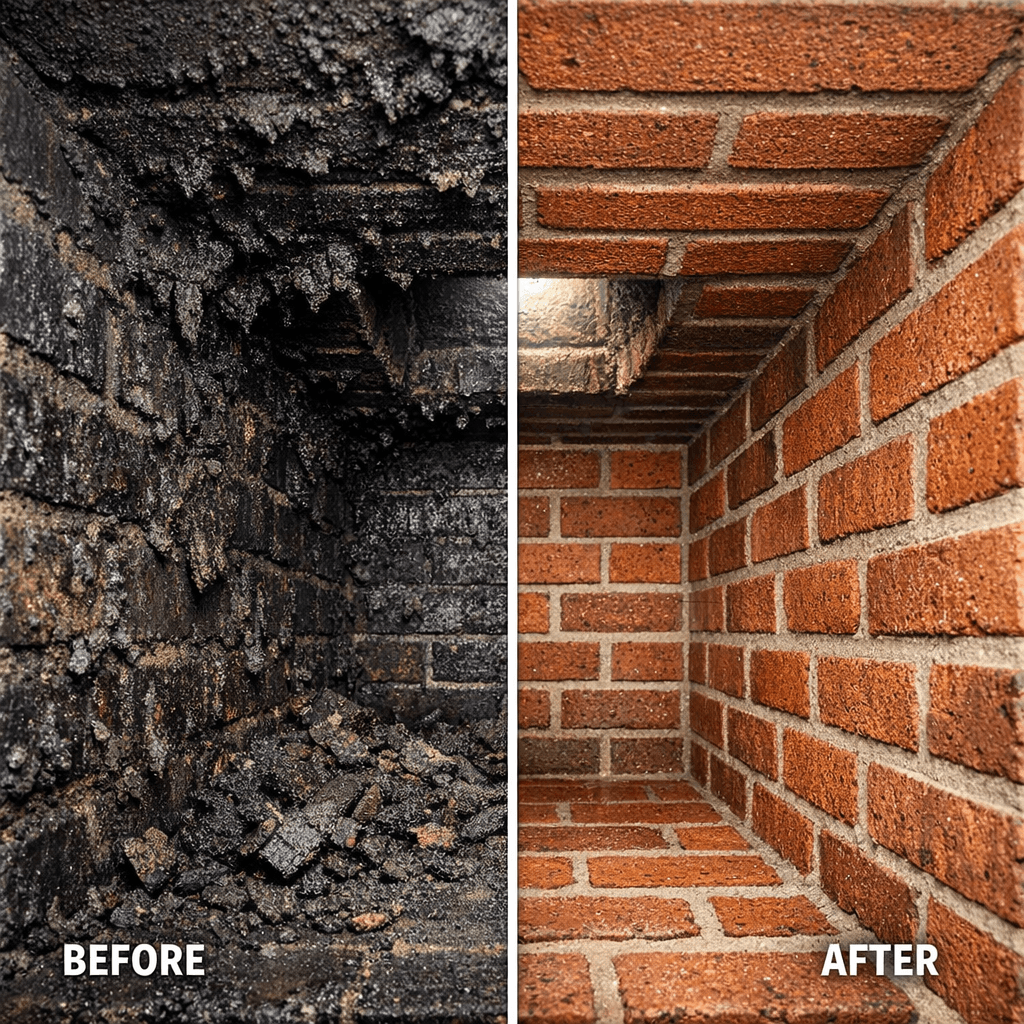
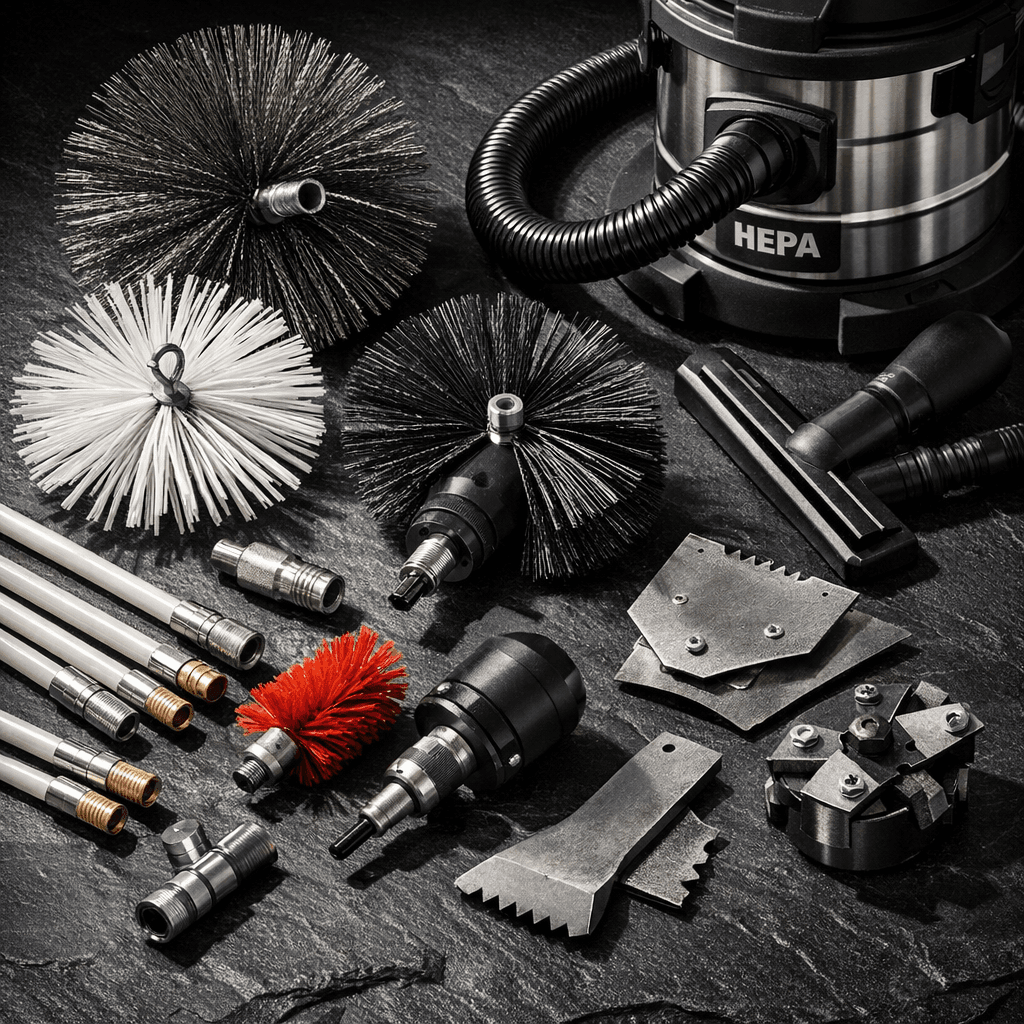
A chimney sweep (also called chimney cleaning) is the physical removal of soot, creosote, and debris from your chimney flue and firebox area.
What a sweep includes:
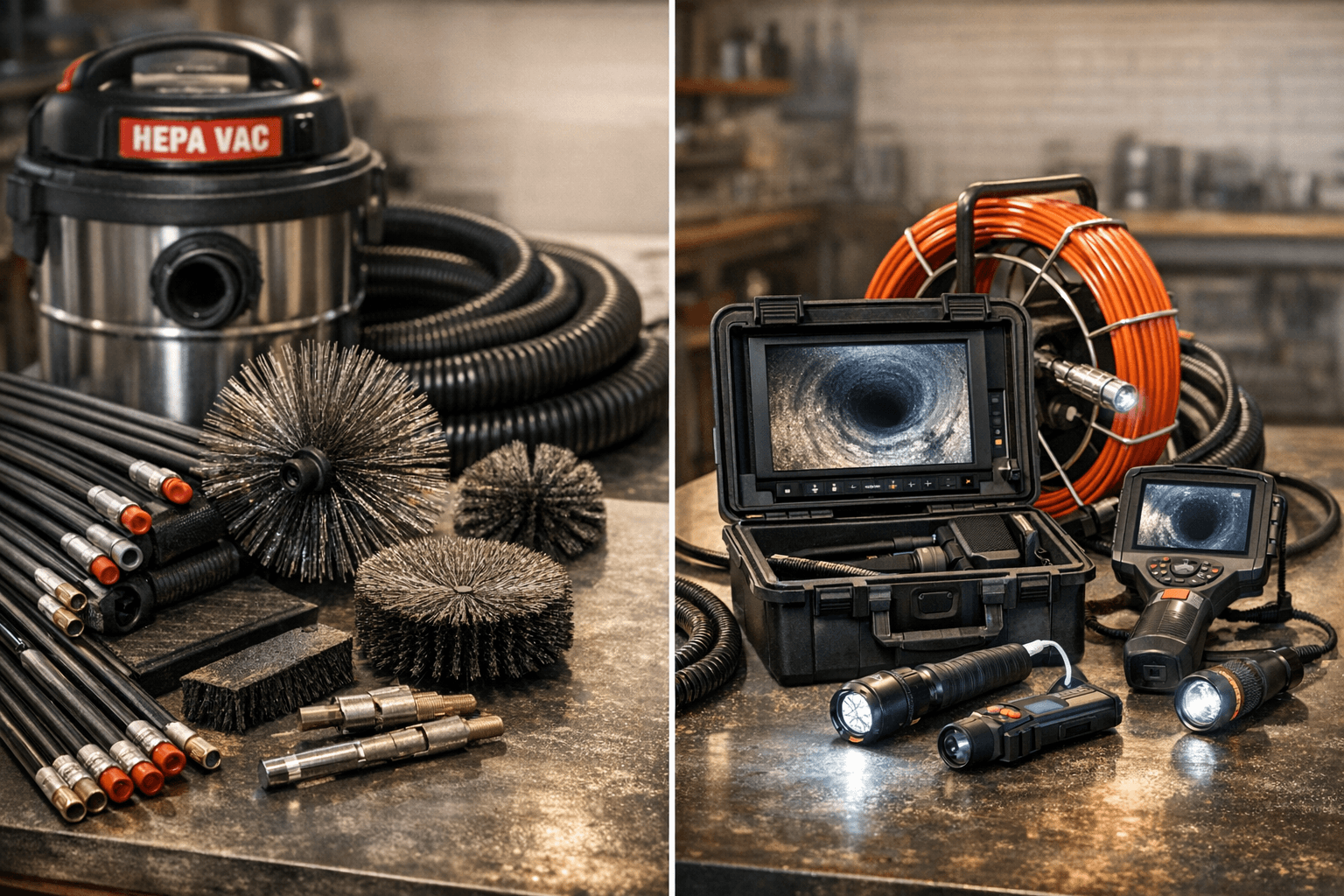
- Flue brushing with appropriately sized brushes for your liner type
- Creosote removal (the tar-like byproduct of burning wood)
- Soot cleanup from the smoke chamber and firebox
- Debris removal (fallen mortar, nesting materials, leaves)
- Basic obstruction check during the cleaning process
Why sweeping matters:
Creosote is combustible. The more it builds up, the higher your chimney fire risk. The Chimney Safety Institute of America (CSIA) recommends sweeping masonry fireplaces when soot reaches approximately 1/8 inch thickness, or sooner if glazed (Stage 3) creosote is present.
A sweep focuses on cleaning-not diagnosing structural problems, liner cracks, or hidden damage. That's where inspection comes in.
For professional chimney cleaning in Florida, see /services/chimney-cleaning.
What Is a Chimney Inspection?
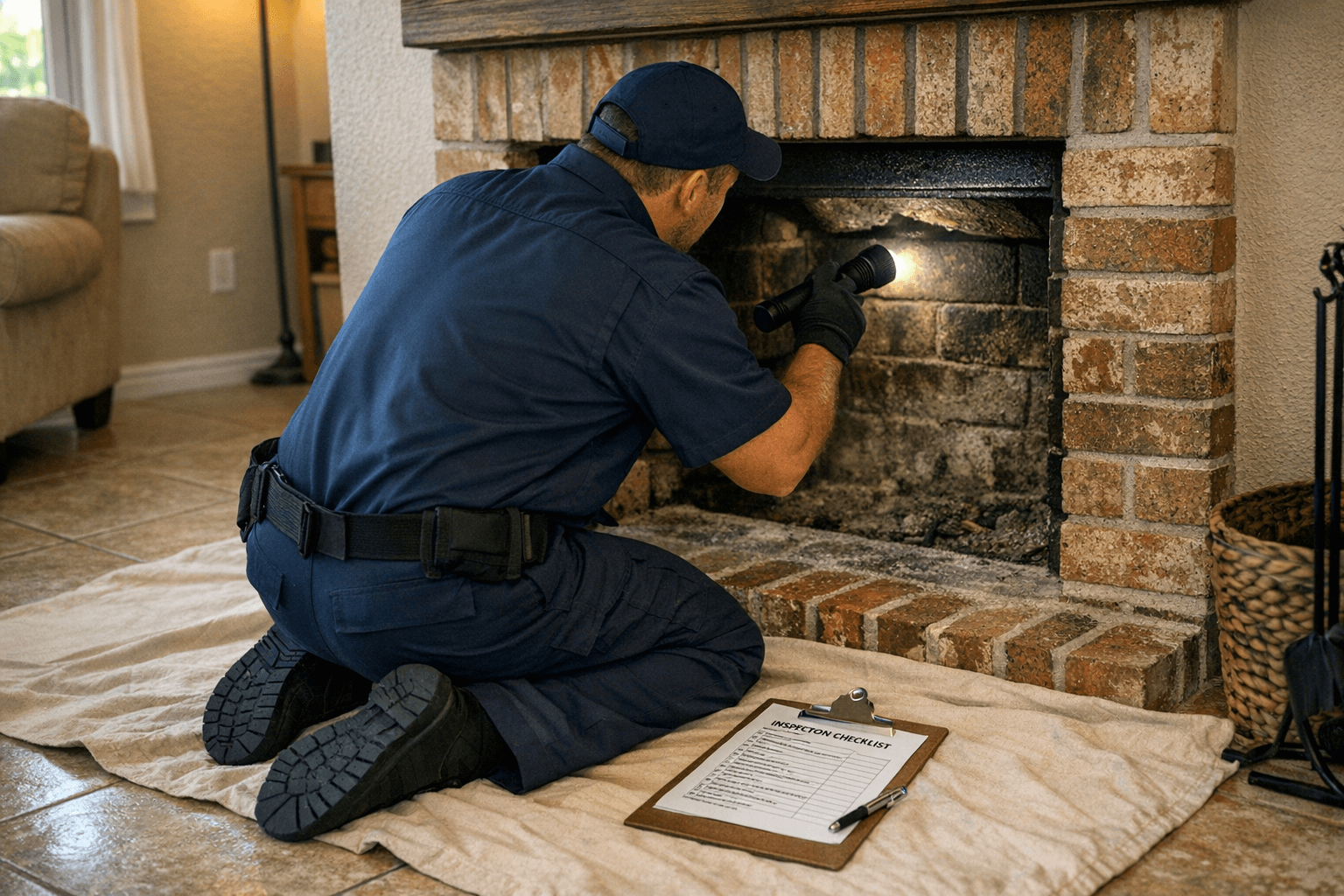
A chimney inspection is a structured safety evaluation of your entire chimney system-from the firebox to the crown, including the flue liner, damper, smoke chamber, and exterior masonry.
What an inspection evaluates:
- Structural soundness (cracks, gaps, deterioration)
- Deposit levels (how much creosote/soot is present)
- Clearances (proper distance from combustibles)
- Venting safety (draft issues, blockages)
- Component condition (cap, crown, flashing, damper)
- Liner integrity (clay tile, stainless steel, or cast-in-place)
Why inspection matters:
An inspection tells you whether cleaning or repairs are needed. It identifies problems that a sweep alone won't catch-like hairline cracks in the liner, water intrusion, or damage from a previous chimney fire.
NFPA 211 (the national standard referenced by CSIA) states that chimneys, fireplaces, and vents should be inspected at least once a year, with cleaning, maintenance, and repairs performed as necessary.
For comprehensive system evaluations in Florida, see /services/system-inspections.
NFPA Inspection Levels Explained (Level 1, 2, 3)
Not all chimney inspections are the same. NFPA 211 defines three inspection levels, each appropriate for different situations.
Level 1 Inspection (Routine Annual)
When you need it:
- Regularly used fireplace or stove
- No changes to the system
- No known problems or concerns
What it includes:
- Visual inspection of readily accessible portions
- Checking the firebox, damper, smoke chamber entry, and visible flue
- Exterior chimney review from ground level
- No special tools or camera required
Typical cost: $100-$300
This is your standard annual checkup-appropriate when everything is working normally and nothing has changed.
Level 2 Inspection (After Changes or Events)
When you need it:
- Buying or selling a home (real estate transactions)
- After a chimney fire, earthquake, or major storm
- After modifying the system (new appliance, relining, fuel change)
- Malfunction or operational problem suspected
- After a hurricane or event likely to cause damage
What it includes:
- Everything in Level 1
- Inspection of accessible attic, crawlspace, and roofline areas
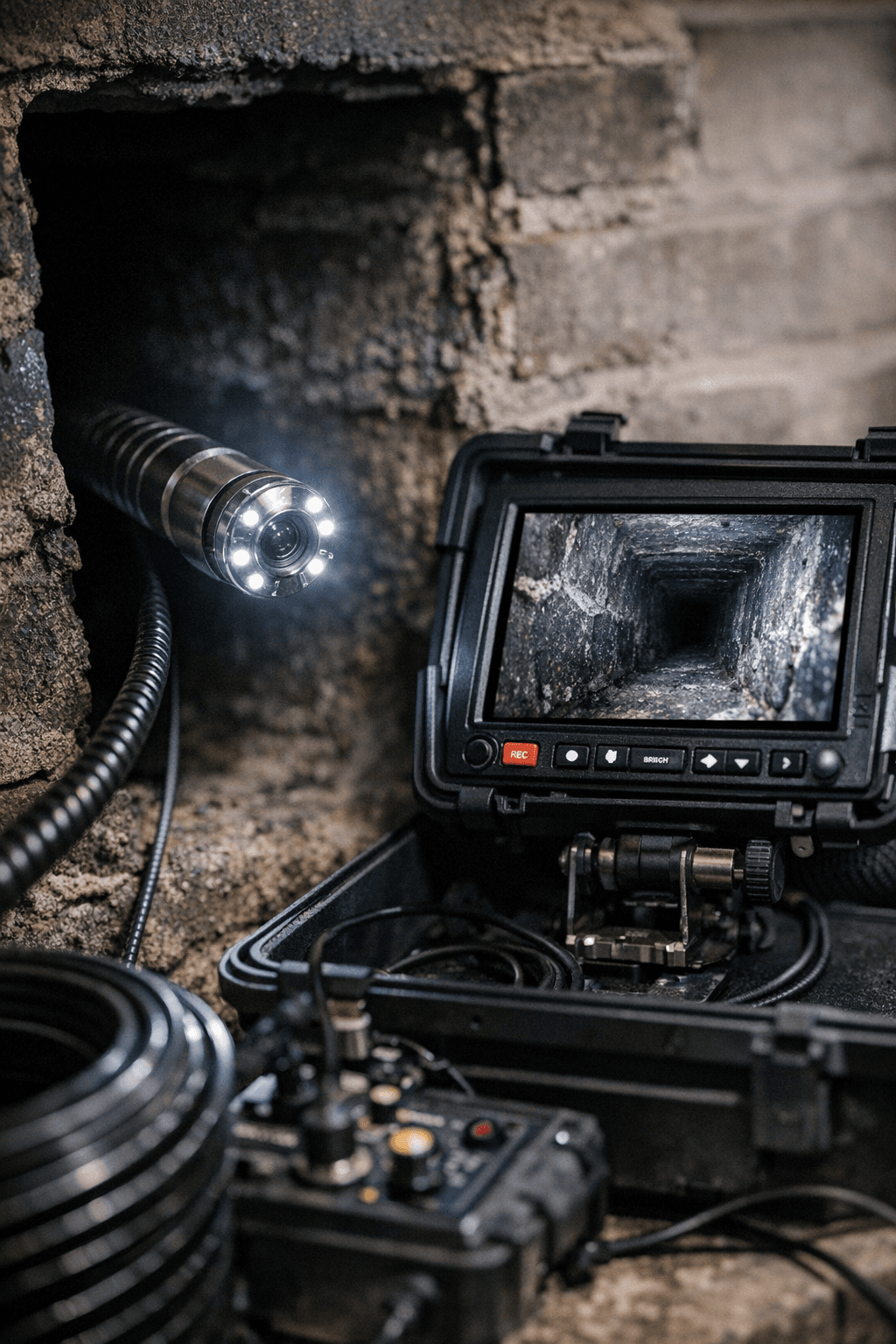
- Video camera scan of internal flue surfaces and joints
- Evaluation without opening walls or removing components
Typical cost: $200-$500+ (camera inspection adds cost)
Level 2 is required during home sales in many jurisdictions and after any event that could have damaged the chimney.
Level 3 Inspection (Suspected Hidden Hazards)
When you need it:
- Serious hazard suspected that Level 1/2 cannot confirm
- Hidden damage must be accessed to determine condition
- Investigation following a confirmed chimney fire
What it includes:
- Everything in Level 1 and Level 2
- Invasive access (may require removing parts of walls, chimney structure, or building finish)
- Only performed when necessary to reach suspected problem areas
Typical cost: $500-$5,000+ (varies based on scope of access required)
Level 3 is rare and only performed when the situation demands destructive investigation.
Cost Comparison: Sweep vs Inspection
Chimney Sweep Costs (2025-2026)
| Service | Typical Cost Range |
|---|---|
| Standard chimney sweep (single flue) | $130-$380 |
| Heavy creosote removal | $200-$450 |
| Multi-flue sweep | $250-$500+ |
Chimney Inspection Costs (2025-2026)
| Inspection Level | Typical Cost Range |
|---|---|
| Level 1 (routine annual) | $100-$300 |
| Level 2 (with video camera) | $200-$500+ |
| Level 3 (invasive access) | $500-$5,000+ |
Common Bundled Pricing
Many companies offer "inspection + sweep" packages, especially for routine maintenance:
| Bundle | Typical Cost Range |
|---|---|
| Level 1 inspection + sweep | $200-$350 |
| Level 2 inspection + sweep | $300-$550 |
What Affects Pricing?
- Roof height and pitch (steep roofs require more setup time)
- Number of flues (each flue is essentially another job)
- Creosote severity (glazed deposits take longer to remove)
- Access difficulty (tile roofs, limited tie-off points)
- Geographic location (Florida pricing vs. national averages)
- Inspection level (camera scans add significant cost)
When Do You Need a Sweep vs Inspection?
You need a chimney sweep when:
- Creosote buildup reaches 1/8 inch or more
- You see black, flaky debris in the firebox
- There's a smoky odor when the fireplace isn't in use
- You've burned wood frequently this season
- The inspector recommends cleaning based on deposit levels
You need a chimney inspection when:
- It's been a year since your last inspection (NFPA 211 annual guidance)
- You're buying or selling a home
- You changed appliances, fuel type, or liner
- You had a chimney fire, storm, earthquake, or hurricane
- You notice smoke spillage, poor draft, or unusual odors
- You're using the fireplace after a long period of disuse
The simple rule:
Inspection = diagnostic. It tells you what's wrong and what needs cleaning/repair.
Sweep = treatment. It removes deposits once the inspection identifies the need.
Most professionals recommend at least an annual inspection, with cleaning performed as needed based on what the inspection finds.
Florida-Specific Considerations
Florida's climate creates unique chimney maintenance challenges-even for homeowners who rarely use their fireplace.
Humidity and moisture
Florida's high humidity accelerates rust on dampers, caps, and metal components. It can also cause masonry deterioration and efflorescence (white staining on exterior brick).
Intermittent use patterns
Many Florida fireplaces are used only a few times per year-during cold snaps, holidays, or for ambiance. This doesn't eliminate maintenance needs:
- Cool, short fires actually produce more creosote per burn (smoke cools before fully exiting)
- Unused chimneys attract nesting wildlife (birds, squirrels, raccoons)
- Moisture intrusion goes unnoticed without regular inspection
Hurricane and storm damage
Florida's storm season can damage chimney caps, crowns, flashing, and masonry. CSIA states that a Level 2 inspection is required after external events likely to cause damage-including hurricanes, tropical storms, and high winds.
Less use doesn't mean less maintenance
The CSIA FAQ specifically addresses this: even if you don't use your fireplace regularly, annual inspection is still recommended to check for obstructions, moisture damage, and wildlife intrusion.
Can You Get Both at Once?
Yes-and many homeowners do. The most common approach is:
- Schedule an inspection first (typically Level 1 for routine checks)
- Sweep if needed based on what the inspection finds
- Upgrade to Level 2 if changes, events, or problems are discovered
Many chimney companies offer bundled packages that include a Level 1 inspection with a standard sweep. This is often the most cost-effective approach for annual maintenance.
What to ask when booking:
- "What inspection level is included?"
- "What triggers a Level 2 camera inspection?"
- "Is the sweep included, or priced separately?"
- "What conditions would add to the quoted price?"
For service in Florida, contact /services/chimney-cleaning or call 813-513-7861.
Common Mistakes to Avoid
Mistake 1: Booking a sweep without an inspection
A sweep removes deposits-but it doesn't evaluate liner cracks, water damage, or structural problems. Without an inspection, you might clean a chimney that's unsafe to use.
Mistake 2: Skipping annual inspections because you rarely use the fireplace
Low use doesn't eliminate animal intrusion, moisture damage, or component deterioration. Annual inspection is still recommended per NFPA 211.
Mistake 3: Assuming all inspections are the same
There's a significant difference between a quick "visual check" and a proper Level 1 or Level 2 inspection. Confirm which level you're getting in writing.
Mistake 4: Falling for $49 or $99 "chimney cleaning specials"
Ultra-low advertised prices often lead to high-pressure upsells once the crew arrives. A legitimate inspection + sweep in Florida typically runs $200-$350.
Mistake 5: Not getting a Level 2 during a home purchase
If you're buying a home, a Level 2 inspection with video camera scan is the standard. Level 1 may miss hidden damage that affects your decision.
FAQ
What's the difference between a chimney sweep and chimney inspection?
A chimney sweep is cleaning-removing soot, creosote, and debris from the flue. A chimney inspection is an evaluation-checking the structural soundness, safety, and condition of the entire system. Inspection determines whether cleaning (or repairs) are needed.
How much does a chimney sweep cost vs. an inspection?
A standard chimney sweep typically costs $130-$380. Chimney inspections range from $100-$300 for Level 1, $200-$500+ for Level 2 (with camera), and $500-$5,000+ for Level 3 (invasive). Many companies bundle inspection + sweep for $200-$350.
How often do I need a chimney sweep vs. inspection?
NFPA 211 recommends chimneys be inspected at least annually. Sweeping is performed as needed based on creosote buildup-typically when deposits reach 1/8 inch or more, or sooner for glazed creosote.
What is a Level 2 chimney inspection?
A Level 2 inspection includes everything in Level 1 plus a video camera scan of the flue interior and examination of accessible areas like attics and crawlspaces. It's required during home sales, after chimney fires, system changes, or storm events.
Do I need a chimney inspection if I never use my fireplace?
Yes. CSIA and NFPA 211 still recommend annual inspection even for unused chimneys. Animal nests, moisture damage, and component deterioration can occur regardless of use.
Can a chimney sweep find problems with my chimney?
A sweep technician may notice obvious issues during cleaning, but a proper inspection is needed to evaluate structural soundness, liner integrity, and hidden problems. Sweeping and inspection serve different purposes.
Should I get a Level 1 or Level 2 inspection?
Level 1 is appropriate for routine annual checks with no changes or problems. Level 2 is required when buying/selling a home, after system changes, after chimney fires, or after storm events.