Chimney Inspection Levels Explained: Level 1, 2, and 3
Understanding chimney inspection levels can save you money and keep your home safe. The National Fire Protection Association (NFPA) 211 standard defines three inspection levels, each with specific requirements and purposes. (nfpa.org)
Whether you're buying a home, had storm damage, or just want to maintain your fireplace safely, knowing which inspection level you need helps you get the right service at a fair price. Call Pro Air Chimney at 813-513-7861 for a certified chimney inspection.
Table of Contents
- What Are Chimney Inspection Levels?
- Level 1 Chimney Inspection
- Level 2 Chimney Inspection
- Level 3 Chimney Inspection
- Inspection Level Comparison Table
- Video Inspection Requirements
- Chimney Inspection Costs
- Florida Chimney Inspection Requirements
- When Each Inspection Level Is Required
- How to Choose the Right Inspection Level
- FAQ
- Related Services
- Service Areas
- Final CTA
What Are Chimney Inspection Levels?
NFPA 211, the standard for chimneys, fireplaces, vents, and solid fuel-burning appliances, establishes three distinct inspection levels. Each level builds upon the previous one, with increasing thoroughness and scope. (chimneyinspectors.com)
The Chimney Safety Institute of America (CSIA) and certified chimney sweeps follow these NFPA guidelines to ensure consistent, professional inspections. The level you need depends on your situation: routine maintenance, home sale, system changes, or suspected hidden damage.
Key principle: Higher inspection levels include everything from lower levels plus additional access and evaluation methods.
Level 1 Chimney Inspection
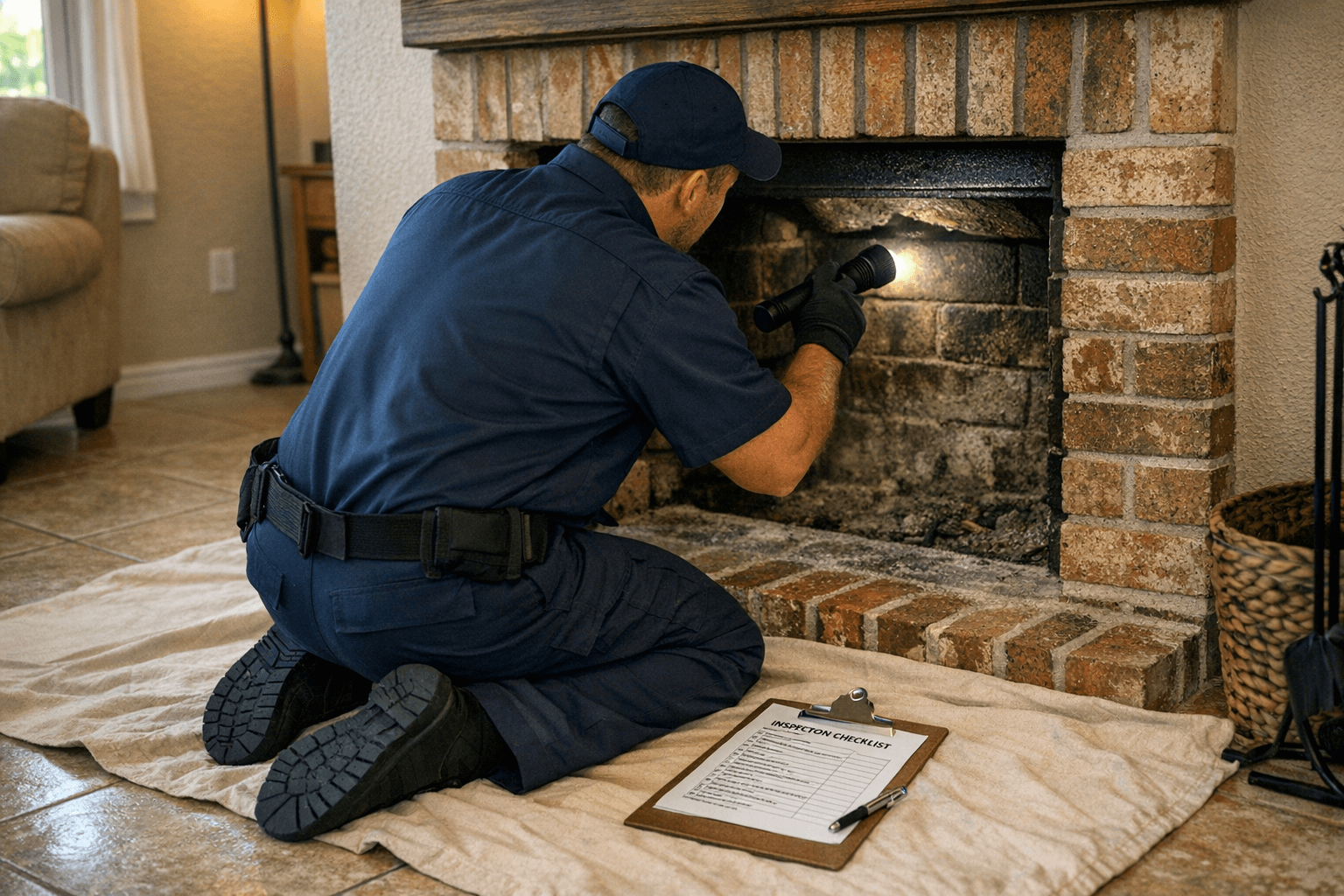
A Level 1 inspection is the baseline annual inspection for chimneys that have been operating normally without any changes or problems.
What Level 1 Includes
- Visual examination of readily accessible portions of the chimney
- Checking the firebox, damper, and smoke chamber
- Examining visible exterior chimney structure
- Verifying the chimney is structurally sound
- Checking for obstructions and combustible deposits
- Confirming proper clearances from combustibles (where visible)
- Basic operational assessment
What Level 1 Does NOT Include
- Video camera inspection of the flue interior
- Accessing attic, crawlspace, or other enclosed areas
- Removing any parts of the chimney or building
- Going onto steep or inaccessible roof sections
When Level 1 Is Appropriate
A Level 1 inspection is the right choice when:
- You've been using your chimney system normally throughout the year
- No changes have been made to the system (fuel type, appliance, liner)
- No events have occurred that could damage the chimney (storms, earthquakes, fires)
- You just want the standard annual inspection recommended by CSIA (csia.org)
Cost range: $100-$300 in Florida, often bundled with cleaning services.
Level 2 Chimney Inspection
A Level 2 inspection is more comprehensive and required whenever changes have been made to the system or when conditions warrant deeper investigation.
What Level 2 Includes
Everything from Level 1, plus:
- Inspection of accessible areas like attics, basements, and crawlspaces
- Examination of all accessible portions of the chimney exterior and interior
- Verification of proper clearances to combustibles in accessible areas
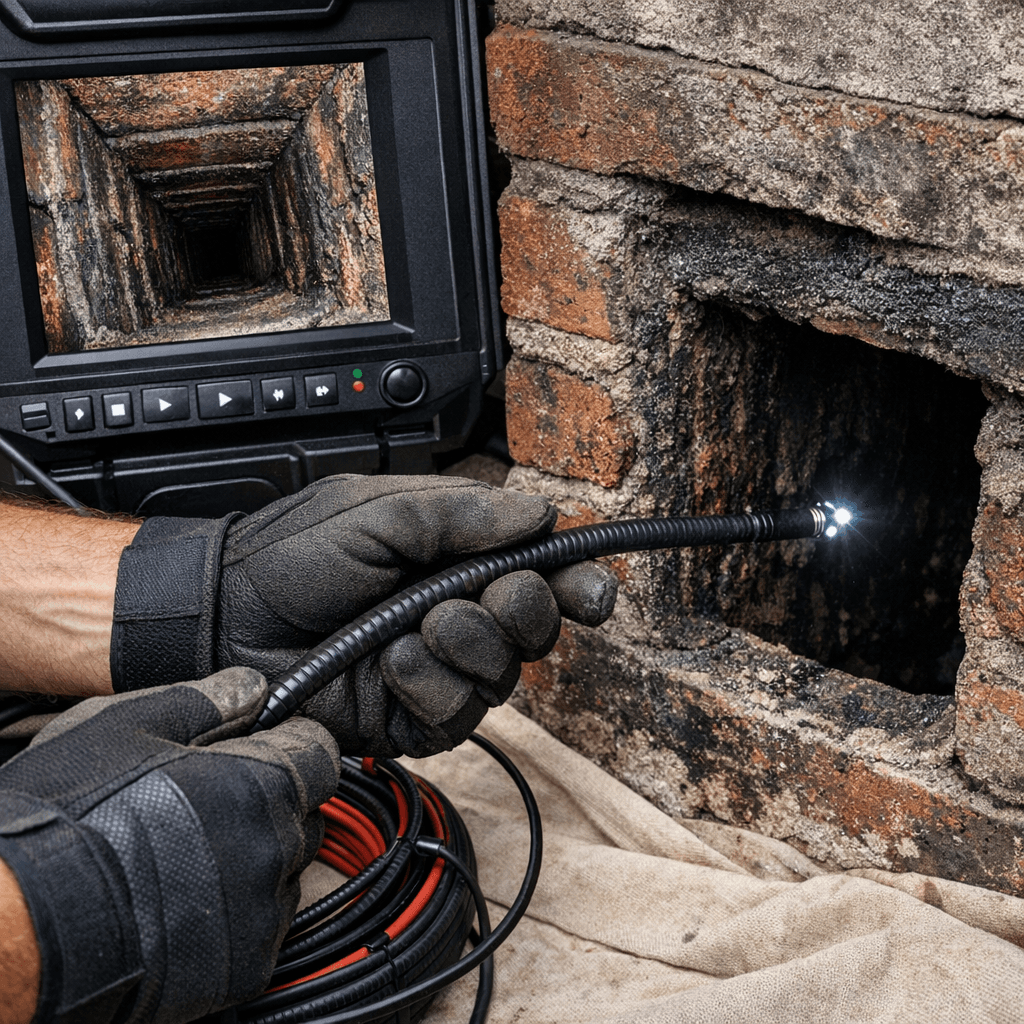
- Video camera scan of the flue interior (critical component)
- Assessment of flue sizing for connected appliances
- Documentation of accessible structural components
- Checking the condition of the chimney liner via camera
What Level 2 Does NOT Include
- Removal of any permanently attached portions of the building or chimney
- Opening walls, ceilings, or chase covers
- Destructive or invasive investigation
When Level 2 Is Required
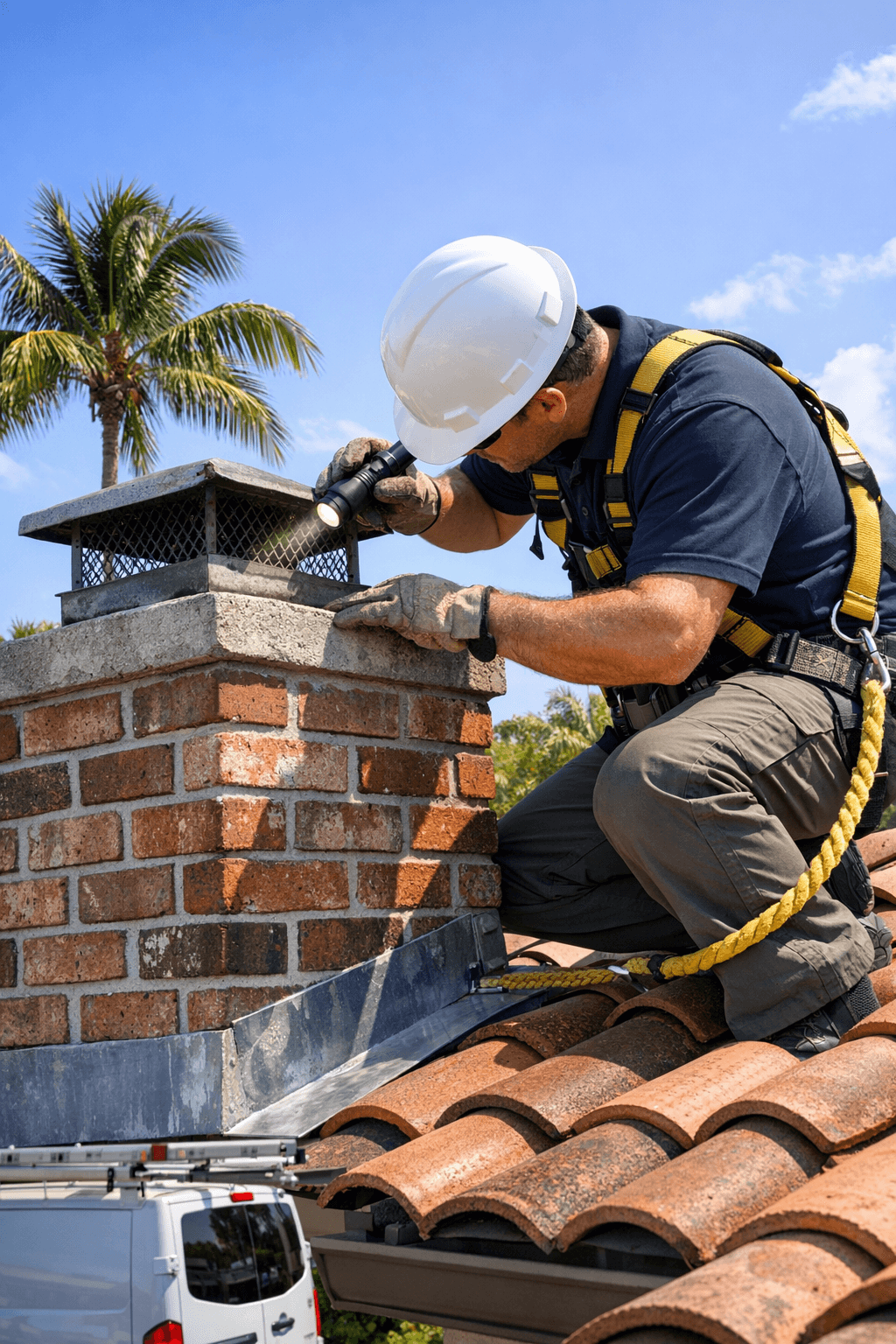
NFPA 211 and CSIA specify Level 2 inspections for these situations: (firesidesweeps.com)
- Home sale or transfer (buying or selling property)
- Fuel type change (switching from wood to gas, or vice versa)
- Appliance change (new fireplace insert, stove, or water heater connected)
- Relining the chimney
- After a chimney fire or building fire
- After a malfunction or operational problem
- After external events likely to cause damage (hurricanes, lightning, earthquakes, tornadoes)
- Before using an unused chimney that's been dormant for extended periods
Cost range: $200-$700 in Florida, depending on access and number of flues.
Level 3 Chimney Inspection
A Level 3 inspection is the most invasive and is only performed when Levels 1 or 2 reveal conditions that suggest a serious hidden hazard requiring investigation.
What Level 3 Includes
Everything from Levels 1 and 2, plus:
- Removal of certain components to gain access to concealed areas
- May require removing parts of the chimney crown, cap, or walls
- Accessing chimney chase interiors
- Examining hidden structural elements
- Removing building materials to evaluate damage extent
When Level 3 Is Required
Level 3 inspections are warranted when: (chimneyinspectors.com)
- A Level 1 or 2 inspection indicates a suspected hidden hazard
- Serious structural concerns exist that cannot be verified without invasive access
- Fire damage may have spread to concealed areas
- The extent of deterioration or defects cannot be determined otherwise
Cost range: $500-$5,000+ in Florida, depending on scope of demolition and rebuilding required.
Inspection Level Comparison Table
| Feature | Level 1 | Level 2 | Level 3 |
|---|---|---|---|
| Visual inspection of accessible areas | Yes | Yes | Yes |
| Firebox and damper check | Yes | Yes | Yes |
| Attic/crawlspace/basement inspection | No | Yes | Yes |
| Video camera scan of flue | No | Yes | Yes |
| Verification of clearances | Visible only | Accessible areas | All areas |
| Invasive/destructive access | No | No | Yes |
| Removal of building components | No | No | As needed |
| Typical cost (Florida) | $100-$300 | $200-$700 | $500-$5,000+ |
| Common trigger | Annual maintenance | Home sale, changes, events | Suspected hidden hazard |
| Video documentation provided | Sometimes | Usually | Yes |
Video Inspection Requirements
Video camera inspection is a defining requirement of Level 2 inspections. The camera scan allows technicians to examine the entire flue interior for cracks, deterioration, gaps, creosote buildup, and liner damage that cannot be seen from the top or bottom. (chimneyinspectors.com)
What Video Inspection Reveals
- Cracked or deteriorating flue tiles
- Missing mortar joints between liner sections
- Creosote buildup patterns and thickness
- Obstructions (nests, debris, collapsed materials)
- Corrosion in metal liners
- Gap formations in older masonry systems
- Evidence of moisture intrusion
Video Inspection Technology
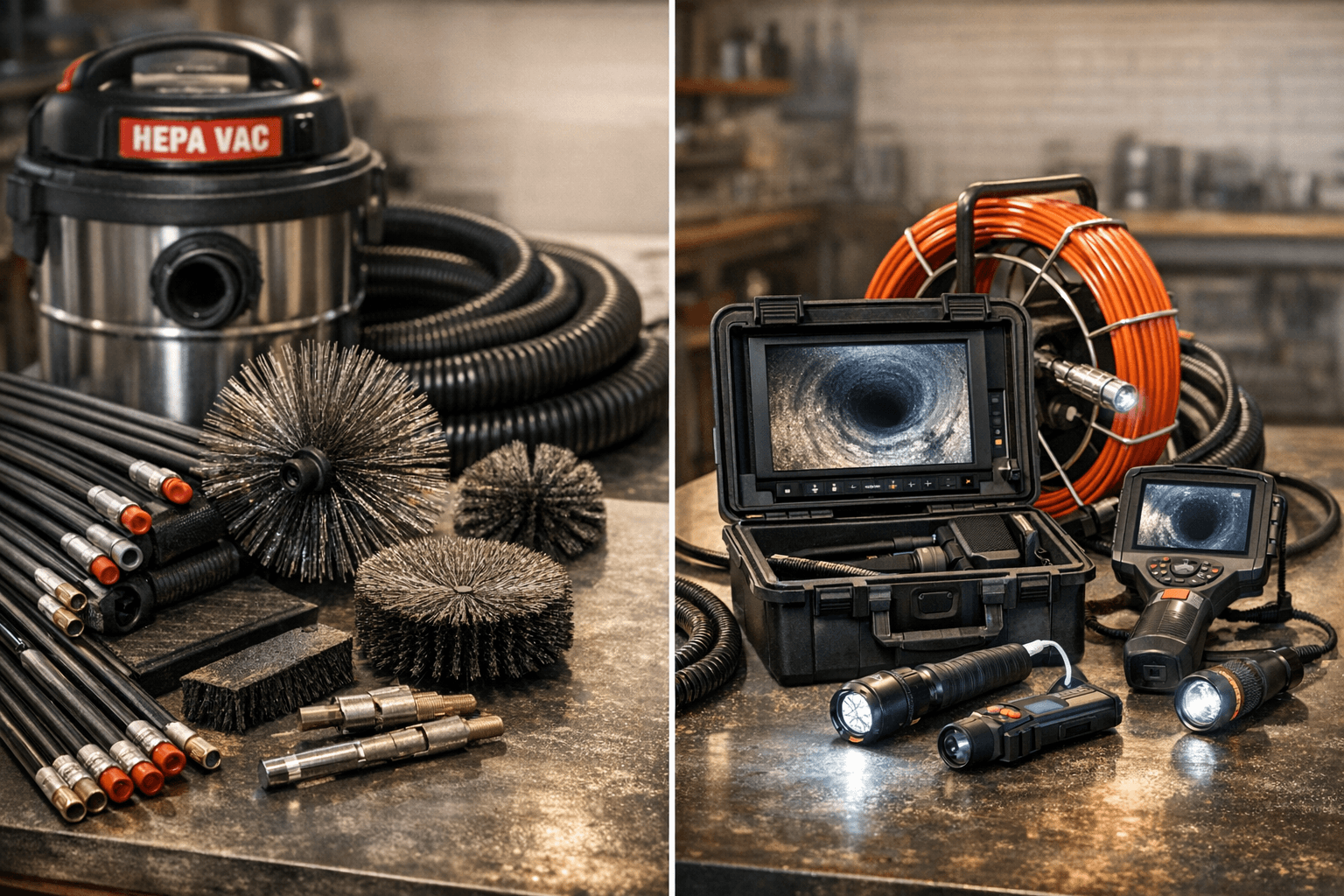
Modern chimney cameras are specialized for the task:
- Articulating heads that navigate bends and offsets
- High-resolution imaging for detailed documentation
- Recording capability to create a permanent record
- LED illumination to light the dark flue interior
Ask About Video Documentation
When scheduling a Level 2 inspection, confirm in writing:
- Camera scan is included (some companies charge extra)
- You will receive photos or video stills showing flue condition
- The report will note specific defects with their locations
- Recommendations are based on actual camera findings
Chimney Inspection Costs
Chimney inspection costs vary based on inspection level, location, roof accessibility, and chimney complexity. Here are typical Florida price ranges: (angi.com) (homeadvisor.com)
Florida Chimney Inspection Pricing (2025-2026)
| Inspection Level | Typical Price Range | What Affects Cost |
|---|---|---|
| Level 1 inspection | $100-$300 | Number of flues, roof access, bundled with cleaning |
| Level 2 inspection (with video) | $200-$700 | Multi-story homes, multiple flues, difficult roof pitch |
| Level 3 inspection | $500-$5,000+ | Extent of invasive work, demolition scope, repairs |
| Level 1 + cleaning bundle | $200-$400 | Common combination service |
| Level 2 + cleaning bundle | $350-$600 | Recommended for home sales |
Cost Factors Specific to Florida
- Roof pitch and height: Steep or tile roofs increase setup time and risk
- Hurricane history: Post-storm inspections often require Level 2
- Humidity damage: Moisture-related deterioration is common and may escalate inspection needs
- Multi-flue systems: Each flue requires separate inspection
- Chimney type: Masonry vs. prefabricated/factory-built systems have different inspection considerations
Florida Chimney Inspection Requirements
Florida does not have a single statewide law mandating chimney inspections at specific intervals. However, several factors effectively require certain inspection levels: (myfloridacfo.com)
Real Estate Transactions
Home buyers, sellers, insurers, and lenders commonly require Level 2 chimney inspections during property transfers. While not a state law, it's often a contractual requirement or inspection contingency in Florida real estate transactions.
Insurance Requirements
Many Florida homeowners insurance policies require:
- Proof of chimney inspection for coverage
- Level 2 inspection after claims involving fire or storm damage
- Documentation of repairs before reinstating coverage
Post-Storm Requirements
After hurricanes, tropical storms, or severe weather events, NFPA 211 guidelines recommend Level 2 inspections to assess potential damage to:
- Chimney cap and crown
- Flashing and waterproofing
- Structural integrity from wind stress
- Interior flue condition from debris impact
Local Code Enforcement
Florida fire code is enforced by local fire officials. Some municipalities may have specific requirements beyond the state baseline. Check with your local Authority Having Jurisdiction (AHJ) for any local amendments.
When Each Inspection Level Is Required
Level 1: Annual Maintenance
Schedule a Level 1 inspection when:
- It's time for your annual chimney check
- No changes or events have occurred since last inspection
- You've been using the system normally
- You want to verify it's safe to continue using
Level 2: Changes, Events, or Transactions
Schedule a Level 2 inspection when:
- Buying or selling a home with a fireplace or chimney
- Changing fuel type (wood to gas, gas to wood)
- Installing a new appliance (insert, stove, water heater)
- After any chimney fire or building fire
- After hurricanes, severe storms, lightning strikes, or earthquakes
- Before using a chimney that's been unused for years
- When malfunction or draft problems occur
- After relining the chimney
Level 3: Suspected Hidden Hazards
Schedule a Level 3 inspection when:
- Level 1 or 2 reveals conditions suggesting hidden damage
- Fire damage may have penetrated concealed areas
- Structural integrity cannot be verified without invasive access
- Extent of deterioration is unknown
How to Choose the Right Inspection Level
Start with these questions:
-
Has anything changed? If you changed appliances, fuel type, or had repairs, you need Level 2.
-
Are you buying or selling? Real estate transactions require Level 2 with video documentation.
-
Did something happen? Storms, fires, operational problems, or lightning strikes warrant Level 2.
-
Is this routine maintenance? Annual check-up with no changes or events = Level 1.
-
Did a lower-level inspection find concerns? Hidden hazard suspicions escalate to Level 3.
When in doubt, ask for Level 2. The video inspection provides documentation and catches problems that visual-only inspections miss. The cost difference is modest compared to the peace of mind and liability protection.
FAQ
Q: What is the difference between Level 1 and Level 2 chimney inspections? A: Level 1 is a visual inspection of readily accessible areas without camera equipment. Level 2 includes everything in Level 1 plus video camera inspection of the flue interior, examination of accessible attic/crawlspace areas, and verification of clearances to combustibles.
Q: Is a video camera inspection included in all chimney inspections? A: No. Video inspection is a requirement of Level 2 inspections per NFPA 211 standards. Level 1 inspections do not include camera scans. Always confirm what's included before scheduling.
Q: How much does a Level 2 chimney inspection cost in Florida? A: Level 2 chimney inspections in Florida typically cost $200-$700, depending on roof accessibility, number of flues, and whether it's bundled with cleaning services.
Q: Do I need a chimney inspection when buying a house in Florida? A: While not legally required by state law, Level 2 chimney inspections are commonly required by buyers, lenders, or insurers during real estate transactions. NFPA 211 specifically recommends Level 2 at sale or transfer of property.
Q: What triggers a Level 3 chimney inspection? A: Level 3 inspections are performed when Level 1 or 2 reveals conditions suggesting a hidden hazard that cannot be evaluated without invasive access. This might include suspected fire damage in concealed areas or structural concerns requiring demolition to assess.
Q: How often should a chimney be inspected? A: NFPA 211 and CSIA recommend annual inspections. Most homeowners need Level 1 annually, with Level 2 required when changes, events, or property transfers occur.
Q: What is NFPA 211? A: NFPA 211 is the National Fire Protection Association standard for chimneys, fireplaces, vents, and solid fuel-burning appliances. It establishes the inspection level framework used by certified chimney professionals nationwide.
Q: Does a Level 2 inspection include the attic? A: Yes. Level 2 inspections include examination of accessible attic spaces, crawlspaces, and basements to verify chimney condition and clearances in those areas.
Related Services
Service Areas
Final CTA
Need a chimney inspection in Florida? Our CSIA-informed technicians provide Level 1, 2, and 3 inspections with clear documentation and honest recommendations.
Call Pro Air Chimney at 813-513-7861 for a same-day quote.
JSON-LD FAQ Schema
{
  "@context": "https://schema.org",
  "@type": "FAQPage",
  "mainEntity": [
    {
      "@type": "Question",
      "name": "What is the difference between Level 1 and Level 2 chimney inspections?",
      "acceptedAnswer": {
        "@type": "Answer",
        "text": "Level 1 is a visual inspection of readily accessible areas without camera equipment. Level 2 includes everything in Level 1 plus video camera inspection of the flue interior, examination of accessible attic/crawlspace areas, and verification of clearances to combustibles."
      }
    },
    {
      "@type": "Question",
      "name": "Is a video camera inspection included in all chimney inspections?",
      "acceptedAnswer": {
        "@type": "Answer",
        "text": "No. Video inspection is a requirement of Level 2 inspections per NFPA 211 standards. Level 1 inspections do not include camera scans. Always confirm what's included before scheduling."
      }
    },
    {
      "@type": "Question",
      "name": "How much does a Level 2 chimney inspection cost in Florida?",
      "acceptedAnswer": {
        "@type": "Answer",
        "text": "Level 2 chimney inspections in Florida typically cost $200-$700, depending on roof accessibility, number of flues, and whether it's bundled with cleaning services."
      }
    },
    {
      "@type": "Question",
      "name": "Do I need a chimney inspection when buying a house in Florida?",
      "acceptedAnswer": {
        "@type": "Answer",
        "text": "While not legally required by state law, Level 2 chimney inspections are commonly required by buyers, lenders, or insurers during real estate transactions. NFPA 211 specifically recommends Level 2 at sale or transfer of property."
      }
    },
    {
      "@type": "Question",
      "name": "What triggers a Level 3 chimney inspection?",
      "acceptedAnswer": {
        "@type": "Answer",
        "text": "Level 3 inspections are performed when Level 1 or 2 reveals conditions suggesting a hidden hazard that cannot be evaluated without invasive access. This might include suspected fire damage in concealed areas or structural concerns requiring demolition to assess."
      }
    },
    {
      "@type": "Question",
      "name": "How often should a chimney be inspected?",
      "acceptedAnswer": {
        "@type": "Answer",
        "text": "NFPA 211 and CSIA recommend annual inspections. Most homeowners need Level 1 annually, with Level 2 required when changes, events, or property transfers occur."
      }
    },
    {
      "@type": "Question",
      "name": "What is NFPA 211?",
      "acceptedAnswer": {
        "@type": "Answer",
        "text": "NFPA 211 is the National Fire Protection Association standard for chimneys, fireplaces, vents, and solid fuel-burning appliances. It establishes the inspection level framework used by certified chimney professionals nationwide."
      }
    },
    {
      "@type": "Question",
      "name": "Does a Level 2 inspection include the attic?",
      "acceptedAnswer": {
        "@type": "Answer",
        "text": "Yes. Level 2 inspections include examination of accessible attic spaces, crawlspaces, and basements to verify chimney condition and clearances in those areas."
      }
    }
  ]
}