What Is HVAC? A Complete Guide for Florida Homeowners
HVAC stands for Heating, Ventilation, and Air Conditioning. It's the system that keeps your home comfortable year-round by controlling temperature, humidity, and air quality.
For Florida homeowners, understanding your HVAC system is especially important. With cooling costs making up a significant portion of annual energy bills and systems working overtime in our hot, humid climate, knowing how your system works helps you make better maintenance decisions and avoid costly repairs.
This guide explains what HVAC means, how each component works, the different system types available, and what Florida homeowners specifically need to know.
Need HVAC duct service in Florida? Call Pro Air Chimney at 813-513-7861 or schedule at https://proairchimney.com/contact.
Table of Contents
- What does HVAC stand for?
- How an HVAC system works
- Main HVAC components
- Types of HVAC systems
- Heat pump vs AC: which is better for Florida?
- How long does an HVAC system last?
- HVAC replacement costs in Florida
- HVAC maintenance for Florida homes
- Common HVAC problems and warning signs
- How ductwork affects HVAC performance
- FAQ
- Sources
What does HVAC stand for?
HVAC is an acronym for the three main functions your home climate system performs:
- H - Heating: Warming your home during cooler months
- V - Ventilation: Moving air throughout your home and exchanging stale indoor air with fresh outdoor air
- AC - Air Conditioning: Cooling and dehumidifying your home during warm months
Together, these three functions maintain comfortable temperatures, control humidity, filter airborne particles, and ensure adequate air circulation throughout your living spaces.
In Florida, the air conditioning component does the heavy lifting-most systems run 8-10 months per year for cooling. However, ventilation is equally critical because it directly affects indoor air quality and humidity control.
How an HVAC system works
Most Florida HVAC systems use a refrigeration cycle to cool your home. Rather than "creating cold," the system moves heat from inside your home to outside.
Cooling mode (how AC works)
- Warm indoor air is pulled through the return duct into the air handler
- Air passes over the evaporator coil (cold coil), which absorbs heat from the air
- Refrigerant inside the coil carries that heat to the outdoor unit
- The compressor pumps refrigerant to the outdoor condenser coil
- Heat releases outside, and the cooled refrigerant cycles back inside
- Cooled air is pushed through supply ducts to your rooms
Heating mode (heat pump)
Heat pumps reverse this process:
- A reversing valve switches the refrigerant flow direction
- The outdoor coil absorbs heat from outside air (yes, even in cool weather)
- Heat transfers to the indoor coil
- Warm air circulates through your home
This is why heat pumps are popular in Florida-they handle both cooling and heating efficiently without needing a separate furnace.
The role of ventilation
While heating and cooling get most of the attention, ventilation is what makes your indoor air breathable:
- Supply and return ducts circulate conditioned air
- Air filters remove dust, pollen, and particles
- Exhaust fans (bathroom, kitchen) remove moisture and odors
- Some homes have fresh air intakes that bring in outdoor air
Poor ventilation leads to stuffy rooms, humidity problems, and indoor air quality issues-common complaints in tightly sealed Florida homes.
Main HVAC components
Understanding your system's parts helps you communicate with technicians and identify problems early.
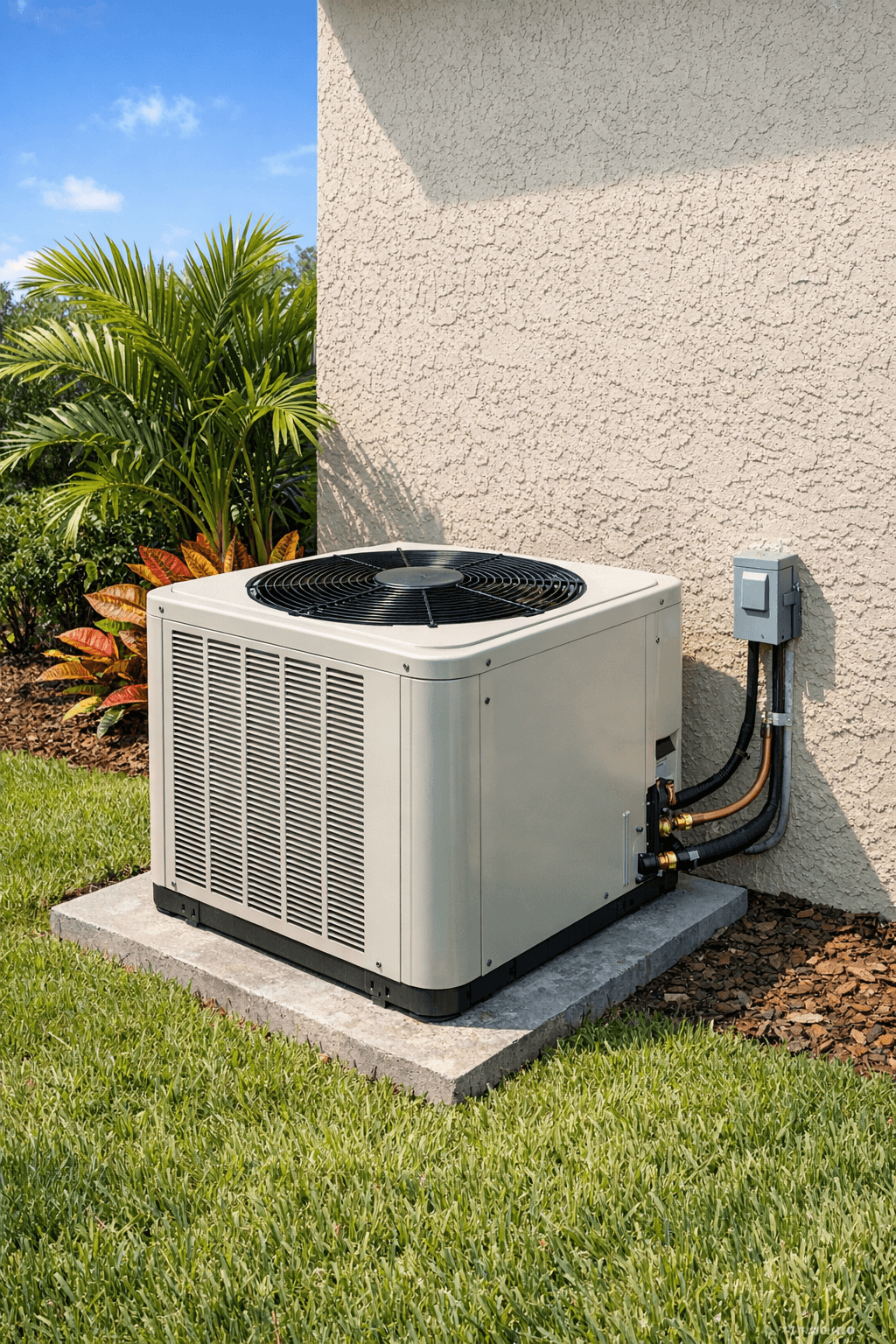
Outdoor unit (condenser)
The large metal box outside your home contains:
- Compressor: The "heart" of the system; pumps refrigerant
- Condenser coil: Releases heat absorbed from inside
- Fan: Blows air across the coil to dissipate heat
- Refrigerant lines: Connect outdoor and indoor units
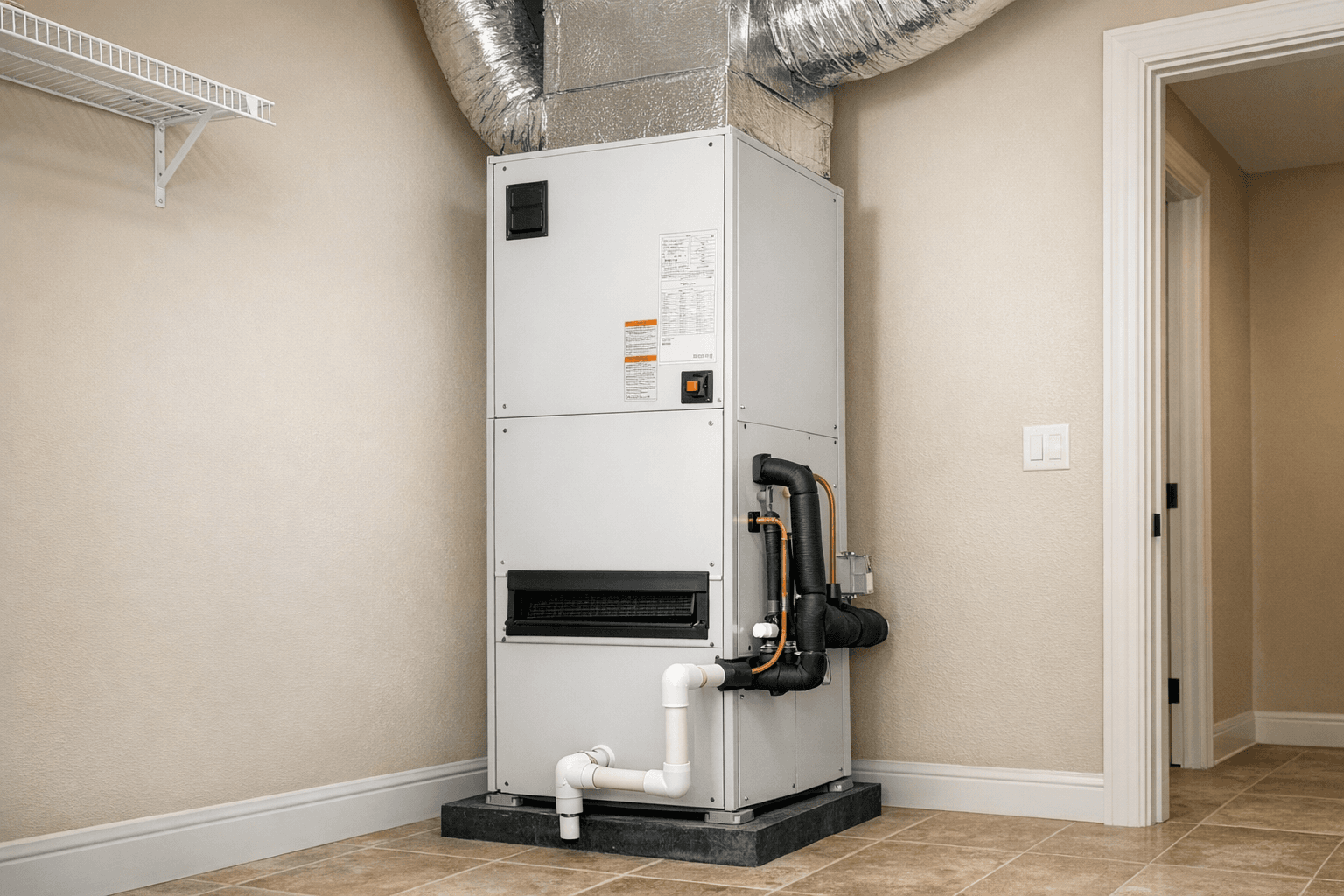
Indoor unit (air handler or furnace)
Located in a closet, attic, or garage:
- Evaporator coil: Absorbs heat from indoor air (gets cold)
- Blower fan: Circulates air through the duct system
- Air filter: Captures dust and particles before they enter the system
- Drain pan and condensate line: Removes moisture pulled from humid air
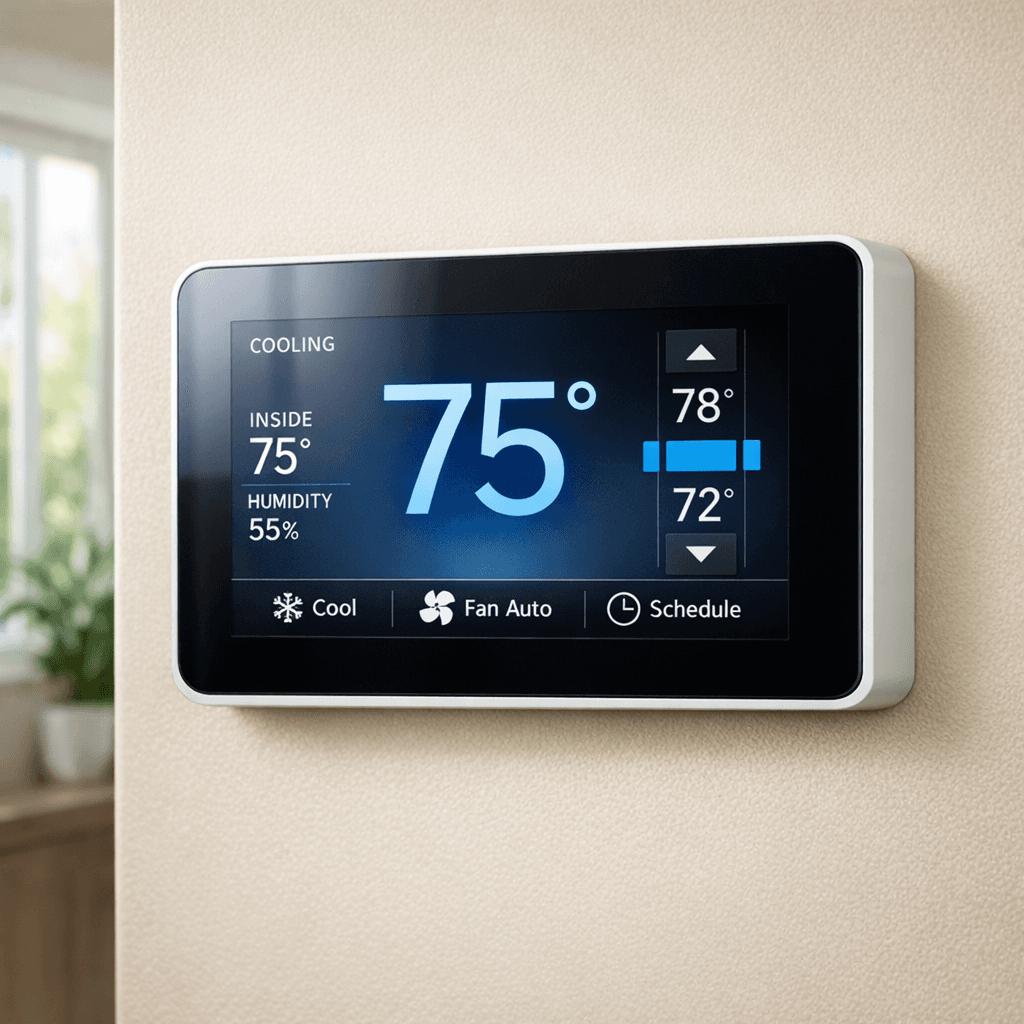
Thermostat
The control center:
- Temperature sensor: Reads current room temperature
- Controls: Tells the system when to turn on/off
- Programmable/smart features: Allow scheduling and remote control
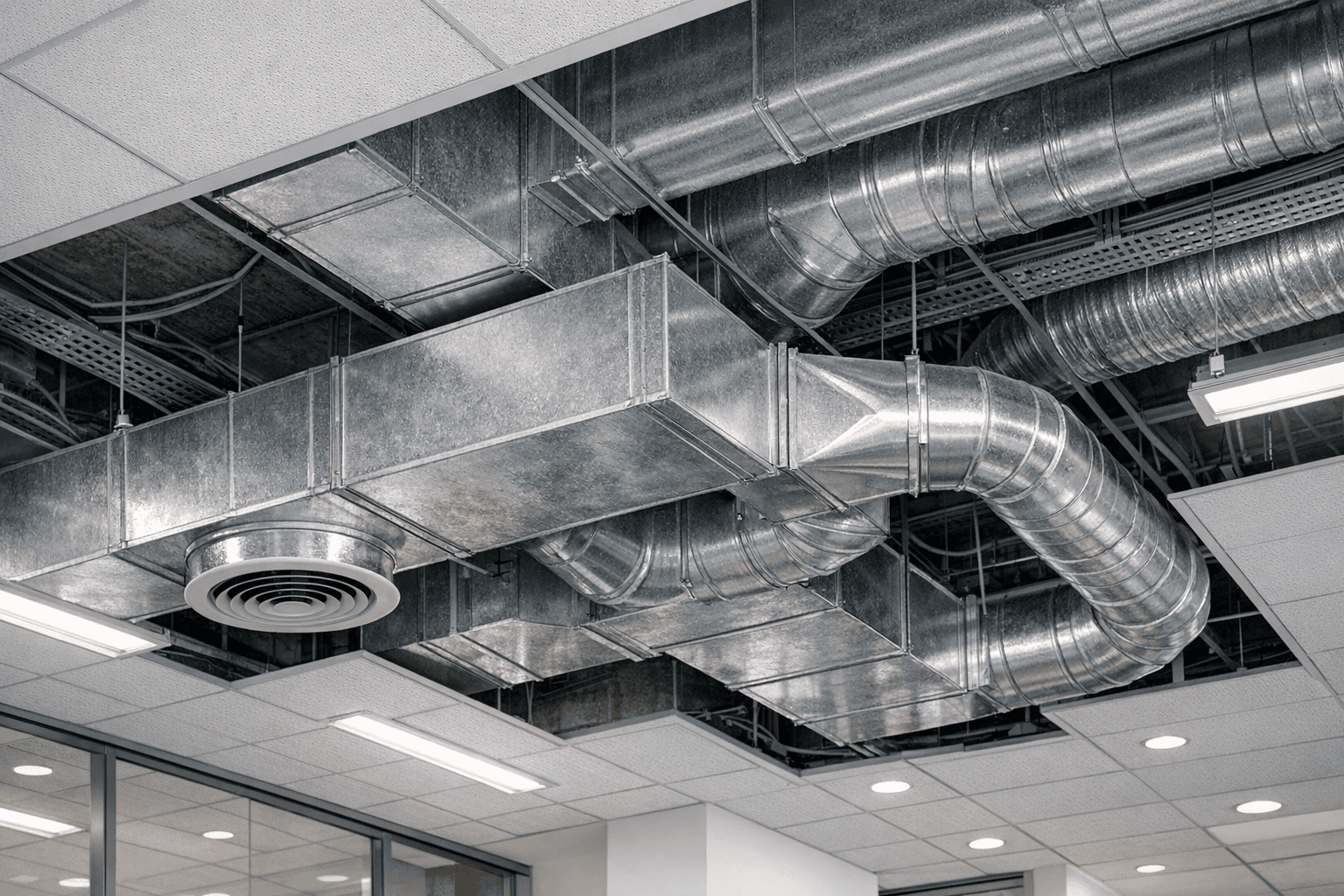
Ductwork
The delivery system:
- Supply ducts: Carry conditioned air to rooms
- Return ducts: Bring air back to the air handler
- Registers and grilles: Allow air into and out of rooms
In Florida, ductwork often runs through hot attics, making duct condition and insulation critical. Leaky or poorly insulated ducts can waste 20-30% of your cooling energy.
Learn more about duct issues at /services/air-duct-cleaning and /services/duct-repair.
Types of HVAC systems
1. Split system (most common in Florida)
The standard setup with separate indoor and outdoor units connected by refrigerant lines:
- Outdoor condenser (contains compressor and condenser coil)
- Indoor air handler (contains evaporator coil and blower)
- Ductwork distributes air throughout the home
Best for: Whole-home cooling; the most common choice in Florida single-family homes.
2. Packaged unit
All components in one outdoor cabinet, usually on a concrete pad or rooftop:
- Compressor, coils, and blower in a single housing
- Ducts connect directly to the unit
Best for: Homes with limited indoor space; common in mobile homes and some Florida construction.
3. Ductless mini-split
Individual indoor units connected to an outdoor compressor:
- No ductwork required
- Each indoor "head" cools/heats one zone
- Multiple heads can connect to one outdoor unit
Best for: Room additions, garages, older homes without ducts, or zoned comfort. Avoids duct losses-a significant advantage when ducts would run through a hot Florida attic.
4. Heat pump system
Not a separate category, but a mode of operation:
- Can be split, packaged, or ductless
- Provides both cooling AND heating
- Moves heat rather than generating it
Most new Florida installations are heat pump systems because they handle the mild winter heating needs efficiently.
Heat pump vs AC: which is better for Florida?
This is one of the most common questions from Florida homeowners.
Standard AC ("straight cool")
- Only cools; requires separate heating (usually electric heat strips)
- Heat strips are essentially electric resistance heaters-expensive to operate
- Slightly lower upfront cost
Heat pump
- Cools AND heats using the refrigeration cycle
- 2-3x more efficient than heat strips for heating
- Slightly higher upfront cost
- Works well in mild climates (ideal for Florida)
The Florida verdict
Heat pumps make sense for most Florida homes because:
- Winters are mild-heat pumps work efficiently down to 40°F
- You'll save on heating costs during the few weeks you need heat
- Modern heat pumps have auxiliary heat strips for the rare cold snaps
- The efficiency advantage outweighs the small price difference
According to the Department of Energy, heat pumps can reduce heating energy use by approximately 50% compared to electric resistance heating.
How long does an HVAC system last?
Typical lifespan
- National average: 15-20 years with proper maintenance
- Florida average: 10-15 years
Why Florida systems wear out faster
- Extended runtime: AC runs 8-10 months per year (vs. 4-5 months in northern climates)
- Heat and humidity: Components work harder and corrode faster
- Coastal salt air: Accelerates corrosion on outdoor units
- Attic installations: Indoor units in hot attics face extreme temperature swings
When to plan for replacement
If your system is 12+ years old, it's entering the replacement window even if it still runs. Start budgeting and researching options before an emergency forces a rushed decision.
Signs your system is nearing end-of-life:
- Frequent repairs (2+ service calls per year)
- Increasing energy bills with no usage change
- Inconsistent temperatures room to room
- Poor humidity control (sticky indoor air)
- Major component failure (compressor, coil) on an older unit
HVAC replacement costs in Florida
Installed cost ranges (2024-2025)
| System Type | Typical Range |
|---|---|
| AC unit replacement only | $3,900 - $8,000 |
| Heat pump + air handler | $9,500 - $12,500 |
| AC + furnace system | $10,000 - $13,000 |
| Ductless mini-split (single zone) | $3,000 - $5,000 |
| Ductless mini-split (multi-zone) | $6,000 - $15,000+ |
Factors affecting price
- System size (tonnage): Larger homes need bigger systems
- Efficiency rating (SEER2): Higher efficiency costs more upfront but saves on bills
- Ductwork condition: Repairs or replacement add cost
- Accessibility: Attic, closet, or crawlspace installation affects labor
- Electrical upgrades: Older homes may need panel upgrades
Getting accurate quotes
Always get 3+ written quotes and ask:
- What equipment brand and model?
- What SEER2/efficiency rating?
- Does price include permit and inspection?
- What warranty is included?
- Is ductwork included or separate?
HVAC maintenance for Florida homes
Regular maintenance extends system life, maintains efficiency, and catches problems early.
Homeowner tasks (monthly)
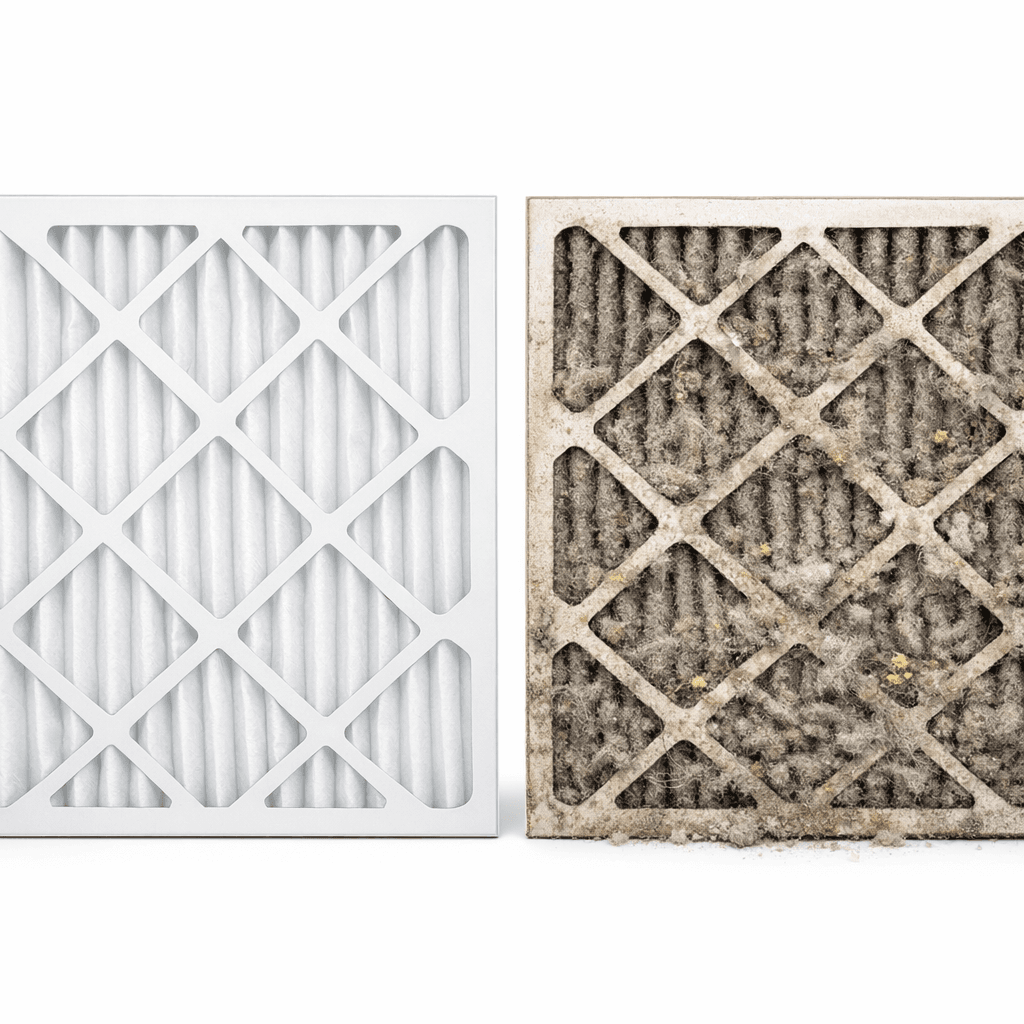
- Change or clean air filter (every 1-3 months; more often with pets)
- Keep outdoor unit clear of debris, plants, and mulch (2 feet clearance)
- Check condensate drain for clogs (a common Florida problem)
- Listen for unusual sounds when system starts
Professional maintenance (twice yearly)
Florida's heavy AC use justifies two annual tune-ups-spring (before cooling season) and fall.
A professional visit typically includes:
- Thermostat calibration
- Electrical connection inspection
- Refrigerant level check
- Coil cleaning (evaporator and condenser)
- Drain line clearing
- Blower component inspection
- Safety control testing
Why the condensate drain matters in Florida
Your AC removes gallons of water from humid Florida air daily. That water drains through a condensate line. If it clogs:
- Water backs up and overflows
- Float switch shuts down the system
- Water damage can occur
Keeping this drain clear is one of the simplest ways to prevent AC problems in Florida.
Common HVAC problems and warning signs
AC not cooling properly
Possible causes:
- Dirty air filter restricting airflow
- Frozen evaporator coil
- Low refrigerant (leak in system)
- Dirty condenser coil
- Failing compressor
System won't turn on
Possible causes:
- Tripped circuit breaker
- Thermostat issue
- Clogged condensate drain (float switch triggered)
- Failed capacitor or contactor
- Burned-out motor
Weak airflow from vents
Possible causes:
- Clogged air filter
- Leaky ductwork
- Blocked vents
- Failing blower motor
- Duct disconnection
High humidity despite AC running
Possible causes:
- Oversized system (cools too fast, doesn't run long enough to dehumidify)
- Leaky ductwork pulling in humid attic air
- Low refrigerant charge
- Dirty evaporator coil
Unusual noises
- Grinding: Motor bearings failing
- Squealing: Belt issues or motor problems
- Banging: Loose component or compressor issue
- Hissing: Refrigerant leak
If you notice these warning signs, address them early. Small problems become expensive repairs when ignored.
How ductwork affects HVAC performance
Your HVAC system is only as good as the ducts that deliver air. In Florida, ductwork issues are among the most common causes of comfort problems and high bills.
Common duct problems
- Leaks at connections: Air escapes into unconditioned spaces
- Poor insulation: Ducts in hot attics gain heat
- Crushed or kinked flex duct: Restricts airflow
- Disconnected sections: Conditioned air blows into attic
- Undersized ducts: System can't deliver enough air
Signs of duct problems
- Some rooms much hotter than others
- Visible dust puffs from vents
- High energy bills despite a working system
- Humidity control issues
- System runs constantly but house never cools
Duct maintenance
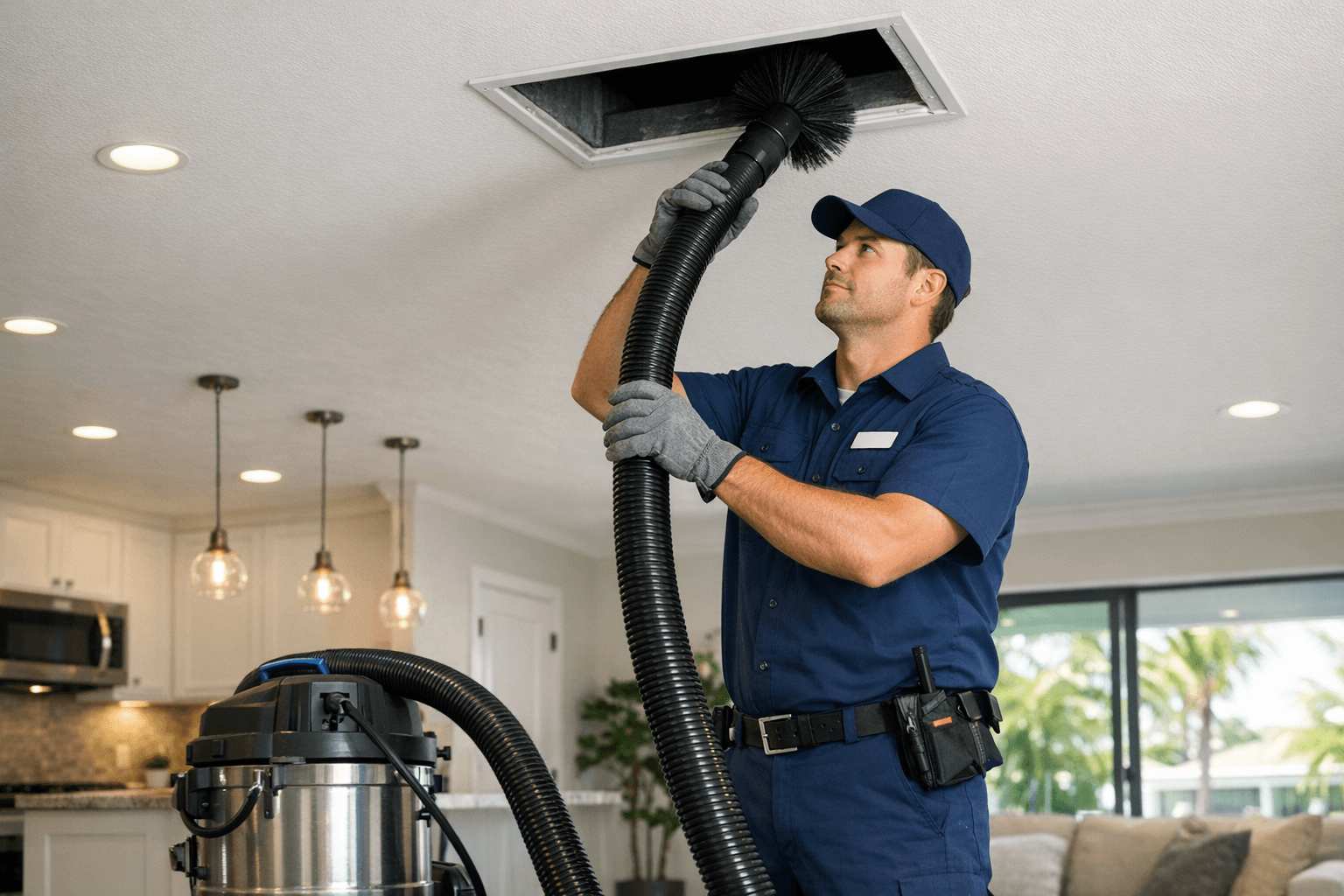
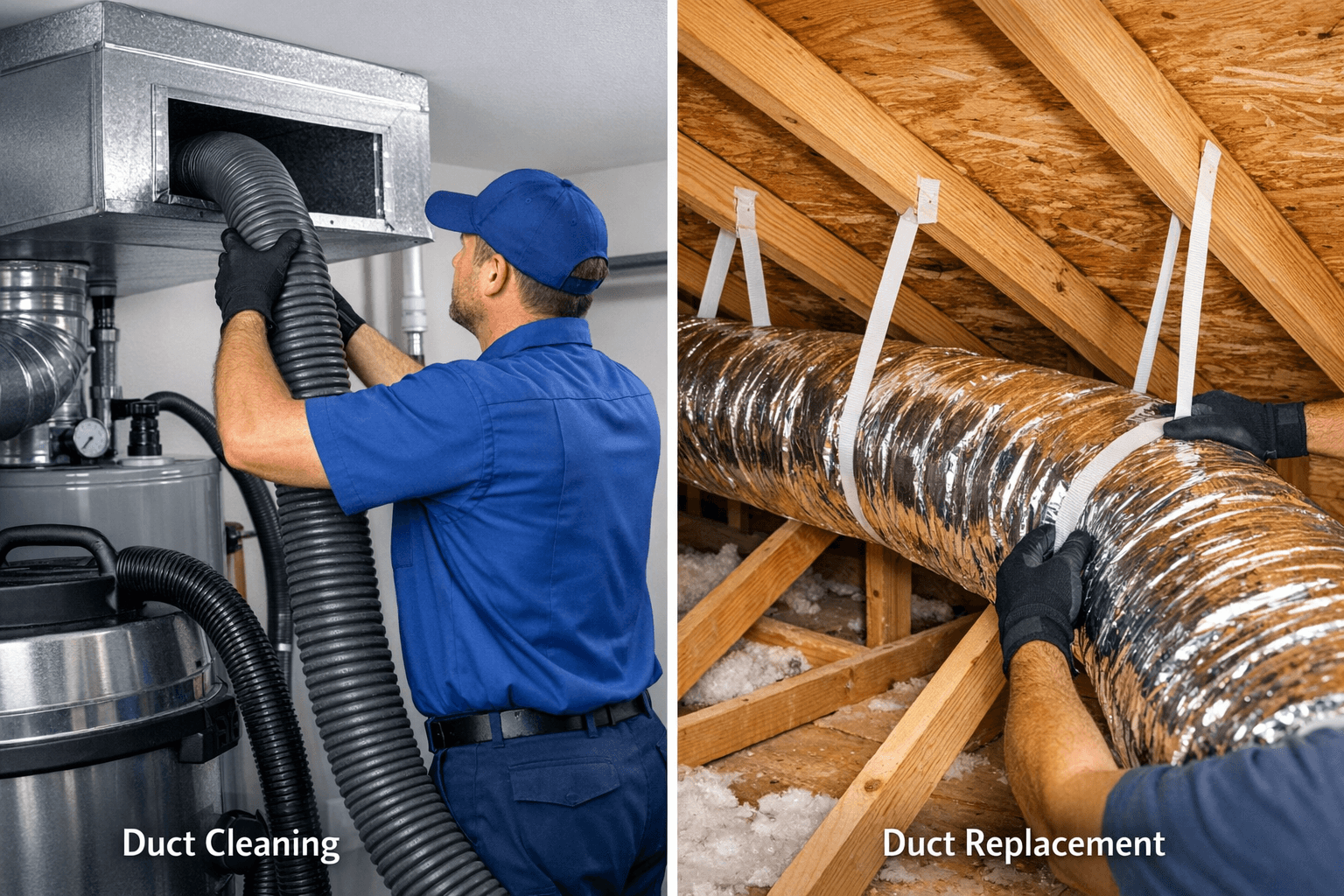
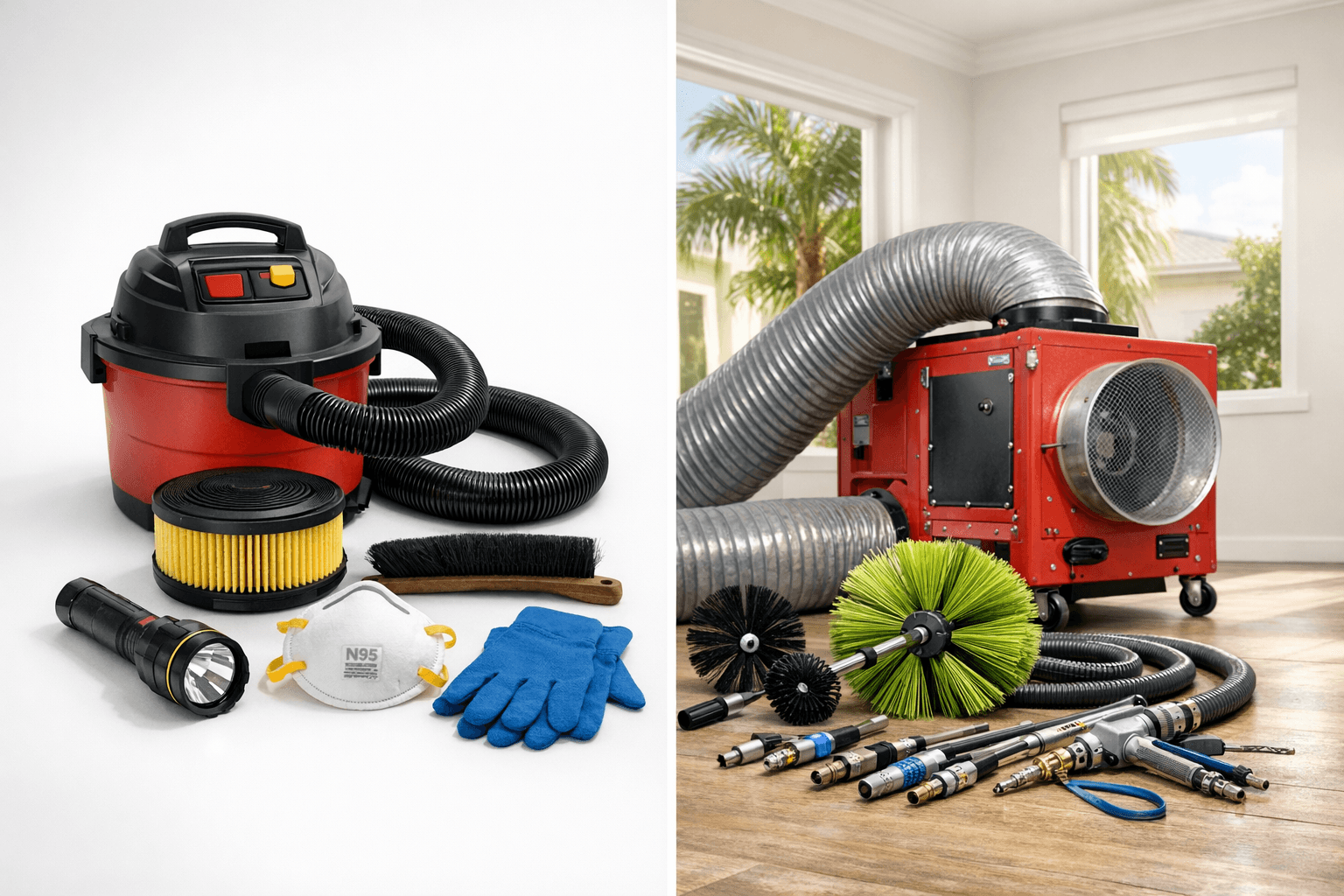
Professional duct cleaning removes accumulated dust, debris, and allergens. Duct sealing closes leaks that waste energy. Both services improve comfort and efficiency.
Learn more at /services/air-duct-cleaning and /services/duct-repair.
Florida homeowners: If you're dealing with duct leaks, airflow problems, or indoor air quality concerns, Pro Air Chimney can help. Call 813-513-7861 or visit https://proairchimney.com/contact.
FAQ
What does HVAC stand for?
HVAC stands for Heating, Ventilation, and Air Conditioning. It refers to the system that controls your home's temperature, humidity, and air quality.
What is the difference between HVAC and AC?
AC (air conditioning) is one part of an HVAC system. HVAC includes heating and ventilation as well. In common usage, people often say "AC" when referring to the entire cooling system.
How long do HVAC systems last in Florida?
Florida HVAC systems typically last 10-15 years due to extended runtime, heat, humidity, and (in coastal areas) salt air corrosion. The national average is 15-20 years.
How much does a new HVAC system cost in Florida?
A complete system (heat pump + air handler) typically costs $9,500-$12,500 installed. AC-only replacements start around $3,900-$8,000. Costs vary by home size, efficiency rating, and installation complexity.
How often should HVAC be serviced in Florida?
Twice yearly is recommended-spring before cooling season and fall before heating season. Florida's heavy AC use justifies the extra maintenance compared to northern climates.
Is a heat pump or AC better for Florida?
Heat pumps are generally better for Florida because they efficiently handle both cooling and heating. Since Florida winters are mild, heat pumps work effectively year-round and cost less to operate than AC with electric heat strips.
Why is my AC running but not cooling?
Common causes include dirty air filters, frozen evaporator coil, low refrigerant, dirty condenser coil, or a failing compressor. Check your filter first-a clogged filter is the most common (and cheapest to fix) cause.
What SEER rating should I choose in Florida?
For Florida's climate, a minimum SEER2 of 15-16 is recommended. Higher ratings (18-20+) cost more upfront but provide greater energy savings over the system's life. Calculate payback based on your usage and local electricity rates.