Air Duct Cleaning vs Replacement: When to Choose Each
Your HVAC system isn't performing like it used to. Maybe some rooms are too hot, others too cold, or your energy bills have crept up without explanation. The question many Florida homeowners face: should you clean your air ducts or replace them entirely?
The answer depends on what's actually wrong. Cleaning addresses contamination and debris. Replacement addresses structural failure and end-of-life ductwork. Choosing wrong can mean wasting money on a service that doesn't fix the problem-or spending thousands on replacement when a $400 cleaning would have done the job.
This guide breaks down exactly when each option makes sense, what each costs, and how to make the right call for your Florida home.
Need expert guidance now? Call Pro Air Chimney at 813-513-7861 for an honest assessment.
Table of Contents
- Quick Comparison: Cleaning vs Replacement
- When Air Duct Cleaning is the Right Choice
- When Duct Replacement is Necessary
- Cost Comparison
- Duct Lifespan: How Long Should Ducts Last?
- Florida-Specific Factors
- Energy Savings and ROI
- Warning Signs Checklist
- How to Decide: A Practical Framework
- Related Services
- FAQ
- Sources
Quick Comparison: Cleaning vs Replacement
| Factor | Duct Cleaning | Duct Replacement |
|---|---|---|
| Cost | $300-$700 | $1,500-$5,600+ |
| What It Fixes | Debris, dust, contamination | Structural damage, leaks, design flaws |
| Time Required | 2-4 hours | 1-3 days |
| When Needed | Visible buildup, post-renovation, pests | Collapsed ducts, major leaks, 15-25+ year old systems |
| Energy Impact | Minimal (per EPA) | Up to 20% efficiency improvement if fixing leaks |
| Best For | Intact ducts with contamination issues | Damaged, deteriorated, or poorly designed systems |
Key insight: The EPA notes that duct cleaning alone doesn't reliably improve energy efficiency. If your main concern is high bills or poor airflow, the issue is more likely leaks or damage-which requires repair or replacement, not cleaning.
When Air Duct Cleaning is the Right Choice
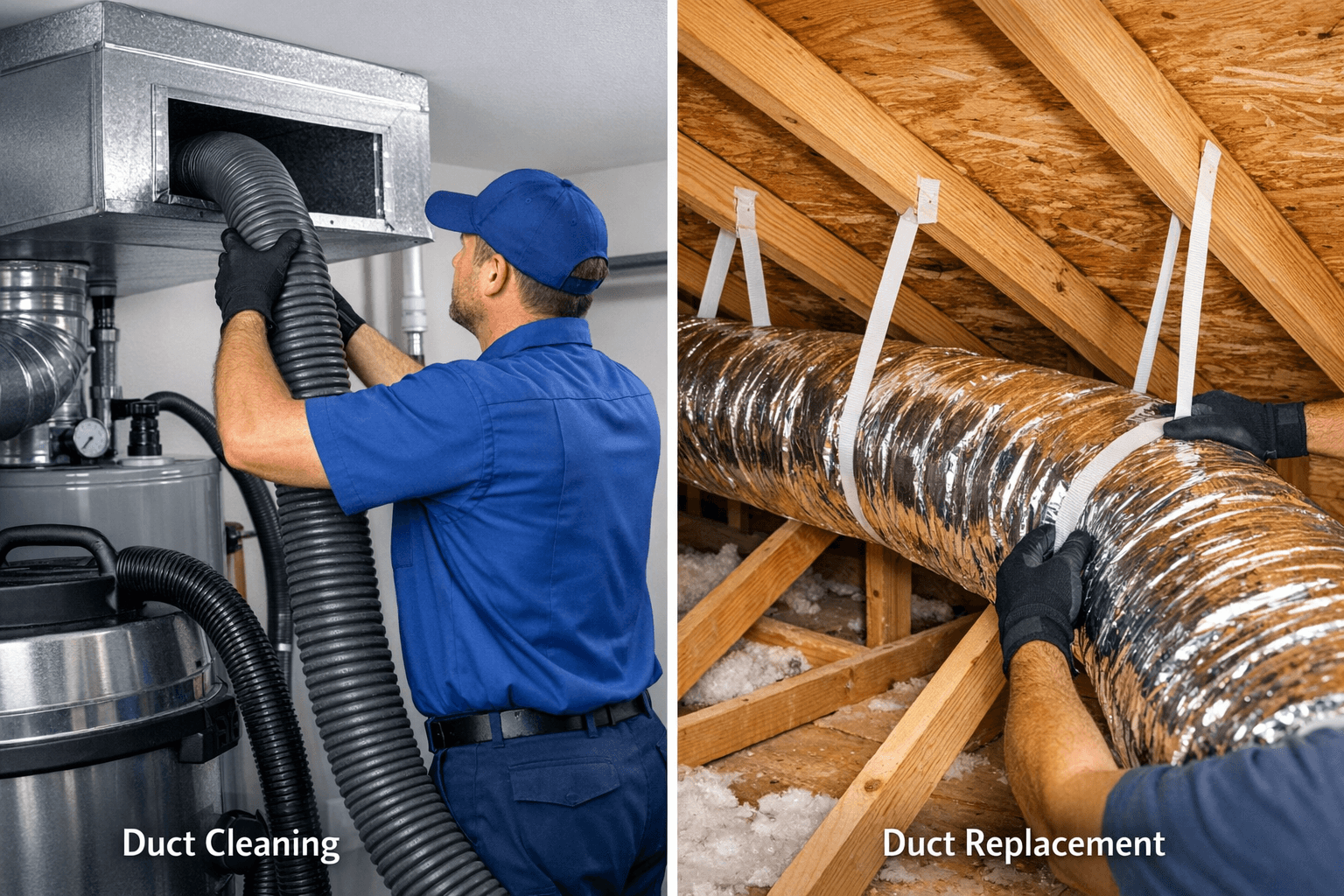
Duct cleaning makes sense when your ductwork is structurally sound but has accumulated contamination that affects air quality or system performance.
Good Reasons to Choose Cleaning
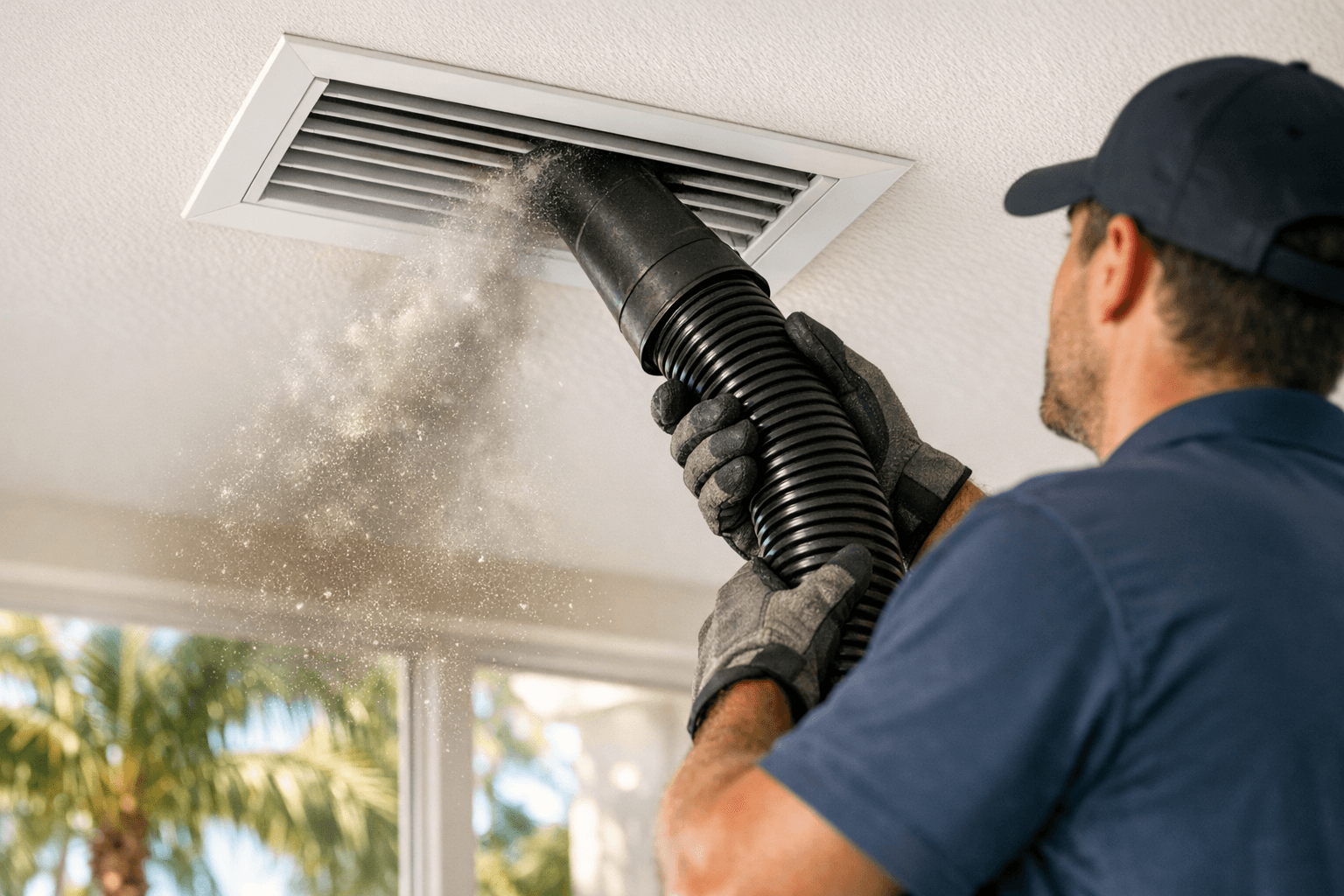
- Visible dust or debris blowing from vents when the system runs
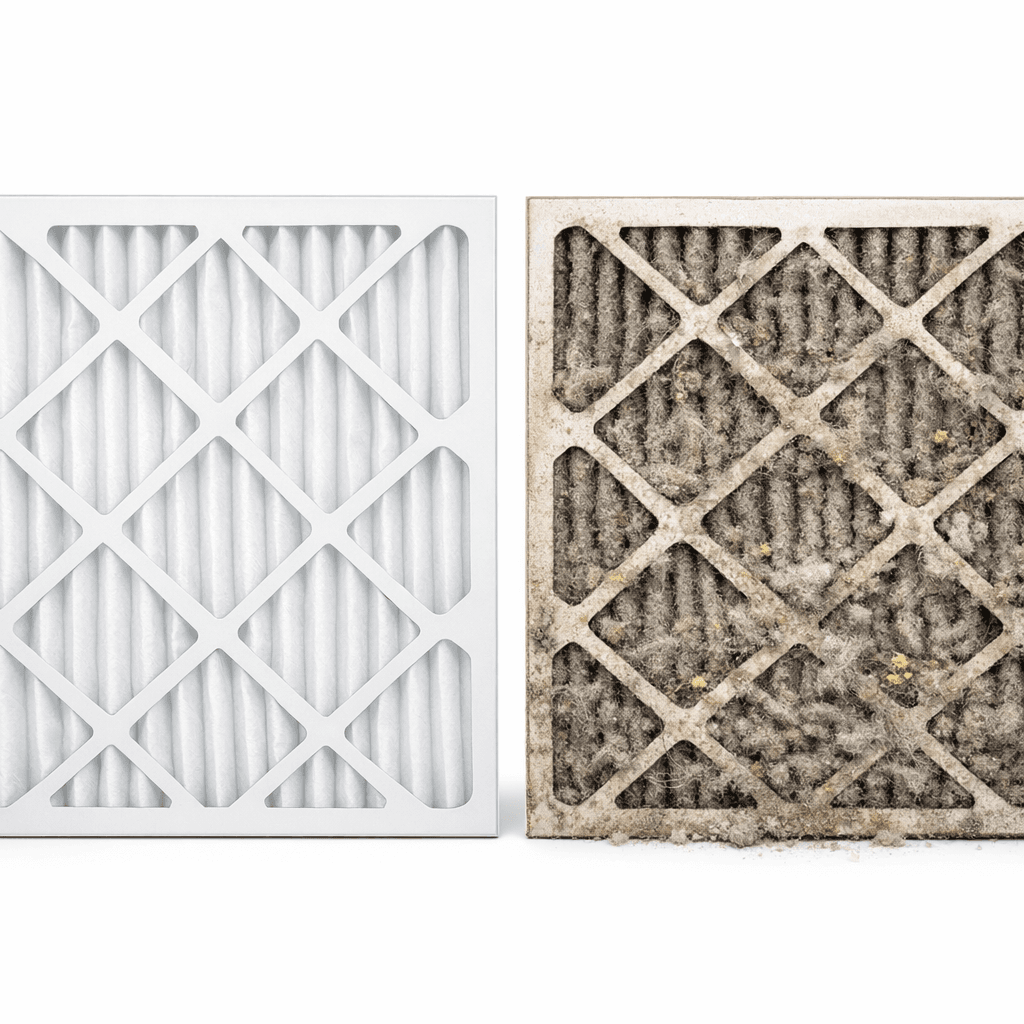
- Heavy buildup on registers that returns quickly after surface cleaning
- Post-renovation debris (drywall dust, sawdust, construction particles)
- Verified pest contamination (rodent droppings, insect debris, nesting materials)
- After water intrusion events that introduced moisture but didn't damage duct structure
- Moving into a home with unknown maintenance history and visible vent contamination
- Documented mold presence in accessible duct sections (requires proper remediation approach)
What Cleaning Actually Does
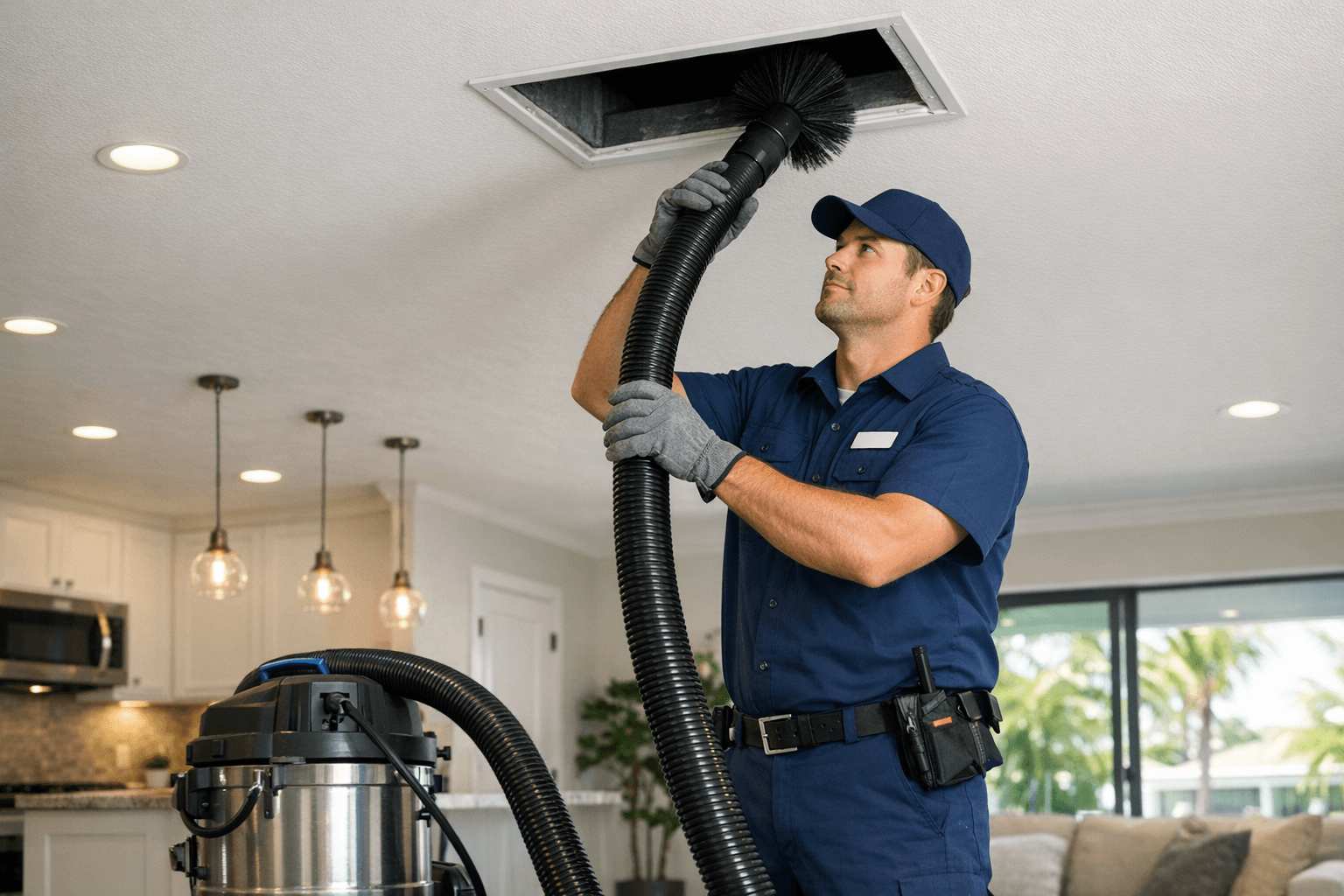
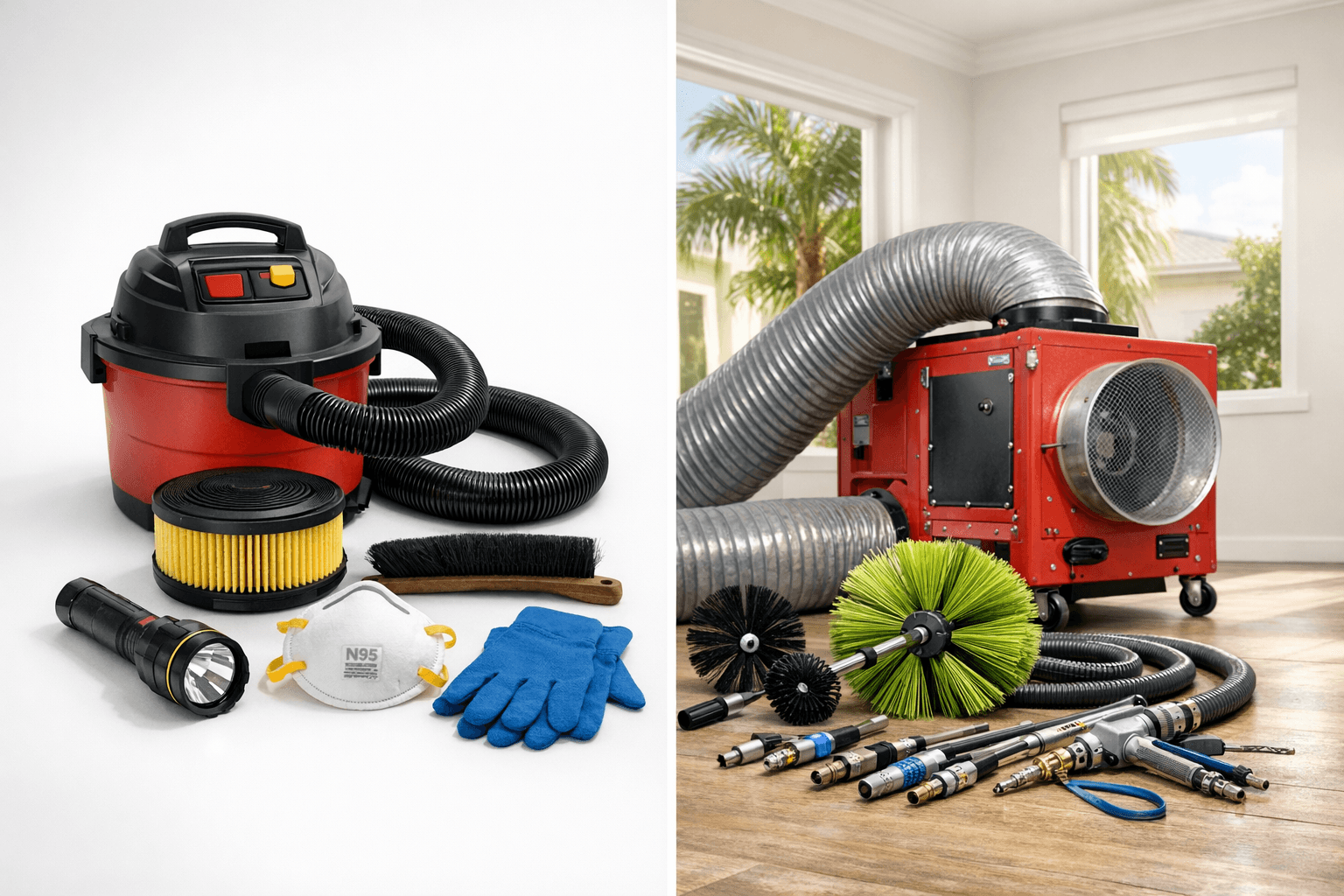
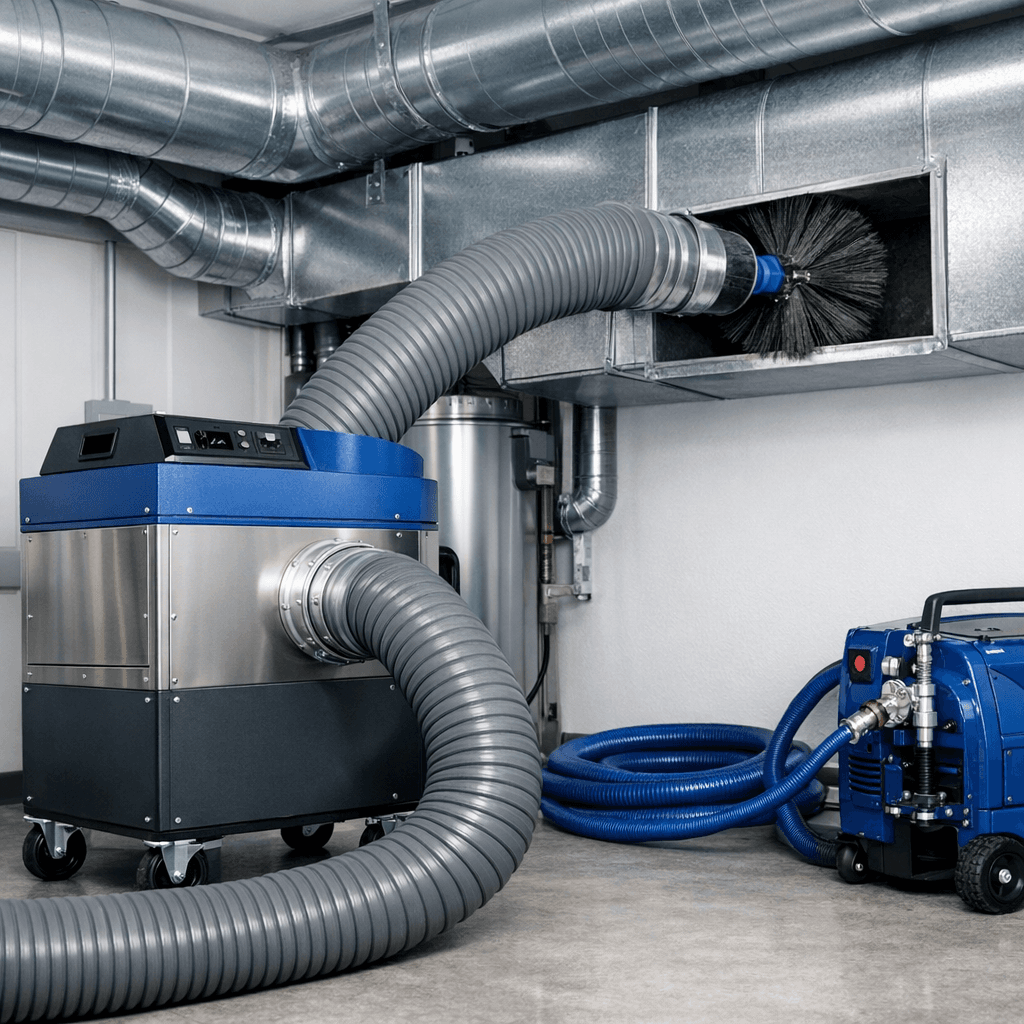
Professional duct cleaning removes accumulated debris from supply ducts, return ducts, trunk lines, and accessible air handler areas. It uses controlled vacuum systems and agitation tools appropriate for your duct type.
What cleaning cannot do:
- Fix disconnected or collapsed duct sections
- Seal air leaks at joints and connections
- Repair damaged insulation or vapor barriers
- Solve duct design problems (undersized returns, poor layout)
- Prevent new contamination if there's an active leak pulling in attic dust
Learn more: Air Duct Cleaning Service
When Duct Replacement is Necessary
Replacement is the right call when the duct system has structural or design problems that cleaning can't solve-and that repairs can't reliably fix.
Clear Signs You Need Replacement
Physical Damage:
- Collapsed, crushed, or severely kinked flex duct sections
- Disconnected duct runs (especially in attics or crawlspaces)
- Widespread tears, holes, or deteriorated duct material
- Duct inner liner that's falling apart or separating
Performance Failures:
- Major air leaks throughout the system (not just at a few joints)
- Persistent comfort problems despite multiple repair attempts
- Ducts that are undersized for your HVAC equipment
- Poor original design that creates chronic airflow imbalance
End-of-Life Indicators:
- Duct system is 20+ years old with visible deterioration
- Brittle flex duct that cracks when touched
- Insulation that's compressed, waterlogged, or missing entirely
- Recurring condensation issues driven by inadequate vapor barriers
After Major Events:
- Significant water damage from flooding or major leaks
- Fire or smoke damage affecting duct materials
- Extensive pest damage beyond surface contamination
When Partial Replacement Makes Sense
You don't always need to replace the entire system. Partial replacement is often practical when:
- Only certain runs are damaged (often attic sections)
- You're keeping functional metal trunk lines but replacing failed flex runs
- Adding or relocating returns to improve system balance
- Replacing duct sections during a new HVAC installation
Learn more: Duct Repair Services
Cost Comparison: What to Budget
Understanding real costs helps you evaluate quotes and avoid being oversold.
Air Duct Cleaning Costs
Typical range in Florida: $300-$700 for a full-system residential cleaning.
This should include:
- All supply duct runs
- All return duct runs
- Main trunk lines
- Air handler cabinet access areas
- Registers and grilles
Warning: Be extremely cautious of $99 "whole house" specials. These are almost always bait-and-switch tactics that lead to aggressive upsells or cover only a tiny portion of your system.
Duct Replacement Costs
Typical range: $1,500-$5,600 for whole-home duct replacement.
Per-linear-foot estimates:
- Standard access: $10-$40 per linear foot
- Difficult access (opening walls/ceilings): $30-$50 per linear foot
Factors that increase cost:
- Multi-story homes
- Limited attic access or tight crawlspaces
- Removing old ductwork before installing new
- Upgrading to better-insulated duct materials
- Redesigning layout for improved airflow
Duct Sealing Costs (Middle Ground)
Sometimes the issue is leaks, not debris or structural failure. Duct sealing addresses air leakage at joints and connections.
Cost varies widely based on scope and accessibility, but it's typically between cleaning and replacement costs. ENERGY STAR emphasizes sealing and insulating as practical efficiency moves.
Learn more: Duct Sealing vs Replacement Guide
Duct Lifespan: How Long Should Ducts Last?
Most duct systems have a functional lifespan of 15-25 years, though this varies significantly based on:
Material Type
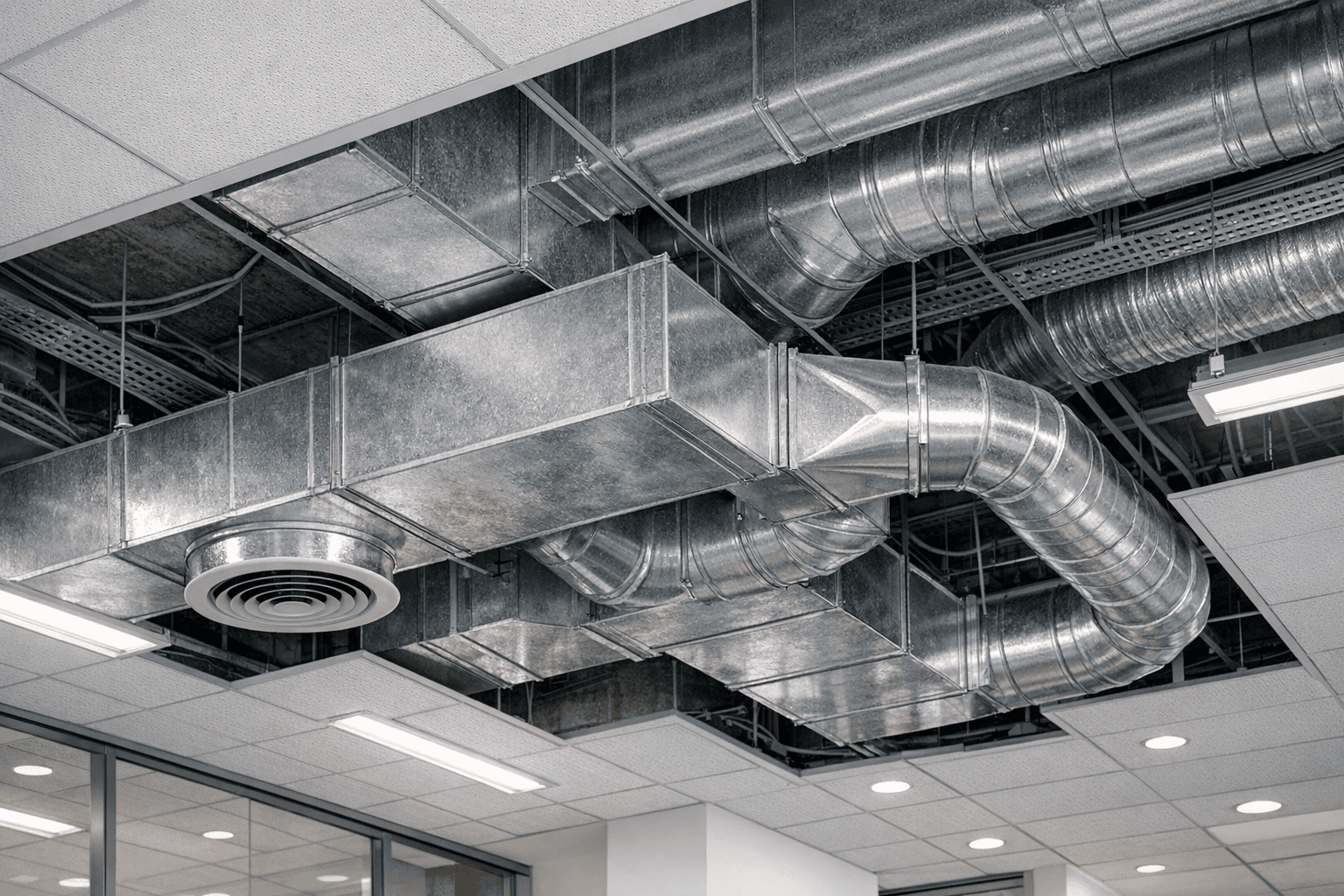
- Galvanized steel (rigid metal): 20-30+ years if not damaged
- Flex duct: 10-20 years (outer jacket and inner liner degrade faster in heat)
- Fiberglass duct board: 15-20 years (can be damaged by moisture)
- Aluminum flex duct: Similar to standard flex, heat accelerates degradation
Installation Quality
Properly supported, sealed, and insulated ducts last longer. Ducts that were rushed during construction often fail earlier due to:
- Inadequate support (sagging)
- Poor sealing at joints
- Insufficient insulation
- Kinks and restrictions from original installation
Environmental Conditions
Florida's climate is particularly hard on ductwork. Ducts in unconditioned attics face:
- Temperature swings from 60°F to 150°F+
- High humidity that degrades materials
- Condensation risk if insulation fails
- Greater expansion/contraction stress on joints
Rule of thumb: If your Florida home has original ductwork from the 1990s or earlier, have it inspected even if you haven't noticed obvious problems.
Florida-Specific Factors
Florida's climate creates unique challenges that affect the cleaning vs replacement decision.
Heat and Humidity
Attic temperatures regularly exceed 140°F during summer months. This accelerates:
- Flex duct degradation (outer jacket becomes brittle)
- Tape and mastic failure at joints
- Insulation compression and moisture absorption
High humidity also creates condensation risk. When warm, moist attic air contacts cooled duct surfaces, moisture can accumulate-leading to insulation damage, mold potential, and material degradation over time.
Flex Duct Prevalence
Most Florida homes built after the 1970s use flex duct extensively. While cost-effective, flex duct:
- Requires proper support to prevent sagging
- Degrades faster than rigid metal in extreme heat
- Can collapse internally while appearing intact externally
- Is more susceptible to pest damage
Key consideration: If your flex duct is 15+ years old and located in a hot attic, internal inspection is important-the outer jacket may look fine while the inner liner has failed.
Hurricane and Storm Damage
Post-storm, check ductwork for:
- Water intrusion from roof leaks affecting attic duct runs
- Disconnections caused by structural movement
- Debris contamination from compromised building envelope
- Mold growth in ducts that were exposed to moisture
Long Cooling Seasons
Florida HVAC systems run 8-10 months per year for cooling. This means:
- Duct leaks waste conditioned air for more of the year
- Energy cost impact of duct problems is higher than in milder climates
- Return on investment for fixing duct issues can be significant
Energy Savings and ROI
Understanding realistic savings helps you make informed decisions.
What the EPA Says About Cleaning
According to the EPA, duct cleaning alone has not been shown to reliably improve energy efficiency. Cleaning addresses debris-it doesn't fix leaks, improve insulation, or correct design problems.
If your primary goal is lower energy bills, cleaning is unlikely to deliver significant savings unless debris is actually restricting airflow.
Where Real Savings Come From
Sealing leaks is where the efficiency gains happen:
- ENERGY STAR notes that leaky ducts can reduce HVAC efficiency by up to 20%
- Typical homes lose 20-30% of conditioned air through duct leaks and poor connections
- Properly sealed and insulated ducts can even allow you to downsize HVAC equipment
When Replacement Pays Off
Duct replacement offers energy ROI when:
- You're fixing widespread leakage (not just surface debris)
- Existing insulation has failed
- You're correcting poor design that creates comfort imbalance
- You're pairing new ducts with a new HVAC system (often the most cost-effective time to replace)
Example: A home losing 25% of conditioned air through duct leaks, spending $250/month on cooling, could save $60+/month-potentially $500-$700 annually in Florida's long cooling season.
Warning Signs Checklist
Use this to assess whether you're dealing with a cleaning situation or a replacement situation.
Signs Pointing Toward Cleaning
- Dust puffs from vents when system starts
- Registers are visibly dirty beyond surface dust
- Recent renovation created circulating dust
- Documented pest evidence in duct system
- Musty odor only when HVAC runs (after ruling out other sources)
- Moving into home with unknown maintenance history
Signs Pointing Toward Replacement
- Visible duct damage (collapsed, disconnected, torn)
- Ducts are 20+ years old with visible deterioration
- Multiple rooms consistently too hot or too cold
- Energy bills significantly higher than similar homes
- Dust problems that return immediately after professional cleaning
- Prior repairs haven't solved comfort/performance issues
- Major water damage history affecting duct locations
- Duct insulation is compressed, missing, or waterlogged
When You Need Professional Assessment
- You see 2+ replacement signs above
- Cleaning was done recently but problems persist
- You're planning HVAC equipment replacement
- You've never had ducts inspected in a home 15+ years old
Schedule an inspection: System Inspections
How to Decide: A Practical Framework
Follow this logic to make the right choice.
Step 1: Visual Inspection
Look at accessible duct sections (attic, garage, utility areas):
- Is it dirt, or is it damage?
- Can you see tears, disconnections, or collapsed sections?
- Is insulation intact or deteriorated?
Step 2: Assess Symptoms
If the problem is contamination (visible debris, dust at vents, post-renovation): → Cleaning is likely appropriate if ducts are structurally intact
If the problem is performance (hot/cold rooms, high bills, weak airflow): → The issue is probably leaks or damage, not debris → Start with inspection, then consider sealing or replacement
Step 3: Consider Duct Age and History
- Under 10 years old: Usually cleaning or targeted repair
- 10-20 years old: Inspect carefully; may need sealing, partial replacement
- Over 20 years old: Replacement often makes more financial sense than repeated repairs
Step 4: Get a Professional Opinion
Have ducts inspected by someone who will:
- Document findings with photos
- Explain repair vs replacement reasoning
- Provide clear scope in writing
- Not use pressure tactics or fear-based selling
Contact us for an honest assessment: Call 813-513-7861 or schedule online.
Related Services
- Air Duct Cleaning - Professional cleaning when contamination is the issue
- Duct Repair - Targeted fixes for leaks, disconnections, and damage
- System Inspections - Documented assessment to identify what's actually wrong
- Dryer Vent Cleaning - Separate system, often serviced alongside HVAC work
Florida Service Areas
- Orlando Air Duct Services
- Pro Air Chimney
- Miami Air Duct Services
- Jacksonville Air Duct Services
- Sarasota Air Duct Services
- Gainesville Air Duct Services
Frequently Asked Questions
How do I know if my ducts need cleaning or replacing?
Start with a visual inspection. If ducts are structurally intact but have visible debris or contamination, cleaning is appropriate. If you see collapsed sections, disconnections, deteriorated materials, or have persistent comfort problems that cleaning hasn't solved, replacement or major repair is likely needed.
How long do air ducts last in Florida?
Most duct systems last 15-25 years, but Florida's extreme attic heat and humidity can accelerate degradation. Flex duct in unconditioned attics often shows significant wear by 15 years. Metal ducts last longer if joints remain sealed.
Does cleaning air ducts save energy?
According to the EPA, duct cleaning alone hasn't been shown to reliably improve energy efficiency. Energy savings come from sealing leaks, improving insulation, and fixing structural issues-not from removing debris (unless debris is actually restricting airflow).
What does duct replacement cost in Florida?
Full duct replacement typically costs $1,500-$5,600 depending on home size, access difficulty, and duct type. Per-linear-foot costs range from $10-$40 for standard access to $30-$50 when walls or ceilings must be opened.
Can I replace just part of my duct system?
Yes. Partial replacement is common when only certain runs are damaged-often attic sections where flex duct has degraded. This is more cost-effective than full replacement when trunk lines and other sections are still functional.
Should I replace ducts when getting a new HVAC system?
This is often the most cost-effective time to replace ductwork, especially if ducts are 15+ years old or have known issues. Contractors are already on-site, access is available, and you can properly size new ducts for the new equipment.