Air Duct Cleaning for Allergies: Complete Guide for Florida Homeowners
Quick answer: Air duct cleaning can help allergy sufferers in specific situations-visible mold, pest contamination, heavy debris after renovation, or clogged ducts-but research shows it's not a guaranteed fix for allergies. The most effective improvements typically come from better filtration, humidity control, and addressing the source of allergens. For a professional assessment, call Pro Air Chimney at 813-513-7861.
Table of Contents
- What Research Says About Duct Cleaning and Allergies
- Common Allergens in Florida Homes
- Florida's Year-Round Allergy Challenge
- When Duct Cleaning Actually Helps
- The Role of HEPA Filtration
- Humidity Control: The Hidden Key
- What to Expect from Professional Cleaning
- More Effective Steps for Allergy Relief
- FAQs
- Sources
What Research Says About Duct Cleaning and Allergies
Before spending money on duct cleaning for allergy relief, it's important to understand what scientific research actually shows.
EPA Findings
The Environmental Protection Agency (EPA) states that duct cleaning has never been shown to actually prevent health problems. Studies have not conclusively demonstrated that particle levels in homes improve after duct cleaning. The EPA does not recommend routine duct cleaning-only "as needed" when specific conditions exist.
Key Research Takeaways
A comprehensive scientific review by the National Research Council of Canada concluded there's insufficient evidence that duct cleaning improves indoor air quality or alleviates occupant symptoms. The review also noted potential downsides, including the resuspension of particles during the cleaning process.
Field studies have shown that cleaning can temporarily increase airborne particles and bioaerosols while the work is being performed due to the disturbance of settled debris. A 2025 hospital study found significant spikes in airborne particles during duct cleaning, supporting the idea that the process itself can briefly worsen airborne exposure if not carefully contained.
What this means for you: If you're hoping duct cleaning will "cure" your allergies, you may be disappointed. However, when there's a genuine contamination problem, proper cleaning can be part of the solution.
Common Allergens in Florida HVAC Systems
Understanding what allergens accumulate in your home helps you target the right solutions. Here's what typically builds up in Florida HVAC systems:
Dust and Dust Mite Debris
Dust mites are microscopic creatures that thrive in warm, humid environments-making Florida homes ideal habitats. Their waste particles are a major allergy trigger. However, dust mites primarily live in bedding, upholstered furniture, and carpets-not in ductwork. Duct cleaning doesn't remove the main reservoir of these allergens.
Pollen
Florida's long growing seasons mean pollen is present most of the year. Pollen enters through doors, windows, and air leaks, then circulates through your HVAC system. While some accumulates in ducts, the primary entry points are open doors and building envelope leaks.
Pet Dander
Pet dander becomes airborne easily and recirculates throughout your home. It settles on surfaces and can accumulate in ductwork over time.
Mold Spores
Florida's humidity creates ideal conditions for mold growth. Mold spores can circulate through your HVAC system, especially if there's moisture intrusion or poor condensate drainage.
Construction and Renovation Debris
After remodeling, drywall dust, sawdust, and other construction debris can infiltrate your duct system-especially if filters were removed or protection wasn't used during work.
Florida's Year-Round Allergy Challenge
Unlike northern states where winter provides relief, Florida has overlapping allergy seasons that can make symptoms feel constant.
Seasonal Breakdown
| Season | Primary Allergens | Notes |
|---|---|---|
| December-January | Lower outdoor pollen | More indoor exposure (dust mites, mold) when homes stay closed |
| February-May | Tree pollen (oak, pine, cedar, hickory) | April-May often worst due to multiple overlapping species |
| June-August | Grass pollen (Bermuda, rye) + mold | Summer storms reduce pollen temporarily but increase mold |
| September-December | Ragweed and weed pollen + mold | Extended season due to Florida's limited frosts |
Why Florida Allergies Feel Constant
Even when outdoor pollen is lower, Florida's climate supports persistent indoor triggers:
- Mold spores thrive in moisture-rich environments
- Dust mites flourish in humidity above 50%
- Indoor air quality issues from sealed homes running A/C constantly
This means indoor air quality management is especially important for Florida allergy sufferers-but duct cleaning alone won't solve the problem.
When Air Duct Cleaning Actually Helps Allergies
Despite the mixed research, there are specific situations where professional air duct cleaning provides genuine benefit:
EPA's "As-Needed" Triggers
The EPA recommends duct cleaning when you can confirm:
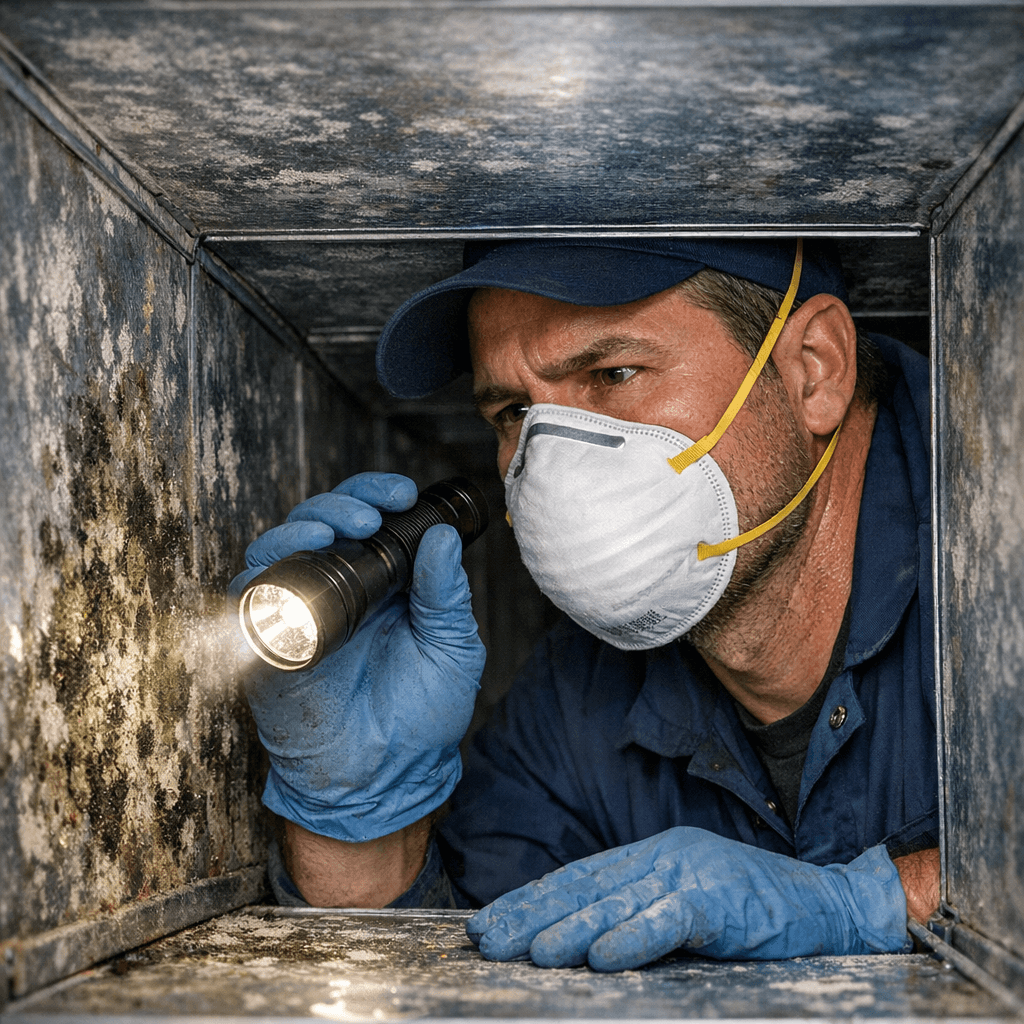
- Visible substantial mold growth inside hard ducts or on HVAC components
- Pest or vermin infestation in the ductwork (droppings, nesting material, odor)
- Ducts clogged with heavy dust or debris (often after renovation, fire, or smoke damage)
Additional Situations Where Cleaning Helps
- Filter bypass problems where debris has entered the system due to gaps around the filter
- Neglected systems where filters were missing or wrong size
- Visible debris in supply registers that re-enters the airflow
- Post-construction cleanup when protection wasn't adequate
When Cleaning Probably Won't Help
- Your ducts are relatively clean upon inspection
- Main issues are high humidity or musty odors from moisture problems
- Air leakage is pulling dusty attic or garage air into the system
- Filtration is poor (low-grade filters, infrequent changes)
Pro tip: Before committing to duct cleaning, request a visual inspection. A reputable company should show you evidence of contamination before recommending cleaning.
The Role of HEPA Filtration in Allergy Relief
HEPA (High-Efficiency Particulate Air) filtration is one of the most effective tools for allergy sufferers-and has stronger research support than duct cleaning.
Understanding HEPA Standards
True HEPA filters capture 99.97% of particles 0.3 microns or larger. This includes:
- Pollen (10-1000 microns)
- Mold spores (3-40 microns)
- Dust mite debris (10-40 microns)
- Pet dander (2.5-10 microns)
- Fine dust particles
HVAC Filtration Options
MERV-rated filters for your central HVAC system:
- EPA recommends at least MERV 13 for allergy concerns
- Higher ratings capture smaller particles but increase airflow resistance
- Check with your HVAC technician to ensure your system can handle higher-MERV filters
Portable HEPA air purifiers:
- Size them to your room using CADR (Clean Air Delivery Rate) guidelines
- Most effective in bedrooms and main living areas
- Run continuously for best results
Why Filtration Beats Duct Cleaning
Your HVAC filter actively cleans air every time the system runs. This continuous process is more effective at reducing airborne allergens than a one-time duct cleaning. However, filtration only works when:
- Filters are properly sized (no gaps for air bypass)
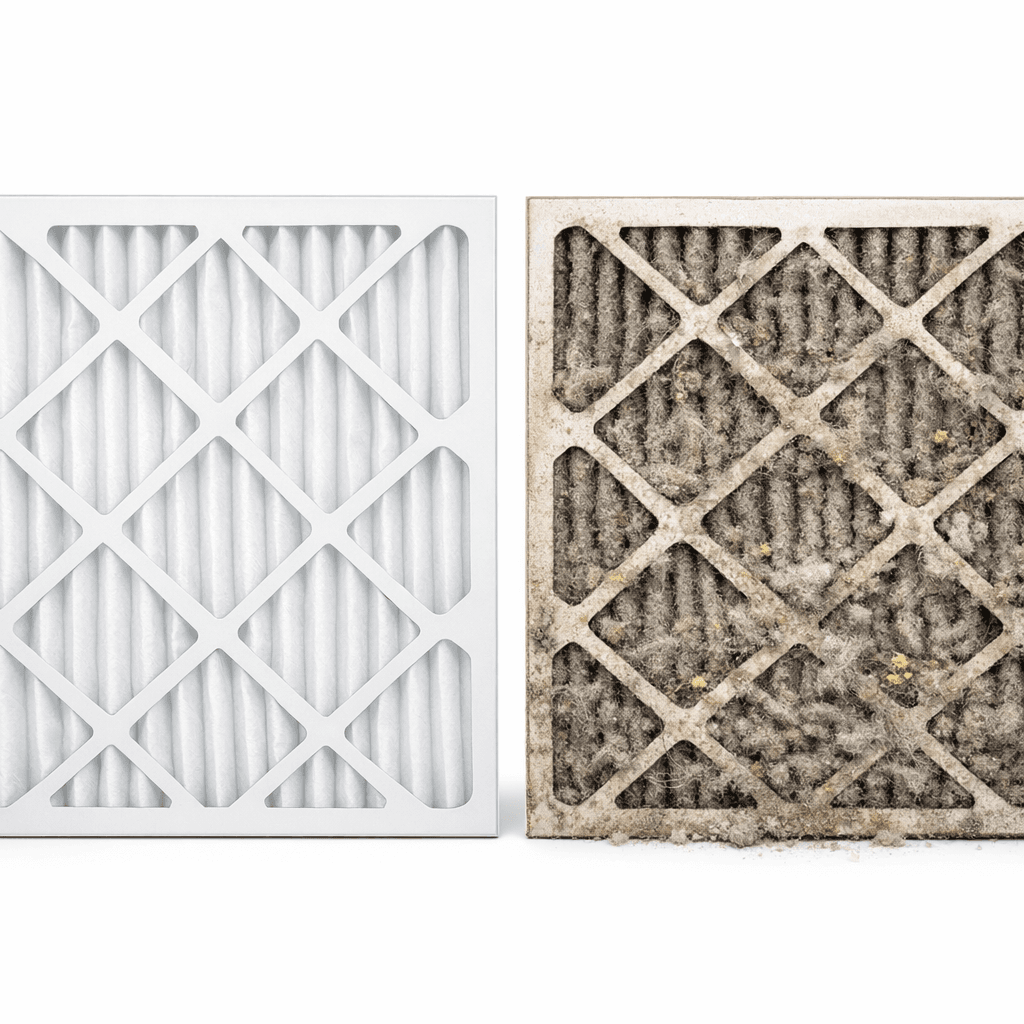
- Filters are changed regularly (every 1-3 months)
- The system runs enough hours to filter the air
Humidity Control: The Hidden Key for Florida Allergies
For Florida homes, humidity control is often the most important indoor air quality intervention-more impactful than duct cleaning for most allergy sufferers.
Target Humidity Levels
- EPA recommendation: Keep indoor relative humidity below 60%
- Florida Department of Health: Below 60%, ideally below 50%
- Optimal for dust mites and mold: 45-50% RH
Why Humidity Matters So Much
Dust mites cannot survive at humidity levels below 50%. Simply controlling moisture can dramatically reduce dust mite populations-and your exposure to their allergenic waste particles.
Mold growth slows significantly below 60% relative humidity. Florida's outdoor humidity often exceeds 80%, so active moisture management is essential.
Practical Humidity Control Steps
- Ensure your A/C is properly sized-oversized units cool quickly but don't run long enough to remove humidity
- Keep condensate drain lines clear to prevent backup and overflow
- Check for duct condensation ("sweating")-indicates insulation or humidity problems
- Use a dehumidifier if A/C alone can't maintain below 60% RH
- Fix any water intrusion immediately (roof leaks, plumbing issues, poor drainage)
What to Expect from Professional Air Duct Cleaning
If you do need air duct cleaning, here's what proper service includes:
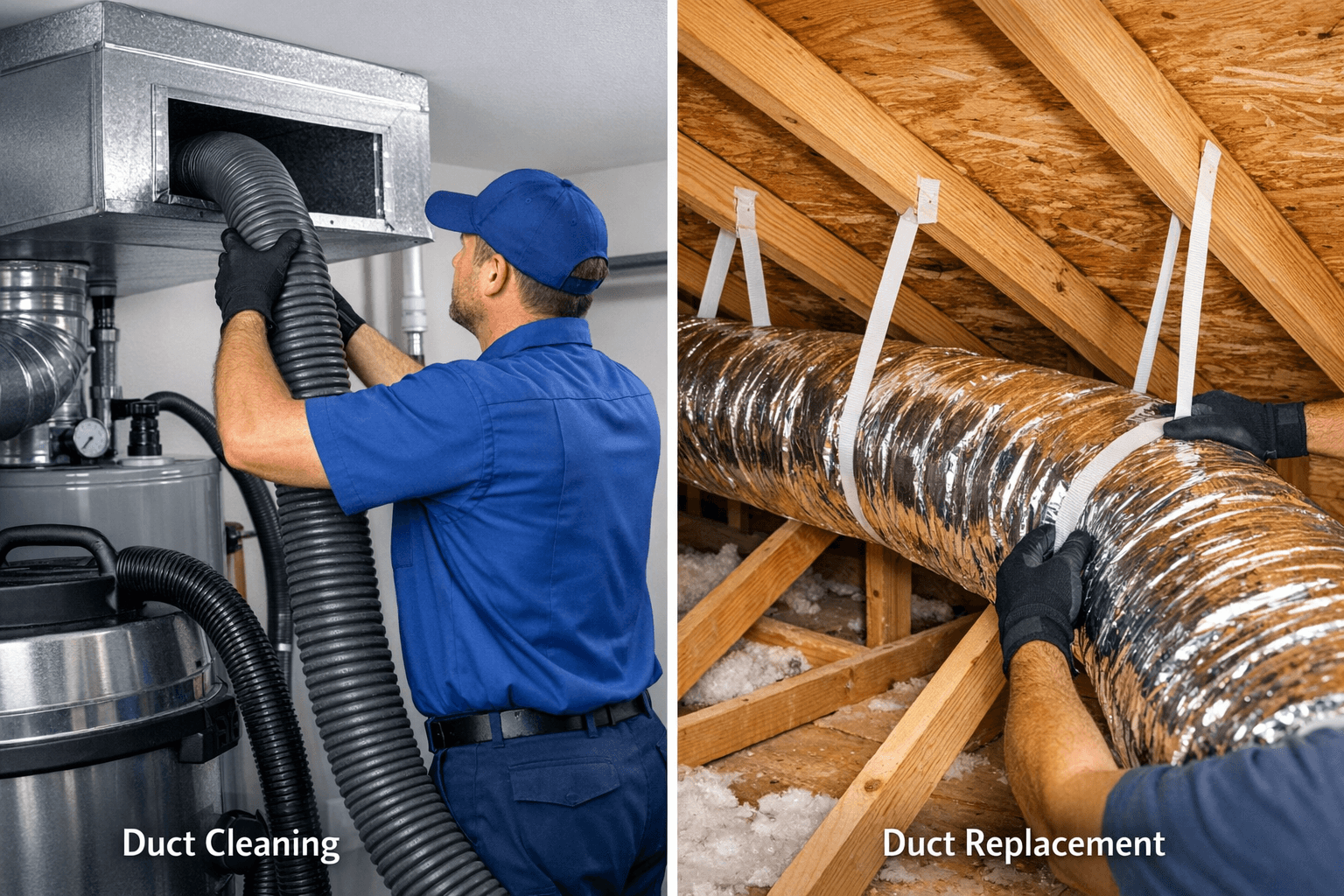
NADCA-Recommended Process
The National Air Duct Cleaners Association (NADCA) recommends:
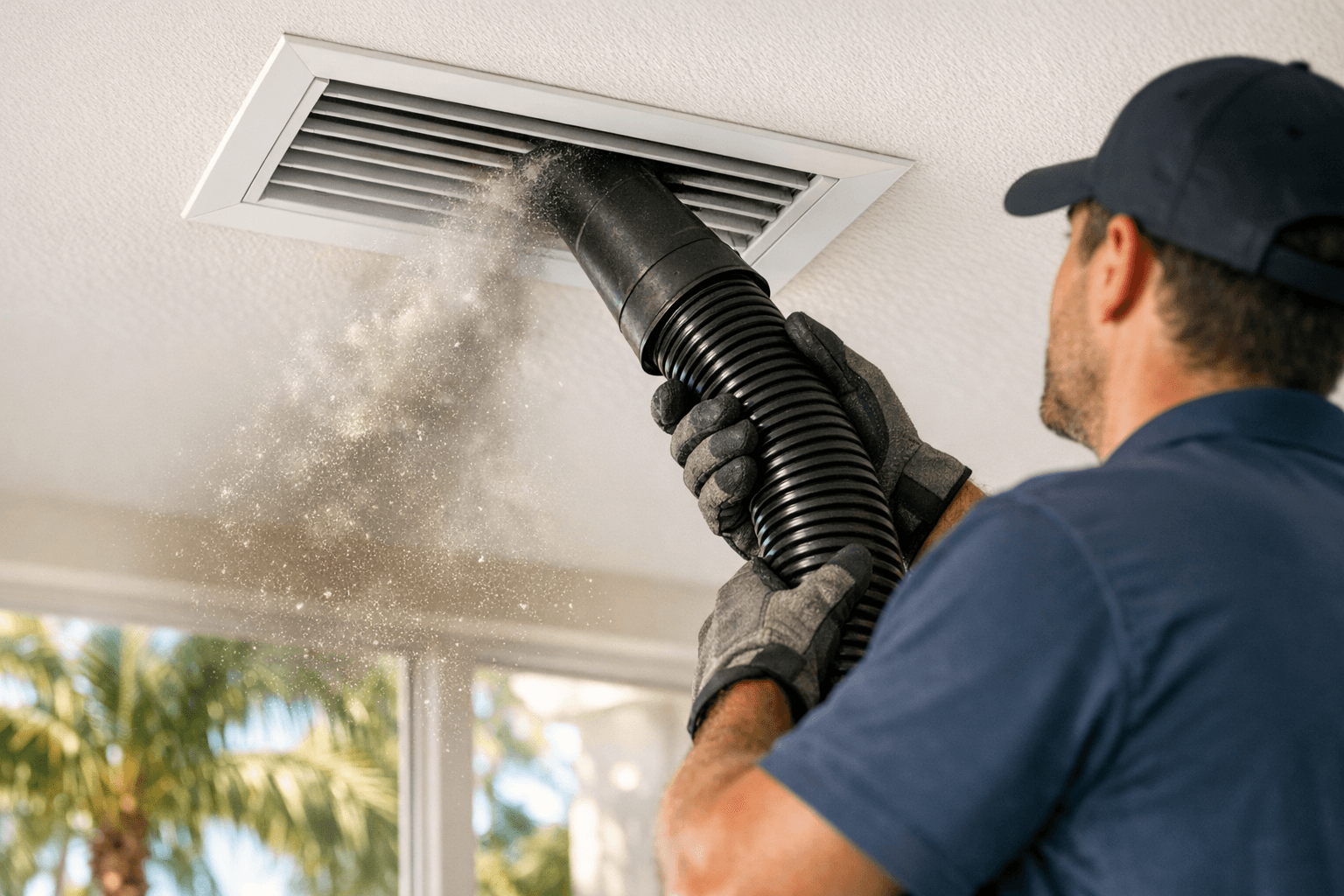
- Source removal under negative pressure-not "blow and go" methods
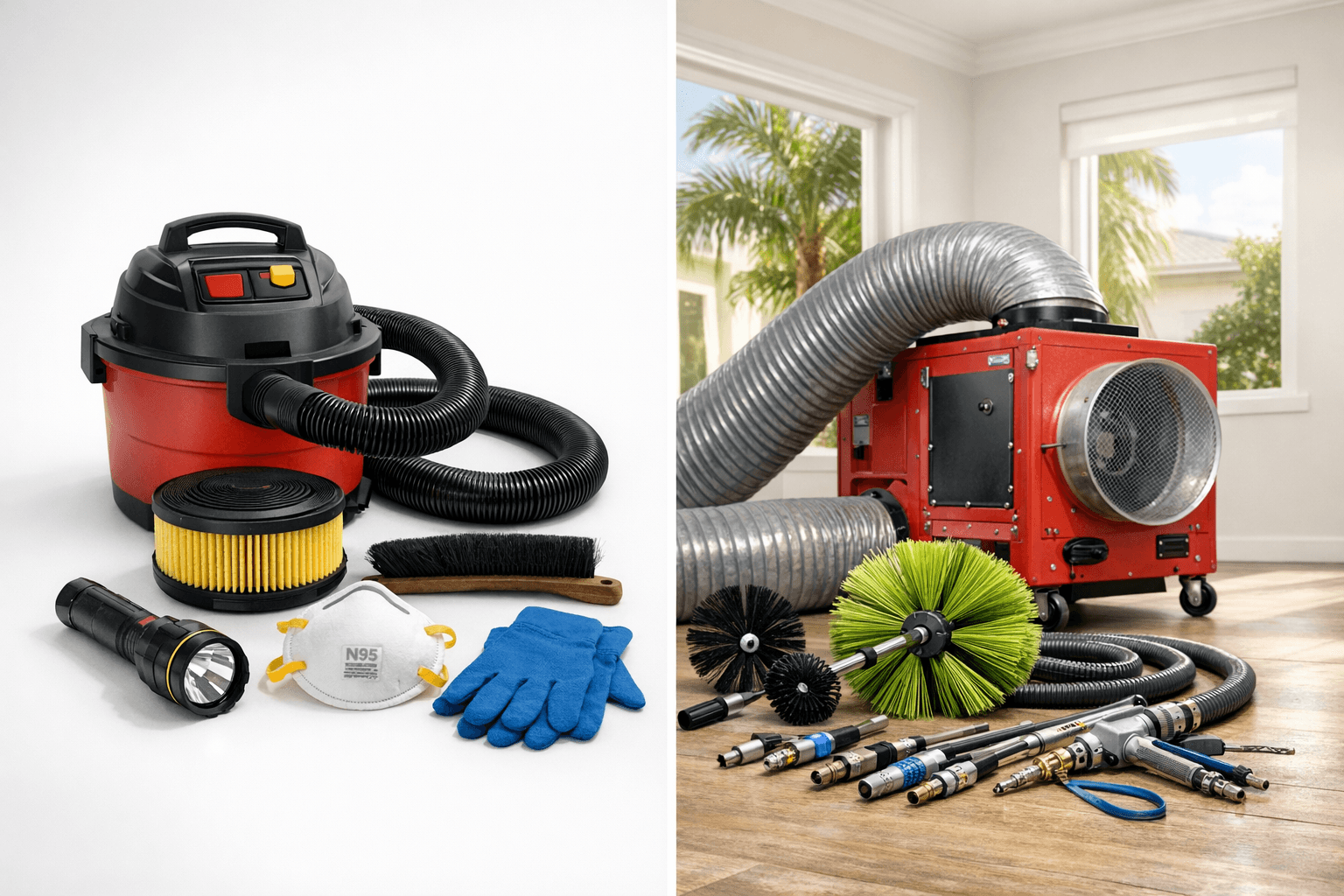
- Cleaning the entire HVAC system, not just ducts (coils, blower, drain pan)
- Access to all ductwork for thorough cleaning
- Before and after documentation with photos or video
Red Flags to Avoid
- $99 whole-house specials-legitimate cleaning costs $300-$700 in Florida
- Pressure to add chemical treatments without clear justification
- No inspection before quoting-reputable companies assess first
- Unable to show you the problem with photos or video
Safety Considerations for Allergy Sufferers
If someone in your household has severe allergies or asthma:
- Consider leaving during the cleaning as particle levels spike temporarily
- Ensure negative pressure containment is used throughout
- Avoid chemical biocides or sealants unless absolutely necessary with full disclosure of products used
- Change your HVAC filter immediately after cleaning is complete
More Effective Steps for Allergy Relief Than Duct Cleaning
Based on current research and ASHRAE guidelines, here's a prioritized list of interventions that typically help more than duct cleaning:
Priority 1: Filtration Improvements
- Upgrade to MERV 13 filters (or highest your system handles)
- Ensure proper filter fit with no bypass gaps
- Change filters every 1-3 months
- Consider portable HEPA purifiers for bedrooms
Priority 2: Humidity Control
- Target 45-50% relative humidity
- Maintain A/C and condensate systems
- Add dehumidification if needed
- Fix any moisture intrusion issues
Priority 3: Source Control
- Vacuum with HEPA-filtered vacuum weekly
- Wash bedding in hot water weekly
- Use allergen-proof mattress and pillow covers
- Keep pets out of bedrooms if pet-allergic
Priority 4: HVAC System Maintenance
- Clean blower compartment and evaporator coil
- Ensure condensate drain flows freely
- Check for and seal return-side air leaks
- Address any duct leaks pulling unconditioned air
Priority 5: Duct Cleaning (When Indicated)
- Only when visual inspection confirms contamination
- After renovation, pest problems, or filter failure
- Using NADCA-recommended methods
Frequently Asked Questions
Does air duct cleaning help with allergies immediately?
Not always. Research shows particle levels can actually increase temporarily during cleaning. If there's significant contamination, you may notice improvement once everything settles-typically 24-48 hours. However, many allergy triggers enter your home continuously through daily living, so duct cleaning alone rarely provides dramatic relief.
How often should allergy sufferers clean their air ducts?
There's no set schedule. The EPA recommends cleaning only when needed-visible mold, pest infestation, or heavy debris. Focus on regular filter changes (every 1-3 months) and annual HVAC maintenance instead of routine duct cleaning.
What's the best filter for allergies?
MERV 13 or higher captures most common allergens effectively. True HEPA filters in portable units provide even finer filtration. Ensure your HVAC system can handle higher-MERV filters without airflow restrictions.
Why do my allergies seem worse in air conditioning?
Several possibilities: dirty filters, mold in the system, low humidity irritating airways, or return leaks pulling dusty air from attics/garages. Have your system inspected rather than assuming duct cleaning is the answer.
Is duct cleaning worth it for asthma sufferers?
Only when there's confirmed contamination. Research doesn't support routine cleaning for asthma management. Better investments: HEPA filtration, humidity control, removing triggers from bedrooms, and proper HVAC maintenance.
What's the difference between HEPA and MERV filters?
MERV (Minimum Efficiency Reporting Value) rates HVAC filters from 1-20. HEPA is a separate standard requiring 99.97% capture of 0.3-micron particles-roughly equivalent to MERV 17+. Central HVAC systems typically can't use true HEPA due to airflow resistance, but MERV 13-16 provides excellent allergen reduction.