What Is an Air Handler? HVAC Component Guide for Florida Homeowners
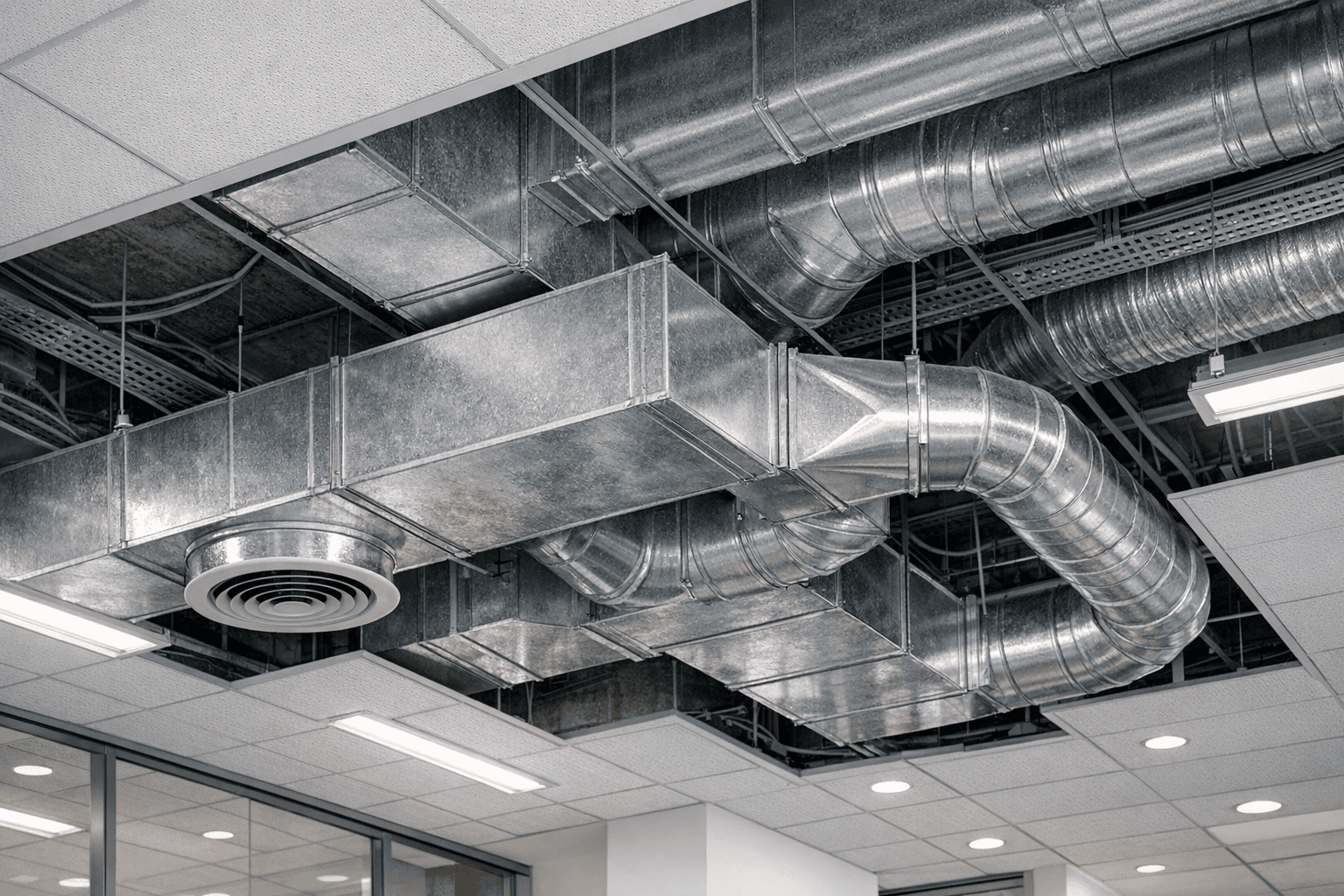
An air handler is the indoor unit of your central HVAC system that circulates conditioned air throughout your home via ductwork. It contains the blower motor, evaporator coil, air filter, and other components that work together to move and condition the air you breathe.
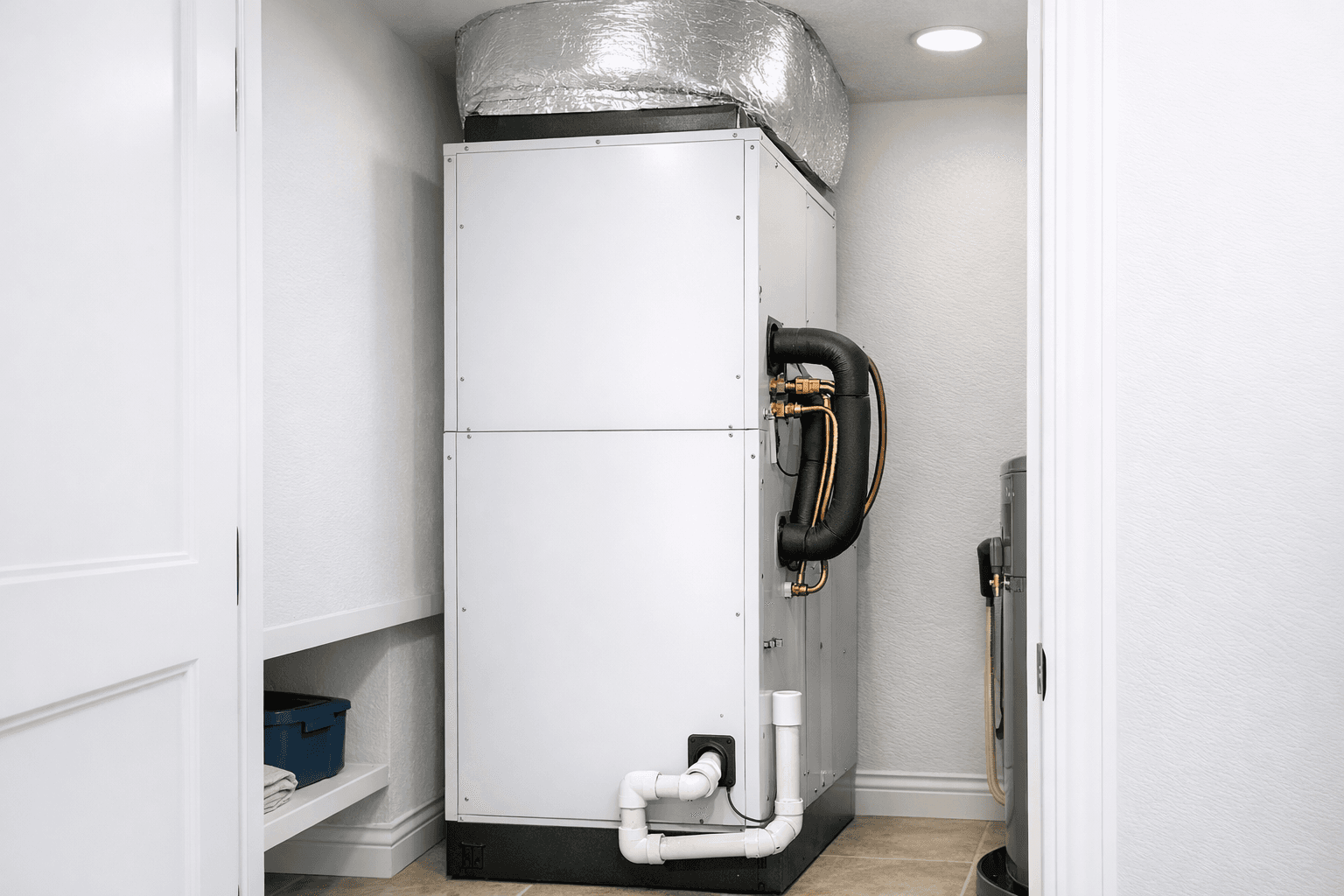
If you have a split-system air conditioner or heat pump in Florida, you almost certainly have an air handler-even if you've never heard the term. It's the large metal cabinet (usually in a closet, attic, or garage) that connects to your ductwork and works alongside your outdoor unit.
This guide explains what an air handler is, how it works, its main components, maintenance requirements, common problems, and what to expect in terms of lifespan.
Need HVAC help in Florida? Call Pro Air Chimney at 813-513-7861 or schedule service at https://proairchimney.com/contact.
Table of Contents
- What is an air handler?
- Air handler vs furnace: what's the difference?
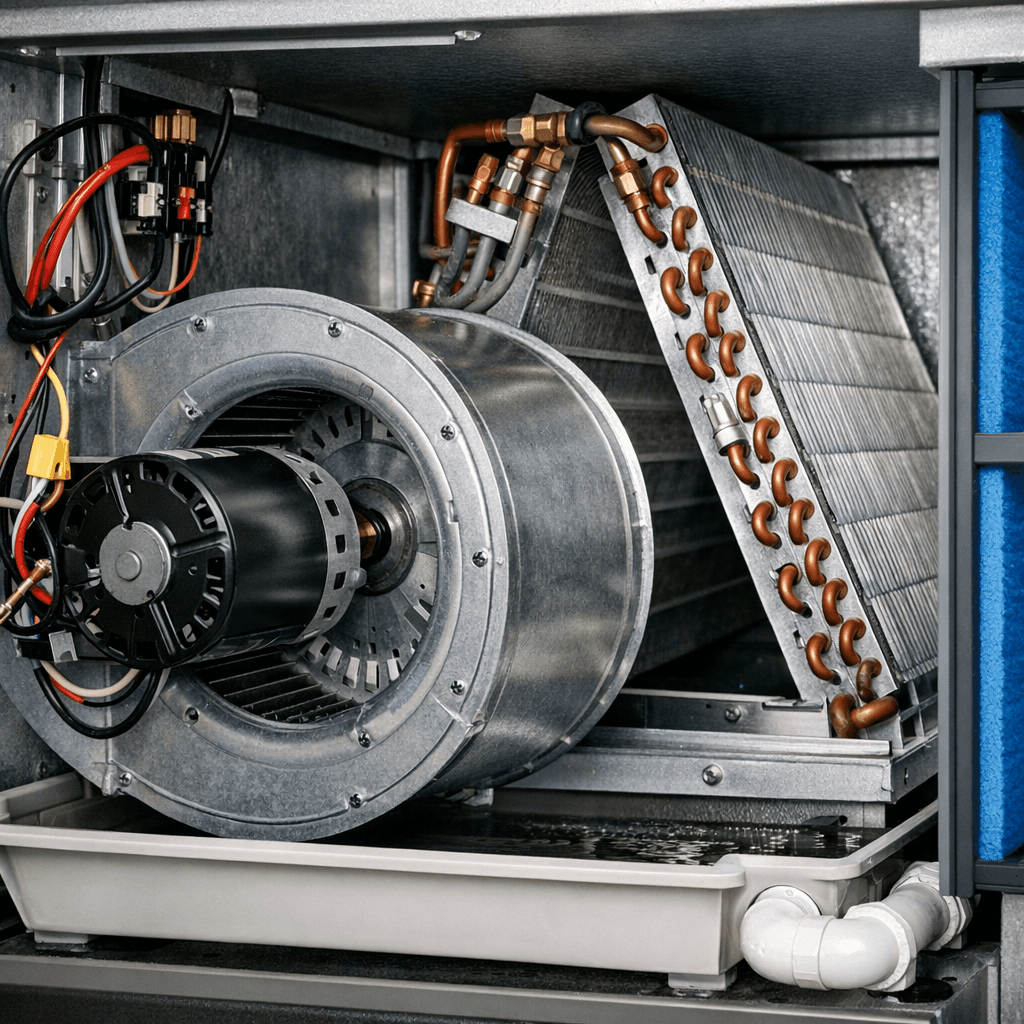
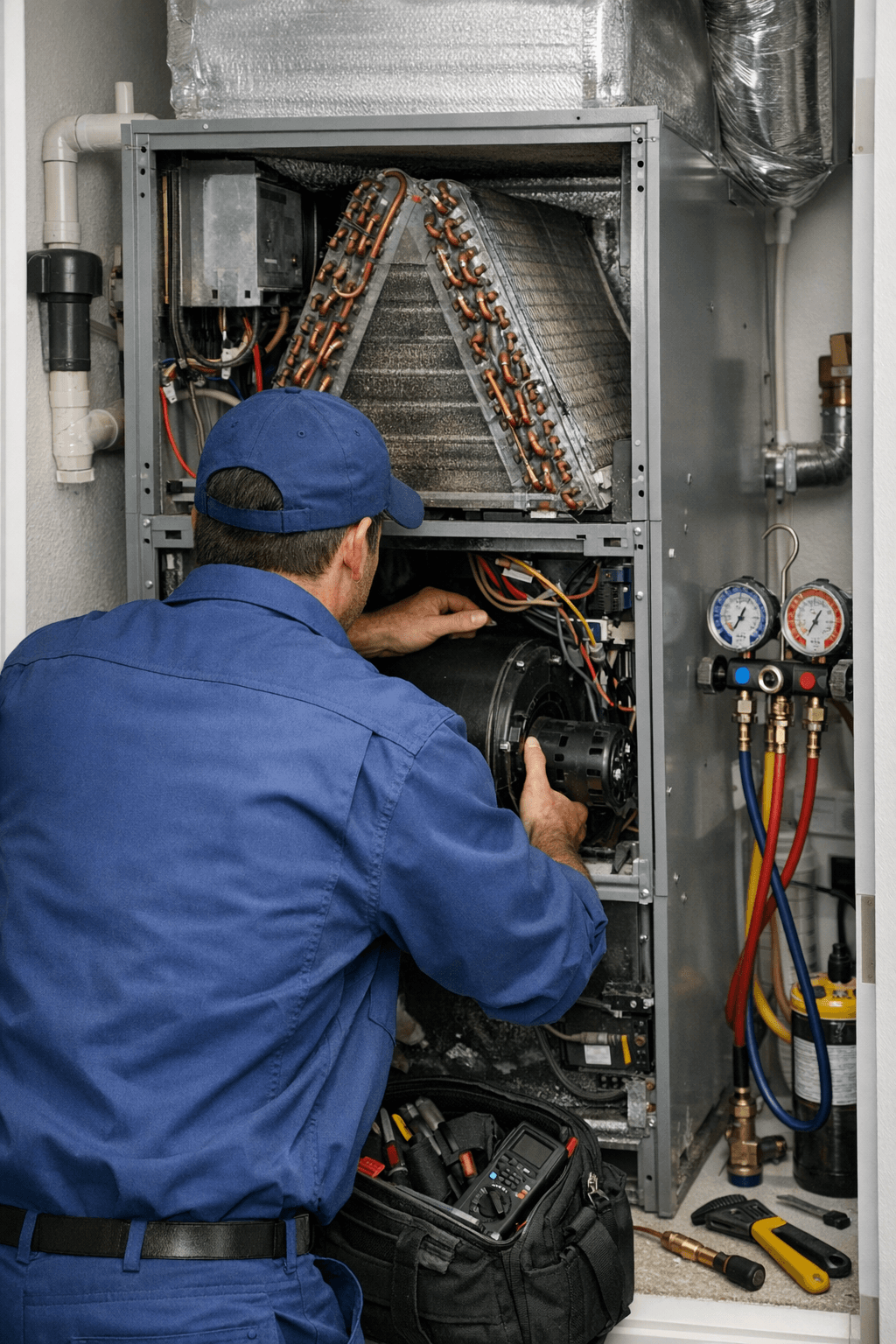
- Main components of an air handler
- How an air handler works
- Air handler maintenance requirements
- Common air handler problems
- Air handler lifespan and replacement
- Signs your air handler needs attention
- Air handler costs in Florida
- FAQ
- Sources
What is an air handler?
An air handler (sometimes called an air handling unit or AHU) is the indoor portion of a split HVAC system. Think of it as the "lungs" of your heating and cooling system-it pulls in return air from your home, conditions that air (cooling, heating, or dehumidifying), and then pushes the treated air back through your supply ducts.
In Florida homes, air handlers are almost universally paired with:
- Central air conditioners (air handler provides cooling airflow)
- Heat pumps (air handler handles both heating and cooling)
The air handler works in tandem with your outdoor unit (condenser/compressor). The outdoor unit handles the heat exchange with outside air, while the air handler manages indoor air circulation and distribution.
Where you'll typically find an air handler in Florida:
- Garage (most common in Florida)
- Utility closet
- Attic
- Dedicated mechanical room
Unlike a furnace (which generates heat by burning fuel), an air handler doesn't create heating or cooling on its own. It moves and distributes the conditioned air produced by the refrigeration cycle or supplemental electric heat strips.
Air handler vs furnace: what's the difference?
Many homeowners confuse air handlers with furnaces because both are indoor HVAC components. Here's the key distinction:
| Feature | Air Handler | Furnace |
|---|---|---|
| Primary function | Circulates air | Generates heat |
| Heat source | Electric strips (backup) or heat pump | Burns gas, oil, or propane |
| Cooling capability | Yes (with AC or heat pump) | Requires separate AC coil |
| Common in Florida | Very common | Less common |
| Fuel requirement | Electricity only | Gas line or fuel supply |
In Florida, air handlers paired with heat pumps are the dominant setup. Heat pumps efficiently handle both cooling (most of the year) and heating (during mild cold snaps). Electric heat strips inside the air handler provide backup heat when temperatures drop below heat pump efficiency range.
Furnaces are more common in northern climates where sustained cold temperatures make gas heating more economical. Some Florida homes have furnaces, but they're the exception rather than the rule.
If you're unsure what you have, look at your indoor unit:
- Air handler: Large cabinet with blower, no burner or flue pipe
- Furnace: Has a burner assembly, venting/flue pipe, and gas connection
Main components of an air handler
Understanding what's inside your air handler helps you recognize maintenance needs and potential problems.
Blower motor and fan
The blower motor is the heart of air circulation. It powers a fan (usually a squirrel-cage style) that pulls air through the return duct, pushes it across the coil, and sends it into your supply ducts.
Types of blower motors:
- Single-speed: Runs at one speed (on or off)
- Multi-speed: Has several speed settings the system can select
- Variable-speed (ECM): Adjusts speed continuously for efficiency and comfort
Variable-speed motors are increasingly common in modern systems. They run quieter, use less electricity, and provide more consistent temperatures and humidity control-particularly valuable in Florida's humid climate.
Evaporator coil
The evaporator coil is where cooling actually happens. Cold refrigerant flows through the coil, and warm air from your home passes over it. The coil absorbs heat (and moisture) from the air, leaving cooler, drier air to circulate back through your home.
Key points about evaporator coils:
- Made of copper or aluminum tubing with fins
- Can freeze if airflow is restricted or refrigerant is low
- Accumulates dust over time (reducing efficiency)
- Located inside the air handler cabinet
Air filter
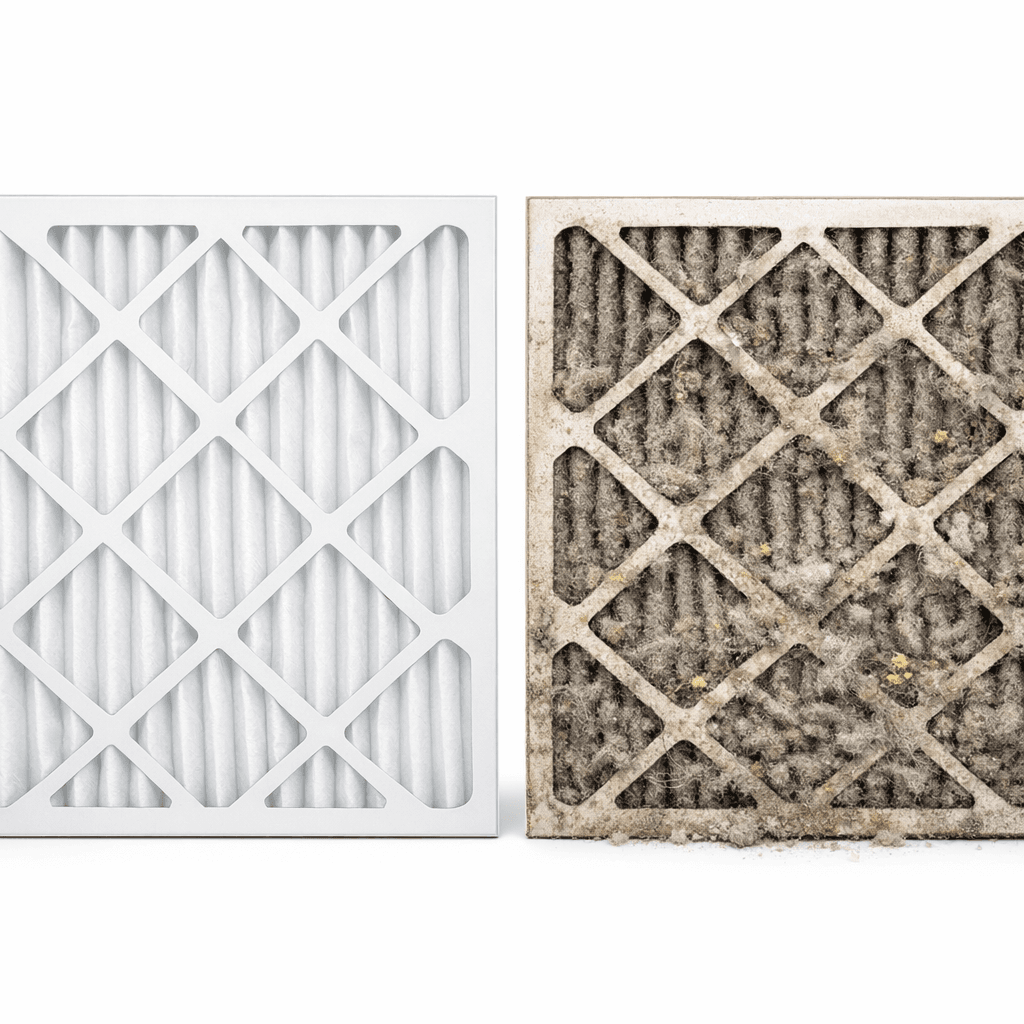
The air filter captures dust, pollen, pet dander, and other particles before they reach the evaporator coil and ductwork. Filters protect equipment and improve indoor air quality.
Common filter locations:
- Slot in the air handler cabinet
- Return air grille (wall or ceiling mounted)
- Both locations (some systems)
Filter types range from basic fiberglass (MERV 1-4) to high-efficiency pleated filters (MERV 8-13) and HEPA-style options. Florida homeowners often benefit from MERV 8 or higher due to pollen, humidity, and dust.
Drain pan and condensate line
When the evaporator coil cools air, it also removes moisture (dehumidification). This moisture drips into a drain pan and flows out through the condensate drain line.
In Florida's humid climate, air handlers can produce 5-20 gallons of condensate per day during summer. A clogged drain line is one of the most common air handler problems-it can cause water damage, trigger safety switches, and promote mold growth.
Electric heat strips (auxiliary heat)
Most Florida air handlers include electric resistance heat strips for supplemental heating. When the heat pump can't keep up (very cold nights) or during defrost cycles, the heat strips provide backup heat.
Heat strips are essentially large electric heating elements. They're effective but expensive to operate compared to heat pump heating.
Control board and wiring
The control board is the air handler's brain-it receives signals from the thermostat and coordinates blower operation, heat strip activation, and safety shutoffs.
Other electrical components include:
- Capacitors (help start and run the blower motor)
- Relays (switch power to various components)
- Safety switches (shut down system if problems occur)
How an air handler works
Here's the step-by-step process of how your air handler conditions your home:
Cooling mode (most of the year in Florida)
- Return air intake: The blower pulls warm, humid air from your home through return ducts
- Filtration: Air passes through the filter, removing particles
- Cooling and dehumidification: Air flows across the cold evaporator coil, transferring heat to the refrigerant and condensing moisture
- Distribution: The blower pushes cooled, dehumidified air into supply ducts
- Circulation: Conditioned air enters rooms through supply registers, displacing warm air that returns to the system
Heating mode (heat pump systems)
The process reverses:
- The outdoor unit extracts heat from outside air (yes, even cold air contains heat)
- Refrigerant carries this heat to the evaporator coil (now acting as a condenser)
- The blower moves air across the warm coil
- Heated air circulates through your home
If outdoor temperatures drop too low for efficient heat pump operation, electric heat strips activate to supplement heating.
The refrigeration cycle connection
The air handler doesn't work alone. It's connected to the outdoor unit by:
- Refrigerant lines (copper tubing carrying refrigerant)
- Electrical wiring (communication and power)
Refrigerant constantly cycles between the indoor and outdoor units, absorbing heat inside (cooling mode) or releasing heat inside (heating mode).
Air handler maintenance requirements
Regular maintenance keeps your air handler efficient, extends its lifespan, and prevents costly repairs.
Homeowner maintenance tasks
Change or clean air filters regularly
- Check monthly during heavy use (Florida summers)
- Replace 1" filters every 1-3 months
- Replace 4-5" media filters every 6-12 months
- A dirty filter restricts airflow, strains the blower, and can cause coil freezing
Keep the area around the air handler clear
- Maintain 2-3 feet of clearance for airflow and service access
- Don't store items against or on top of the unit
- Ensure the unit has adequate ventilation (especially in closets)
Check the condensate drain periodically
- Look for water in the drain pan (shouldn't be standing water)
- Ensure the drain line isn't clogged
- Pour a cup of white vinegar down the drain line every few months to prevent algae buildup
Listen for unusual sounds
- Normal: Steady airflow sound when running
- Abnormal: Squealing, grinding, rattling, or clicking
Professional maintenance (annual tune-up)
Schedule professional maintenance at least once per year-ideally before Florida's intense cooling season begins.
What a technician should do:
- Inspect and clean the evaporator coil
- Check refrigerant levels and pressures
- Test blower motor operation and amp draw
- Inspect electrical connections and tighten as needed
- Verify drain pan and line operation
- Test safety controls
- Check heat strip operation (before heating season)
- Evaluate overall system performance
Why coil cleaning matters:
Dust accumulates on evaporator coil surfaces over time. According to HVAC manufacturers like Trane, a dirty coil can reduce efficiency by 10-25% and cause longer run times, higher bills, and premature equipment failure.
For professional air duct and system maintenance, see /services/air-duct-cleaning.
Common air handler problems
Recognizing symptoms early can prevent minor issues from becoming major repairs.
Clogged condensate drain
Symptoms:
- Water leaking from the air handler
- Unit shuts off unexpectedly (float switch activated)
- Musty or moldy odor near the unit
- Water stains on ceiling (if unit is in attic)
Cause: Algae, mold, or debris blocks the drain line
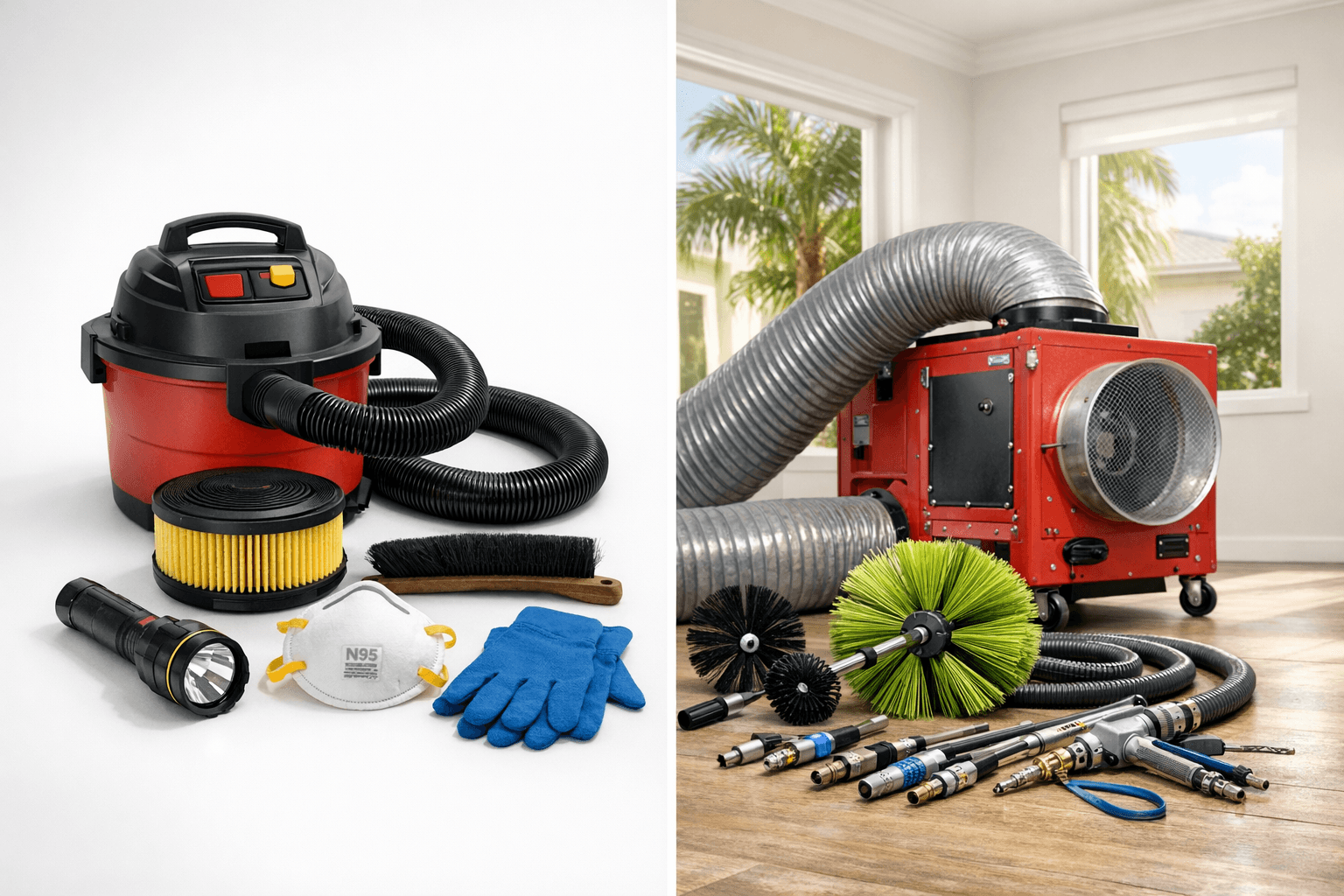
Solution: Clear the clog with a wet/dry vacuum or compressed air; pour vinegar down the line to prevent future buildup
Dirty or frozen evaporator coil
Symptoms:
- Reduced cooling capacity
- Ice visible on refrigerant lines or coil
- Higher energy bills
- Longer run times
Causes:
- Dirty filter restricting airflow
- Dirty coil reducing heat transfer
- Low refrigerant (indicates a leak)
Solution: Replace filter, have coil professionally cleaned, and check refrigerant if freezing persists
Blower motor failure
Symptoms:
- No airflow from vents (system may still run outside)
- Weak airflow
- Squealing or grinding sounds
- Burning smell
Causes:
- Worn bearings
- Failed capacitor
- Overheating from dirty conditions
- Electrical failure
Solution: Professional diagnosis-may need motor repair, capacitor replacement, or full motor replacement
Refrigerant leak
Symptoms:
- Reduced cooling
- Coil freezing
- Hissing sound near the air handler
- Higher humidity indoors
Cause: Corrosion, vibration damage, or manufacturing defect in coil or refrigerant lines
Solution: Professional leak detection and repair; refrigerant recharge
Electrical problems
Symptoms:
- Unit won't start
- Intermittent operation
- Tripped breakers
- Burning smell
Causes:
- Failed capacitor
- Loose wiring connections
- Control board failure
- Faulty relay
Solution: Professional electrical diagnosis and repair
Air handler lifespan and replacement
Expected lifespan
A well-maintained air handler typically lasts 10-15 years in Florida. However, lifespan varies based on:
- Usage intensity: Florida's year-round AC use means more wear than seasonal climates
- Maintenance history: Regular maintenance extends life; neglect shortens it
- Installation quality: Proper sizing and installation matter significantly
- Environmental factors: Coastal salt air, humidity, and dust affect components
The evaporator coil specifically may last 10-15 years with proper maintenance, according to industry sources.
Signs it's time to replace
Consider replacement when:
- Age exceeds 15 years (especially with increasing repair costs)
- Repair costs approach 50% of replacement cost
- R-22 refrigerant system (R-22 is phased out and expensive)
- Frequent breakdowns (more than 2-3 repairs per year)
- Efficiency decline (noticeably higher bills with same use)
- Comfort problems that persist despite repairs
Replacement considerations
When replacing an air handler, consider:
- Matching components: The air handler should match your outdoor unit's capacity and refrigerant type
- Efficiency upgrades: Variable-speed blowers improve comfort and efficiency
- Ductwork evaluation: Old ducts may need sealing or replacement
- Sizing: Proper sizing is critical-oversized units short-cycle and under-dehumidify
For duct system evaluation, see /services/duct-repair.
Signs your air handler needs attention
Call for service if you notice:
- Water pooling around the unit
- Ice on refrigerant lines
- Unusual sounds (grinding, squealing, banging)
- Burning or electrical smell
- Inconsistent temperatures room to room
- System running constantly without reaching set temperature
- Humidity problems despite AC running
- Unexplained increase in energy bills
- Frequent cycling on and off
Immediate attention required:
- Burning smell (turn off system)
- Water damage from overflow
- No airflow at all
Florida Homeowners: For air handler service, duct cleaning, or system inspections, contact Pro Air Chimney at 813-513-7861 or visit https://proairchimney.com/contact.
Air handler costs in Florida
Repair costs (typical ranges)
| Repair | Cost Range |
|---|---|
| Condensate drain clearing | $75-$150 |
| Capacitor replacement | $150-$300 |
| Blower motor repair/replacement | $300-$700 |
| Evaporator coil cleaning | $100-$400 |
| Refrigerant leak repair | $200-$1,500+ |
| Control board replacement | $300-$600 |
Replacement costs
- Air handler only: $1,500-$3,500 (unit + installation)
- Complete system (air handler + outdoor unit): $5,000-$12,000+
Factors affecting cost:
- Unit size (tonnage)
- Efficiency rating
- Brand
- Installation complexity
- Ductwork modifications needed
Always get multiple quotes and verify contractor licensing and insurance.
FAQ
What is an air handler in HVAC?
An air handler is the indoor component of a split HVAC system that circulates conditioned air through your home's ductwork. It contains the blower motor, evaporator coil, air filter, and other components that move and distribute heated or cooled air.
Is an air handler the same as an AC unit?
No. The air handler is the indoor unit that circulates air. The AC unit (condenser) is the outdoor unit that handles heat exchange. Together, they form a complete air conditioning system.
Where is the air handler located?
In Florida homes, air handlers are typically located in the garage, a utility closet, or the attic. They need to be accessible for maintenance and connected to the ductwork system.
How often should an air handler be serviced?
Air handlers should receive professional maintenance at least once per year. Filters should be checked monthly and replaced every 1-3 months (or per manufacturer recommendations). The condensate drain should be flushed every few months in humid climates.
How long does an air handler last?
A well-maintained air handler typically lasts 10-15 years in Florida. Lifespan depends on usage, maintenance, installation quality, and environmental conditions.
What's the difference between an air handler and a furnace?
An air handler circulates air and may include electric heat strips for supplemental heating. A furnace generates heat by burning fuel (gas, oil, or propane). Air handlers are more common in Florida where heat pumps handle most heating needs.
Why is water dripping from my air handler?
Water usually drips from a clogged condensate drain line. The air handler removes humidity from the air, and this moisture should drain away. When the drain clogs, water backs up and can overflow. Check and clear the drain line, or call for service.
Can I clean my air handler myself?
You can change filters, clear minor drain clogs, and keep the area clean. However, coil cleaning, electrical repairs, and refrigerant work require professional service. Improper cleaning can damage components or void warranties.