New Construction Air Duct Cleaning: Why New Homes Need It
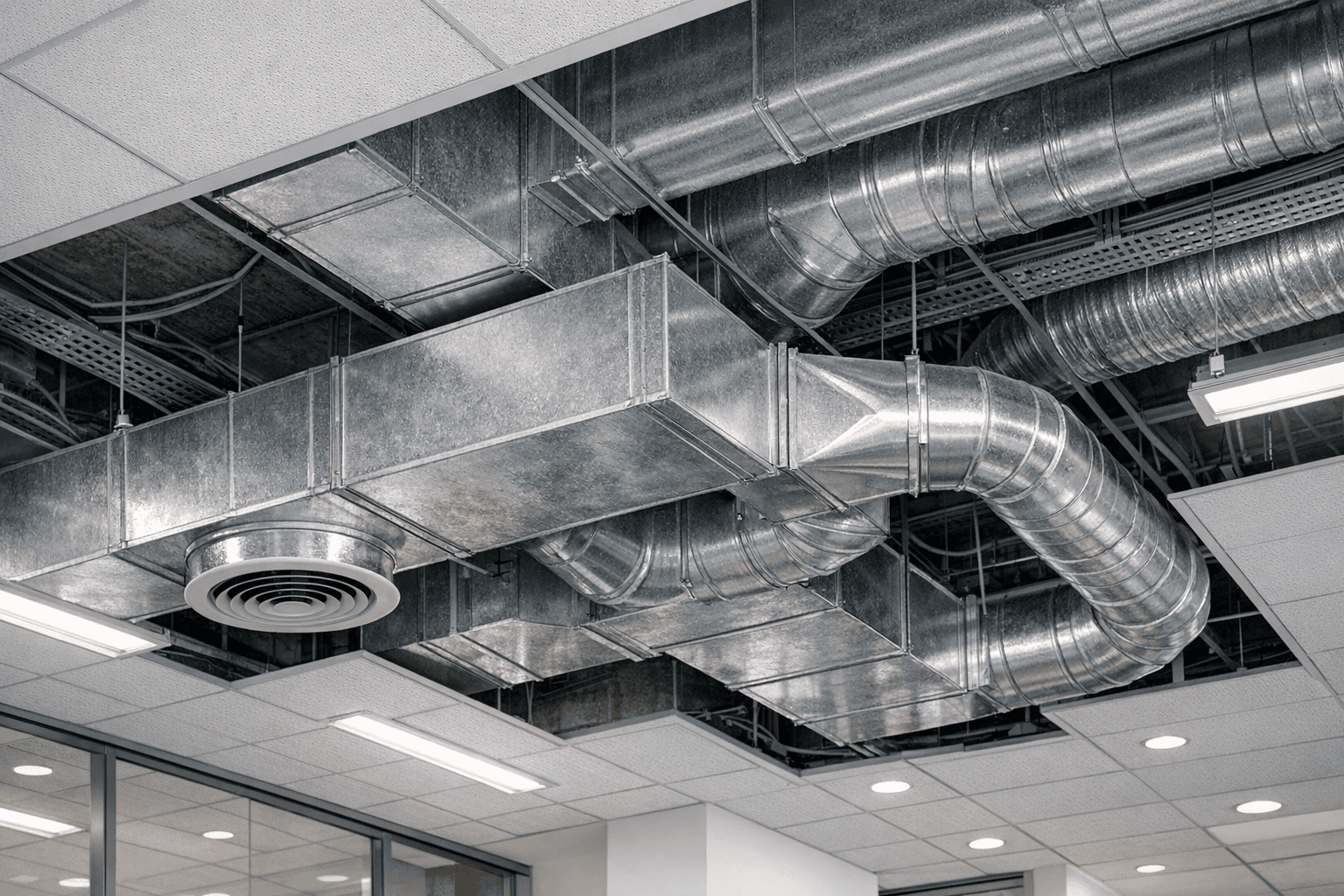
Moving into a brand new home is exciting-everything is fresh, clean, and untouched. But here's something most new homeowners don't realize: your new home's air ducts may already be contaminated. Construction debris, drywall dust, and leftover materials commonly accumulate in HVAC systems during the building process, potentially affecting your indoor air quality from day one.
This comprehensive guide explains why new construction homes often need duct cleaning, what types of debris accumulate, when to schedule cleaning, and what Florida homeowners specifically need to know about builder responsibilities and warranty coverage.
Table of Contents
- Why New Homes Have Dirty Ducts
- Types of Construction Debris in Ductwork
- Health and System Impacts
- When to Clean After Construction
- Builder Responsibilities and Warranty Coverage
- Florida New Construction Considerations
- How to Inspect Your New Home's Ducts
- Professional Cleaning Process
- Cost Considerations
- Prevention During Construction
- FAQs
- Sources
Why New Homes Have Dirty Ducts
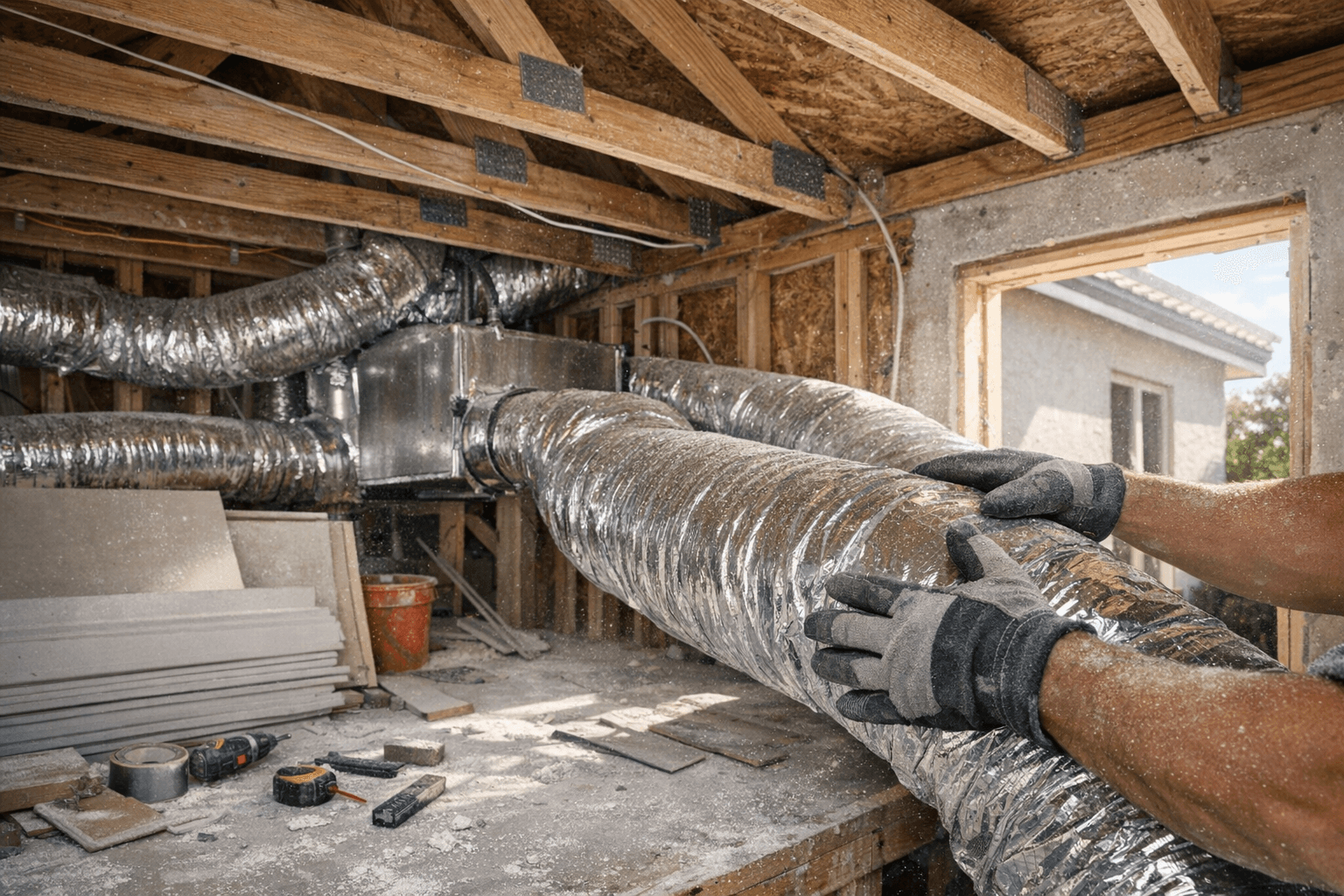
The image of a brand-new home being perfectly clean is often misleading when it comes to the HVAC system. During construction, ductwork is typically installed early in the building process-often before walls are finished, painting is complete, or final cleaning occurs.
The Construction Timeline Problem
Here's what commonly happens during new home construction:
- Ductwork Installation: Ducts are installed while the home is still an open construction site
- Drywall Phase: Drywall is hung, taped, and sanded-creating clouds of fine dust
- Painting and Finishing: Paint overspray and finishing materials become airborne
- HVAC Testing: The system may be run to test functionality while dust is still present
- Final Cleanup: Surface cleaning occurs, but ducts often remain untouched
According to the EPA, if your HVAC system was operated during construction activities-particularly during drywall sanding-there's a significant chance that debris was pulled into the return ducts and distributed throughout the system.
Common Construction Practices That Contaminate Ducts
Several standard building practices contribute to duct contamination:
- Running HVAC during dusty work: Contractors may run the system for temperature control or testing while dusty activities continue
- Unsealed register openings: Supply and return registers left open during construction become entry points for debris
- Unprotected duct ends: Open duct connections collect construction materials
- Worker debris: Lunch wrappers, drink containers, and other items occasionally end up in ductwork
The Building America Program from the Department of Energy specifically recommends that contractors should not operate HVAC equipment during drywall hanging, sanding, or sawing and that all openings should be covered during dusty construction phases.
Types of Construction Debris in Ductwork
Understanding what's potentially in your new home's ducts helps you make informed decisions about cleaning and inspection.
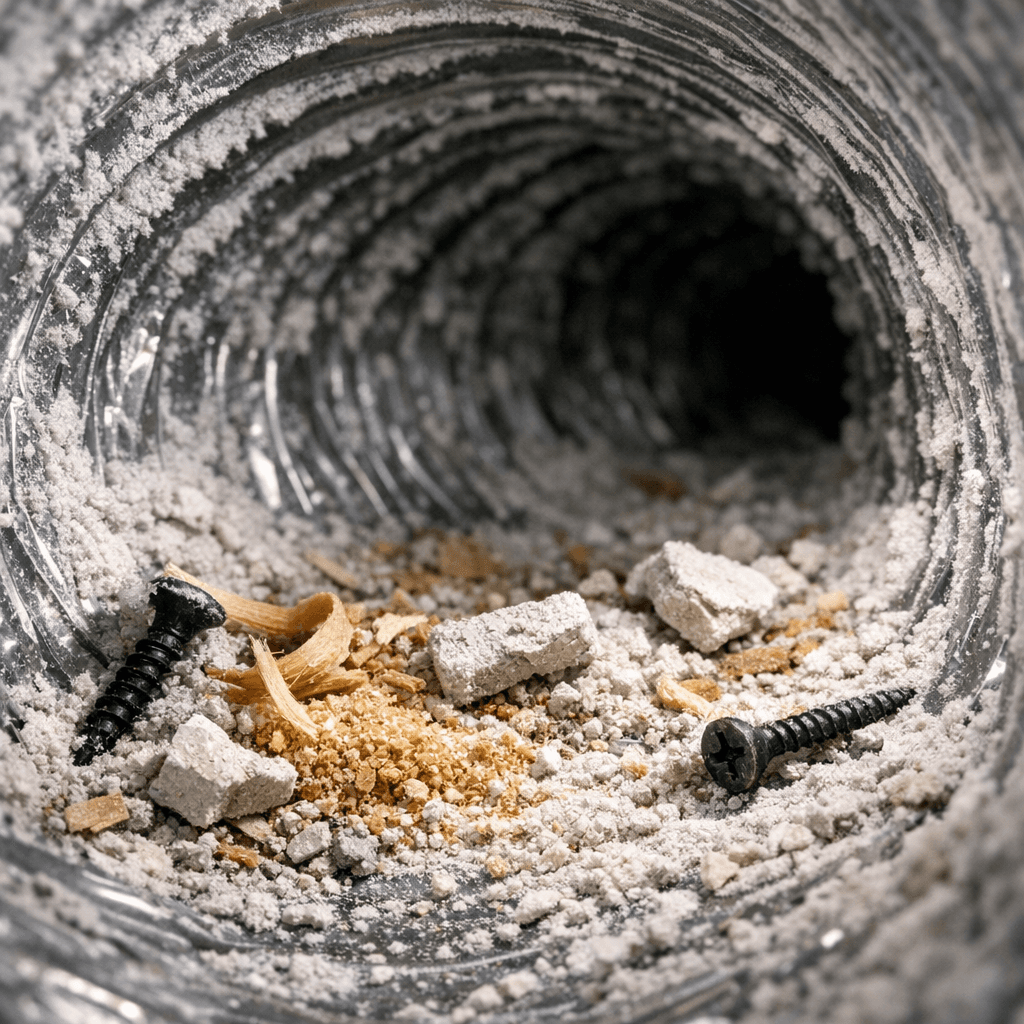
Drywall Dust
Drywall dust is the most common contaminant in new construction ductwork:
- Composition: Gypsum (calcium sulfate), silica, and various additives
- Particle Size: Extremely fine particles (2-10 microns) that easily become airborne
- Health Concerns: Can irritate respiratory passages, aggravate asthma, and cause eye irritation
- System Impact: Accumulates on coils, filters, and blower components, reducing efficiency
Drywall dust is particularly problematic because it's so fine that standard filters often don't capture it effectively, allowing it to circulate throughout your new home.
Sawdust and Wood Shavings
Wood debris from framing, trim work, and cabinetry installation:
- Sources: Cutting lumber, installing trim, drilling holes for wiring and plumbing
- Characteristics: Larger particles that settle in duct bottoms and turns
- Concerns: Can create blockages and provide organic material for mold growth
Insulation Particles
Fiberglass and other insulation materials commonly enter ductwork:
- Fiberglass Fibers: From batt insulation and duct wrap
- Cellulose Particles: From blown-in insulation if ducts were left open
- Health Impact: Fiberglass fibers can cause skin, eye, and respiratory irritation
Miscellaneous Construction Materials
Other debris commonly found in new construction ducts includes:
| Material | Source | Concern |
|---|---|---|
| Paint overspray | Interior painting | VOC off-gassing |
| Concrete dust | Foundation work | Respiratory irritant |
| Metal shavings | HVAC installation | Potential for rust |
| Plastic fragments | Packaging, wire stripping | Generally inert |
| Screws and fasteners | General construction | Can damage blower components |
| Food wrappers | Construction crews | Pest attraction |
Moisture and Mold Potential
In Florida's humid climate, construction moisture combined with organic debris creates ideal conditions for mold growth:
- Wet building materials: Lumber and drywall may be installed with elevated moisture content
- Condensation: AC systems running in partially enclosed structures can create condensation
- Stagnant air: Ducts installed but not operating can develop musty conditions
Health and System Impacts
Construction debris in ductwork affects both occupant health and HVAC system performance.
Health Concerns
New homeowners may experience:
- Respiratory irritation: Coughing, sneezing, and throat irritation from airborne particles
- Allergy-like symptoms: Runny nose, itchy eyes, and congestion
- Asthma aggravation: Fine particles can trigger asthma attacks in sensitive individuals
- Dust accumulation: White or gray dust settling on surfaces shortly after move-in
Many homeowners attribute these symptoms to "new home smell" or moving stress, when the actual cause may be construction debris circulating through the HVAC system.
HVAC System Impacts
Construction debris affects your new system's performance:
- Reduced airflow: Debris accumulation restricts air movement
- Increased energy costs: The system works harder to maintain temperature
- Premature filter clogging: Filters may need replacement within weeks of move-in
- Component wear: Fine particles can abrade blower motors and coat coils
- Shortened equipment life: Systems operating with debris experience accelerated wear
The EPA notes that there may be efficiency benefits from cleaning system components like coils and fans when contamination is present-particularly in new construction scenarios.
When to Clean After Construction
Timing matters when it comes to post-construction duct cleaning. Clean too early, and additional debris from finishing work contaminates the system again. Wait too long, and you've been breathing contaminated air unnecessarily.
Optimal Cleaning Timeline
Best Practice: Schedule duct cleaning after all dusty construction activities are complete but before you move in.
| Phase | Status | Cleaning Recommended |
|---|---|---|
| During construction | Active dusty work | No-wait until complete |
| After drywall but before painting | Some dust still present | No-more dust coming |
| After painting and trim | Most dusty work done | Possible, but verify completion |
| After final cleaning | All construction complete | Yes-optimal timing |
| After move-in | Living in the home | Yes, if not done prior |
Signs You Should Schedule Cleaning Now
Don't wait if you notice these indicators:
- Visible dust blowing from registers when the system runs
- Rapid filter clogging (needs replacement within 2-4 weeks)
- White or gray dust on surfaces that reappears after cleaning
- Debris visible inside return vents when covers are removed
- Musty or chemical odors when HVAC operates
- Family members experiencing unexplained respiratory symptoms
The Inspection-First Approach
Before scheduling cleaning, conduct or request an inspection:
- Remove return grilles and visually inspect with a flashlight
- Check supply registers for visible debris
- Examine filter after 1-2 weeks of operation
- Note any unusual odors when system runs
A light dust film is normal and not necessarily a problem. Piles or clumps of debris, visible construction materials, or dust actively blowing from registers indicate cleaning is warranted.
Builder Responsibilities and Warranty Coverage
Understanding what your builder is responsible for helps you address duct contamination appropriately.
Industry Standards for New Construction
The Sheet Metal and Air Conditioning Contractors' National Association (SMACNA) publishes guidelines for duct cleanliness in new construction that responsible builders follow:
- Prevention focus: Protecting duct openings during construction
- Debris removal: Clearing construction materials before system operation
- Documentation: Providing evidence that ducts were protected and cleaned
What to Ask Your Builder
Before closing on your new home, request documentation regarding:
- Duct protection during construction: Were register boots and openings covered during dusty work phases?
- HVAC operation timing: Was the system run during drywall sanding or other dusty activities?
- Pre-occupancy cleaning: Was any duct cleaning performed before your walkthrough?
- Filter changes: How many times were filters changed during construction?
If the builder cannot confirm that ducts were protected and the system wasn't run during dusty work, cleaning is likely necessary.
Warranty Considerations
New home warranties typically cover:
- Defects in materials and workmanship: If contamination results from builder negligence
- HVAC system function: If debris affects system performance
- Code compliance: If the installation doesn't meet building code requirements
Document everything with photos and written communication. If you find significant debris, report it to the builder in writing before closing or within the warranty period.
Florida New Construction Considerations
Florida's building environment and recent legislative changes create specific considerations for new homeowners.
Florida Building Code Requirements
Florida's energy code includes requirements for duct systems that affect indoor air quality:
- Duct leakage testing: Systems must meet tightness standards, reducing infiltration of outdoor contaminants
- Insulation requirements: Proper insulation prevents condensation that could lead to mold
- Location requirements: Ducts in conditioned space or verified leak-free per compliance methods
These requirements address energy efficiency and duct integrity-not dust cleanliness. There's no Florida code requiring ducts to be cleaned before occupancy.
New Florida Builder Warranty Law (Effective July 1, 2025)
Florida's new mandatory builder warranty law significantly strengthens homeowner protections:
- Minimum 1-year transferable warranty for construction defects
- Covers defects in equipment, material, or workmanship furnished by the builder or subcontractors
- Applies to defects resulting in material violation of the Florida Building Code
Practical Impact: If ducts are contaminated because openings weren't protected during construction (a workmanship defect affecting indoor air quality and system performance), this falls under warranty coverage. Document issues promptly and raise them with your builder within the warranty period.
HVAC Warranty Transfer (Effective July 1, 2024)
Florida law now requires manufacturer HVAC warranties to transfer to new owners:
- Warranties must transfer when a home is conveyed
- Cannot require product registration as a condition of warranty
- Applies to sales on or after July 1, 2024
This means your new HVAC system's manufacturer warranty is protected even if the builder didn't register it.
Florida Climate Factors
Florida's environment creates additional considerations:
- High humidity: Creates conditions for mold growth if moisture combines with organic debris in ducts
- Year-round HVAC operation: Systems run almost constantly, circulating any contamination repeatedly
- Hurricane construction timing: Homes built during rainy seasons may have moisture-related issues
- Attic installations: Extreme attic temperatures can affect duct insulation and sealing

How to Inspect Your New Home's Ducts
Before hiring a cleaning service, conduct your own basic inspection to assess the situation.
DIY Inspection Steps
What You'll Need:
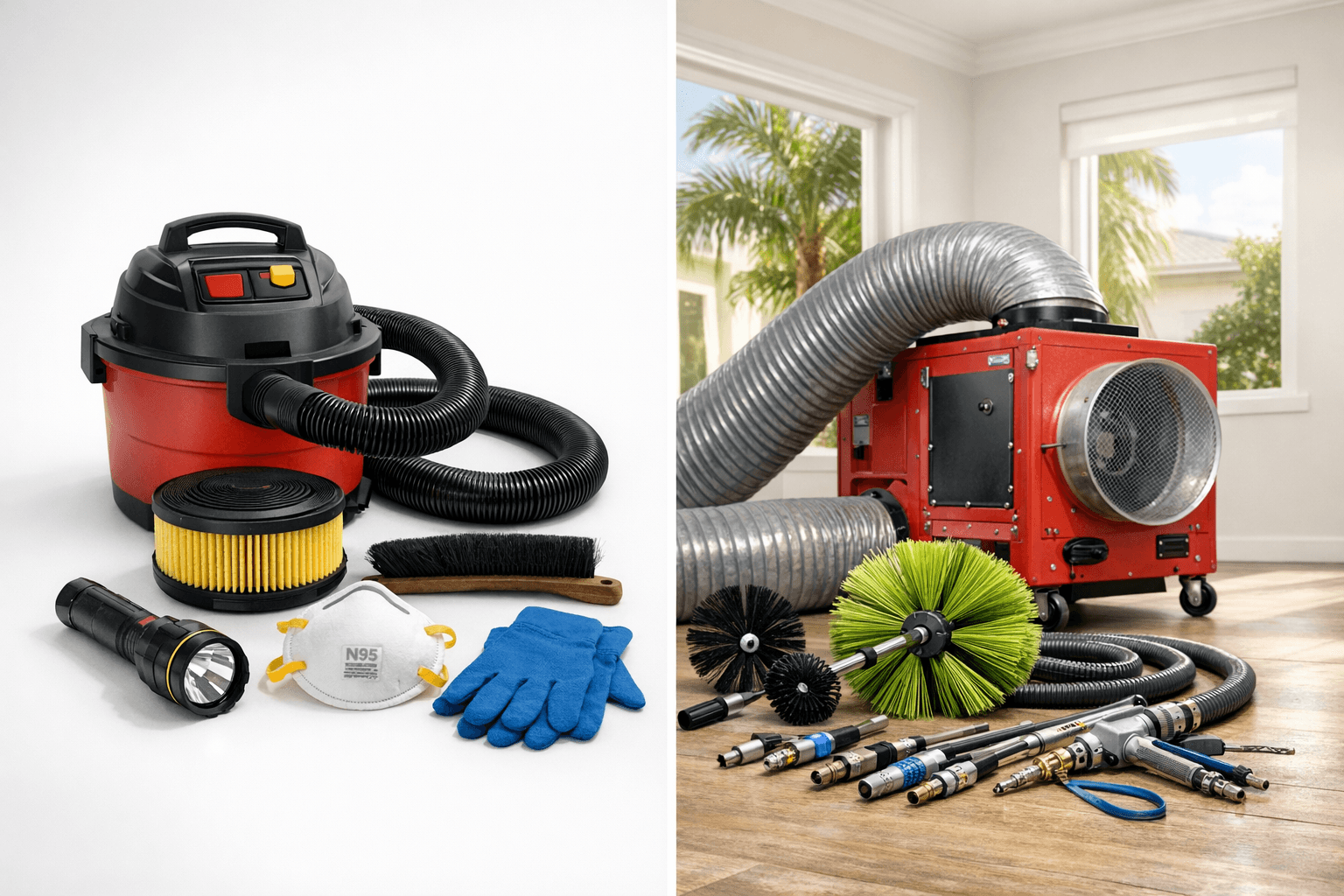
- Flashlight
- Screwdriver (for removing vent covers)
- Camera or smartphone
- New air filter (for comparison)
Step 1: Inspect Return Vents
Return vents are the most telling because they draw air (and debris) into the system:
- Turn off the HVAC system
- Remove return grille cover
- Shine flashlight into the opening
- Look for visible dust accumulation, debris piles, or construction materials
- Take photos for documentation
Step 2: Check Supply Registers
Supply registers show what's being distributed into your living space:
- Remove a few supply register covers
- Look inside the duct boot
- Run a finger along the inside-white or gray residue indicates drywall dust
- Note any debris or particles visible
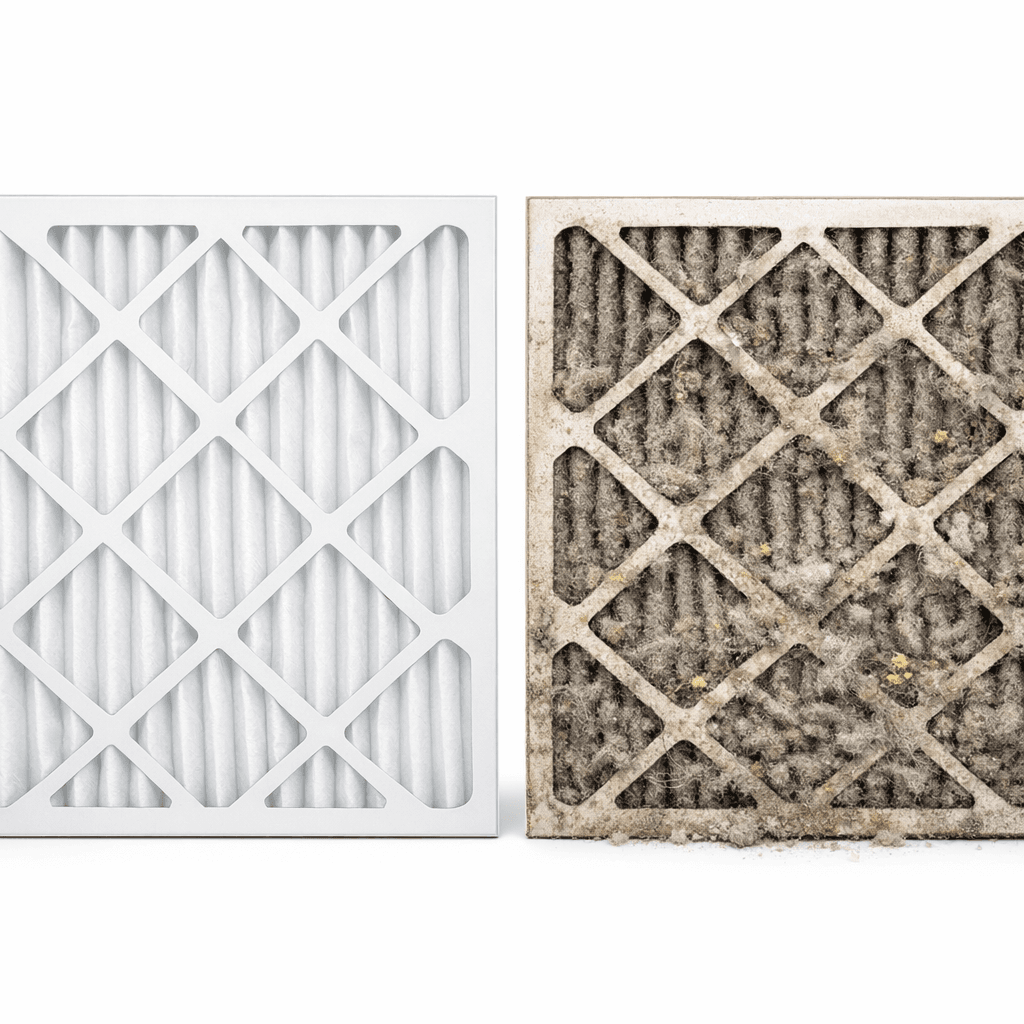
Step 3: Examine the Filter
After 1-2 weeks of operation:
- Remove and inspect the air filter
- Excessive loading with fine white/gray dust suggests drywall contamination
- Compare to a new filter of the same type
- Document the condition photographically
Step 4: Check the Air Handler
If accessible:
- Turn off power to the unit
- Open the access panel to the blower compartment
- Look for dust accumulation on the blower wheel and housing
- Check the evaporator coil for debris buildup
What You're Looking For
| Finding | Interpretation | Action |
|---|---|---|
| Light dust film | Normal, not necessarily problematic | Monitor, change filter regularly |
| Heavy dust accumulation | Likely contamination during construction | Consider cleaning |
| Visible debris piles | Definite contamination | Cleaning recommended |
| Construction materials (screws, insulation) | Obvious contamination | Cleaning required, document for builder |
| Mold or moisture | Serious concern | Professional inspection and remediation |
Professional Cleaning Process
When cleaning is warranted, understanding the proper process helps you evaluate contractors.
Source Removal Method
The industry-standard approach for new construction duct cleaning:
- System Assessment: Technicians inspect the entire duct system and HVAC components
- Access Creation: Service openings are cut into main trunks if needed
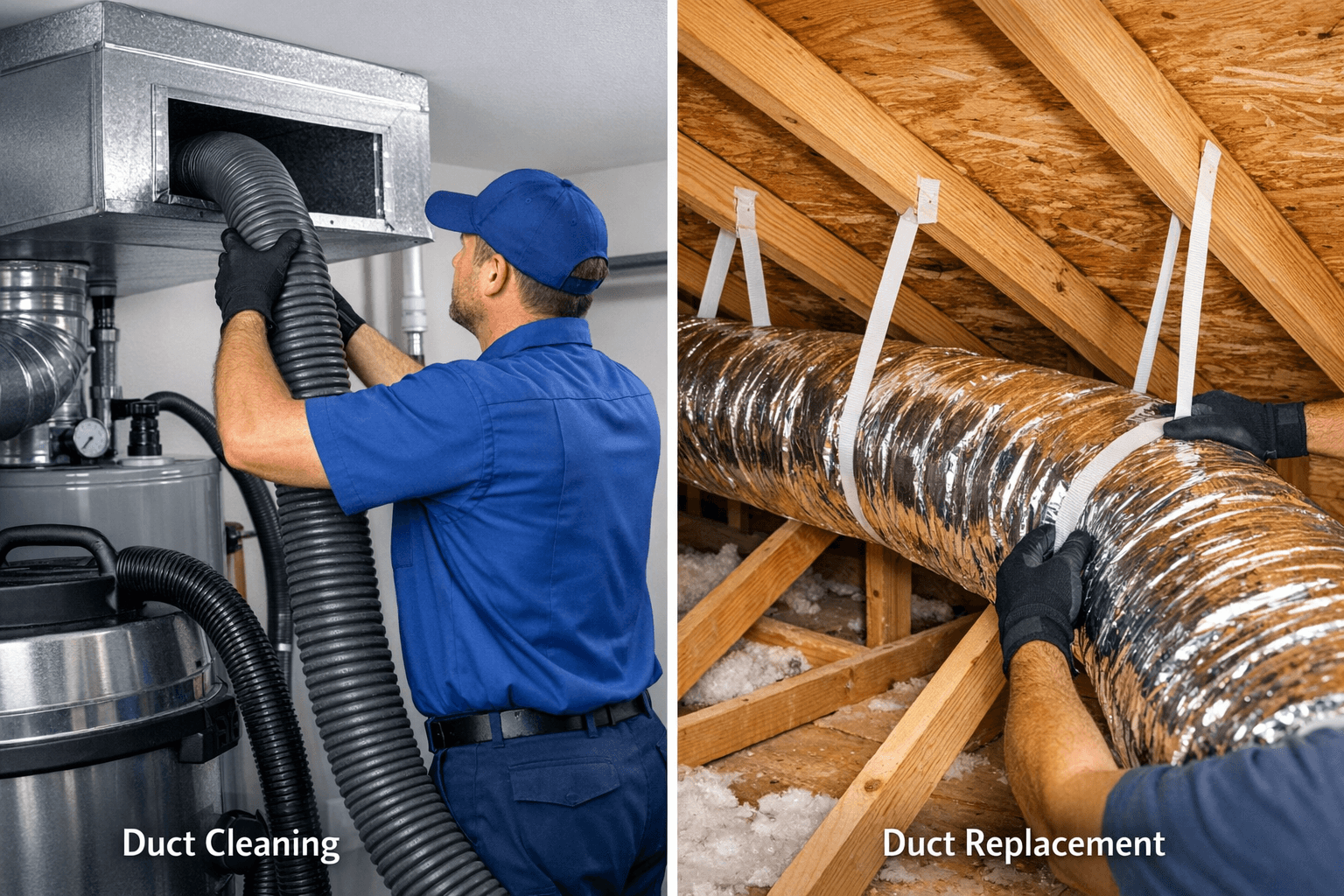
- Negative Pressure: A high-powered vacuum creates negative pressure in the duct system
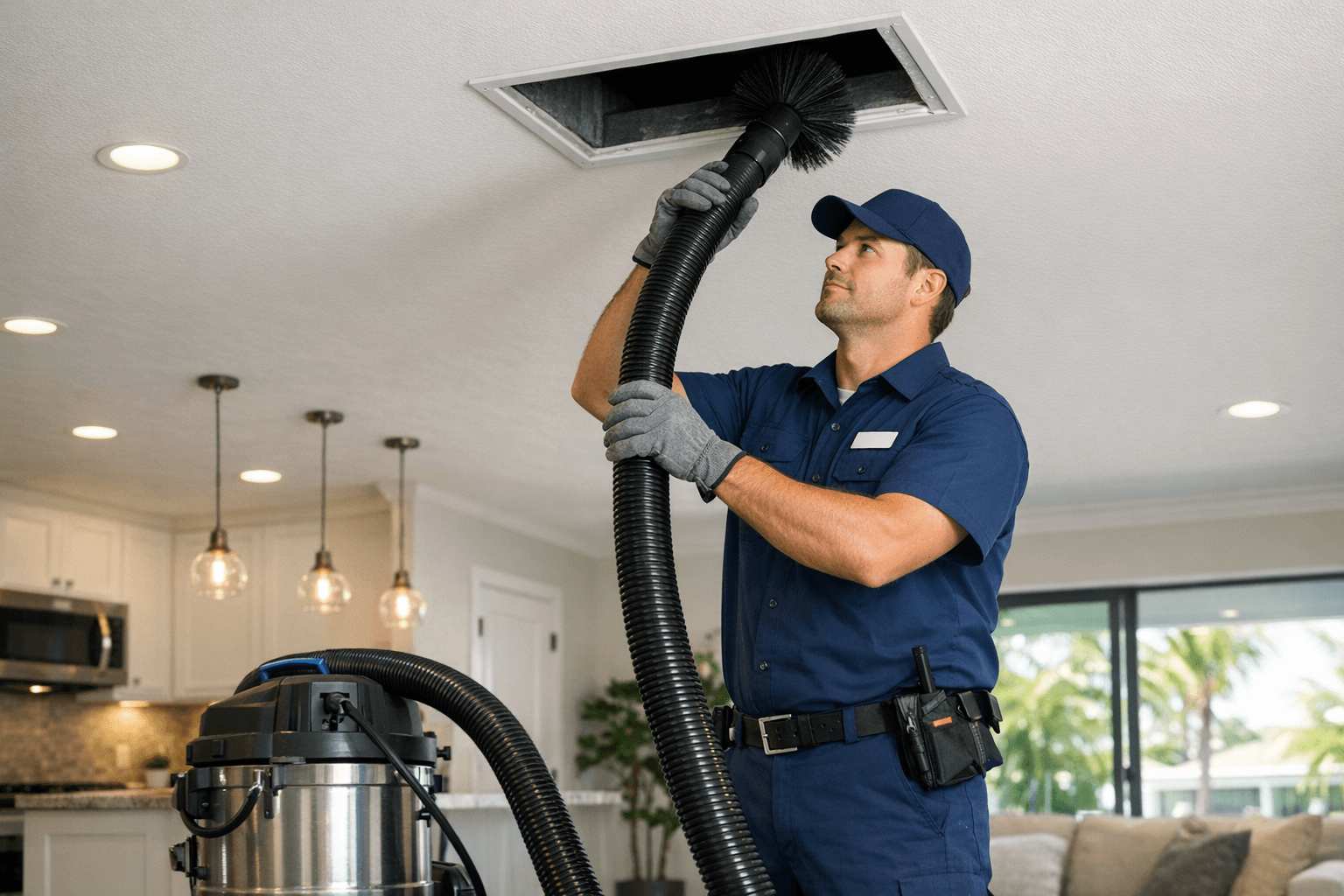
- Agitation: Rotating brushes, air whips, or compressed air dislodge adhered debris
- Debris Collection: Dislodged material is pulled into the collection unit
- Component Cleaning: Blower, coil, and drain pan are cleaned as needed
- Sealing and Restoration: Access holes are sealed, registers reinstalled
- Documentation: Before and after photos verify cleaning effectiveness
What to Require from Contractors
When hiring for new construction duct cleaning:
- Source removal method: Not just a shop-vac at registers
- Before and after photos: Inside main trunks and returns
- Component cleaning: Include blower compartment and coil if contaminated
- NADCA membership: National Air Duct Cleaners Association standards
- Written scope of work: Exactly what's included and excluded
- No unnecessary upsells: Be cautious about chemical treatments or "sanitizers"
The EPA advises understanding the pros and cons of biocides and sealants, noting limited evidence for these treatments in typical scenarios.
Cleaning Timeline
For a typical new construction home:
- Inspection and quote: 30-60 minutes
- Cleaning process: 3-5 hours depending on system size
- Filter replacement: Immediately after cleaning
- Follow-up inspection: 2-4 weeks later to verify results
Cost Considerations
New construction duct cleaning costs vary based on system size and contamination level.
Typical Price Ranges
| Home Size | Supply Runs | Typical Cost |
|---|---|---|
| Under 1,500 sq ft | 6-8 | $300-$450 |
| 1,500-2,500 sq ft | 8-12 | $400-$600 |
| 2,500-3,500 sq ft | 12-16 | $550-$750 |
| Over 3,500 sq ft | 16+ | $700-$1,000+ |
Factors Affecting Cost
- Number of HVAC systems: Multiple systems multiply the cost
- Contamination severity: Heavy debris may require additional time
- Access difficulty: Ducts in tight spaces cost more to clean
- Component cleaning: Adding coil and blower cleaning increases cost
- Flex duct vs. metal: Flex duct may require more careful handling
Builder Responsibility Scenarios
If contamination clearly results from improper construction practices:
- Before closing: Request cleaning as a condition of sale or closing credit
- Within warranty period: Submit written request citing workmanship defect
- Document everything: Photos, filter condition, and any respiratory symptoms
Prevention During Construction
If you're building a new home or involved early in the process, prevention is more effective than remediation.
Best Practices During Construction
For Builders and HVAC Contractors:
- Install duct system late in the construction sequence when possible
- Cover all openings with temporary caps or plastic during dusty work
- Don't operate HVAC during drywall sanding, cutting, or painting
- Install filter media at returns before system operation
- Change filters frequently during construction
- Clean ducts before commissioning if contamination occurred
For Homeowners:
- Visit construction site and observe duct protection
- Document any concerns with photos
- Include duct inspection in your pre-closing walkthrough
- Request documentation of protective measures taken
- Add duct cleaning to punch list if contamination is visible
Building America Guidelines
The Department of Energy's Building America program recommends:
- Seal off supply and return registers during construction
- Don't operate HVAC system until after dust cleanup
- Clean ducts before occupancy if contamination occurred
- Document protection measures for homeowner records
Frequently Asked Questions
Do new homes really need air duct cleaning?
Not all new homes need duct cleaning, but many do. If the HVAC system was operated during drywall sanding or other dusty construction activities, or if duct openings weren't protected, debris likely accumulated in the system. Inspect your returns and check filter loading within the first few weeks to determine if cleaning is warranted.
When is the best time to clean ducts in a new construction home?
The optimal time is after all dusty construction work is complete but before you move in. This ensures all debris from construction is removed without contaminating your belongings. If you've already moved in and notice issues, schedule cleaning as soon as possible.
Should the builder pay for duct cleaning?
If duct contamination resulted from improper construction practices-like running the HVAC during dusty work or failing to protect duct openings-this is typically a builder responsibility. Document the contamination with photos and submit a written request. Florida's new builder warranty law (effective July 1, 2025) strengthens these protections.
How can I tell if my new home's ducts are contaminated?
Check for these signs: dust blowing from registers when the system runs, rapid filter clogging within 2-4 weeks, visible debris inside return vents when covers are removed, white or gray dust on surfaces that reappears after cleaning, and musty or chemical odors when the HVAC operates.
How much does new construction duct cleaning cost?
Costs typically range from $300-$600 for average-sized homes (1,500-2,500 sq ft), with larger homes costing $700-$1,000 or more. Factors include number of HVAC systems, contamination severity, access difficulty, and whether component cleaning (coils, blower) is included.
Is drywall dust in ducts dangerous?
Drywall dust can irritate respiratory passages, aggravate asthma, and cause eye irritation. While not acutely toxic for most people, continuous exposure is undesirable. The fine particles also coat HVAC components, reducing efficiency and potentially shortening equipment life.
What should I ask my builder about duct protection during construction?
Ask: Were register openings and duct ends covered during dusty work? Was the HVAC system operated during drywall sanding? How many times were filters changed during construction? Was any duct cleaning performed before final inspection? Request documentation or photos if available.
Does Florida require builders to clean ducts before occupancy?
No, Florida Building Code doesn't specifically require duct cleaning before occupancy. Code requirements focus on duct leakage, insulation, and energy efficiency-not dust cleanliness. However, delivering a contaminated system could be considered a workmanship defect under Florida's new builder warranty law.