Indoor Air Quality Testing: When You Need It & What It Reveals
Quick answer: Indoor air quality (IAQ) testing is most valuable when you have a specific concern-persistent symptoms, musty odors, recent water damage, or post-renovation air issues. Testing everything "just to be sure" often yields unclear results. Professional IAQ tests typically cost $150-$1,000+ depending on scope. In Florida, humidity-related issues make targeted testing particularly relevant. Call Pro Air Chimney at 813-513-7861 for professional assessment.
Table of Contents
- When IAQ Testing Makes Sense
- When Testing Is Unnecessary
- Types of Air Quality Tests
- What Different Tests Measure
- DIY vs Professional Testing
- Cost Breakdown
- Florida Humidity Factors
- How to Get Actionable Results
- Next Steps After Testing
- FAQs
When Indoor Air Quality Testing Makes Sense
IAQ testing delivers the best value when there's a hypothesis to test-not when you're randomly screening for problems. Consider testing when:
Symptom-Based Triggers
- Persistent health symptoms that improve when you leave home (headaches, congestion, eye irritation, wheezing)
- Recurring respiratory issues among household members, especially those with asthma or compromised immune systems
- Unexplained fatigue or concentration problems that started after moving in or a specific event
Event-Based Triggers
- After water damage, flooding, or roof/pipe leaks (even if dried quickly)
- Post-renovation or new construction (drywall dust, paint fumes, new flooring off-gassing)
- Recent mold remediation (verification that work was effective)
- Wildfire smoke intrusion or nearby fire event
- New furnishings with noticeable chemical odors
Property-Related Triggers
- Real estate transactions where baseline documentation is valuable
- Persistent musty odors without visible moisture source
- Unresolved "mystery smells" that cleaning doesn't eliminate
- Humidity issues (condensation on windows, clammy feel) despite A/C running
For professional assessment of your specific situation: System Inspections or call 813-513-7861.
When Testing Is Usually Unnecessary
Testing isn't always the right first step. Save your money when:
Visible Mold Present
According to the EPA, if you can see mold, sampling is generally unnecessary. The priority is fixing the moisture source and cleaning/remediation-not confirming what you already know exists. Testing adds cost without changing the action plan.
No Health-Based Standards
The CDC and NIOSH note there are no federal health-based standards for indoor mold levels. This means test results can be difficult to interpret without a clear comparison baseline. A report showing "1,200 Aspergillus spores" doesn't tell you much without context.
General Curiosity
"I just want to know if my air is good" rarely produces actionable information. Without symptoms or a specific concern, broad IAQ panels often return results that are within normal variation-leaving you with expensive data and no clear direction.
When the Fix Is Obvious
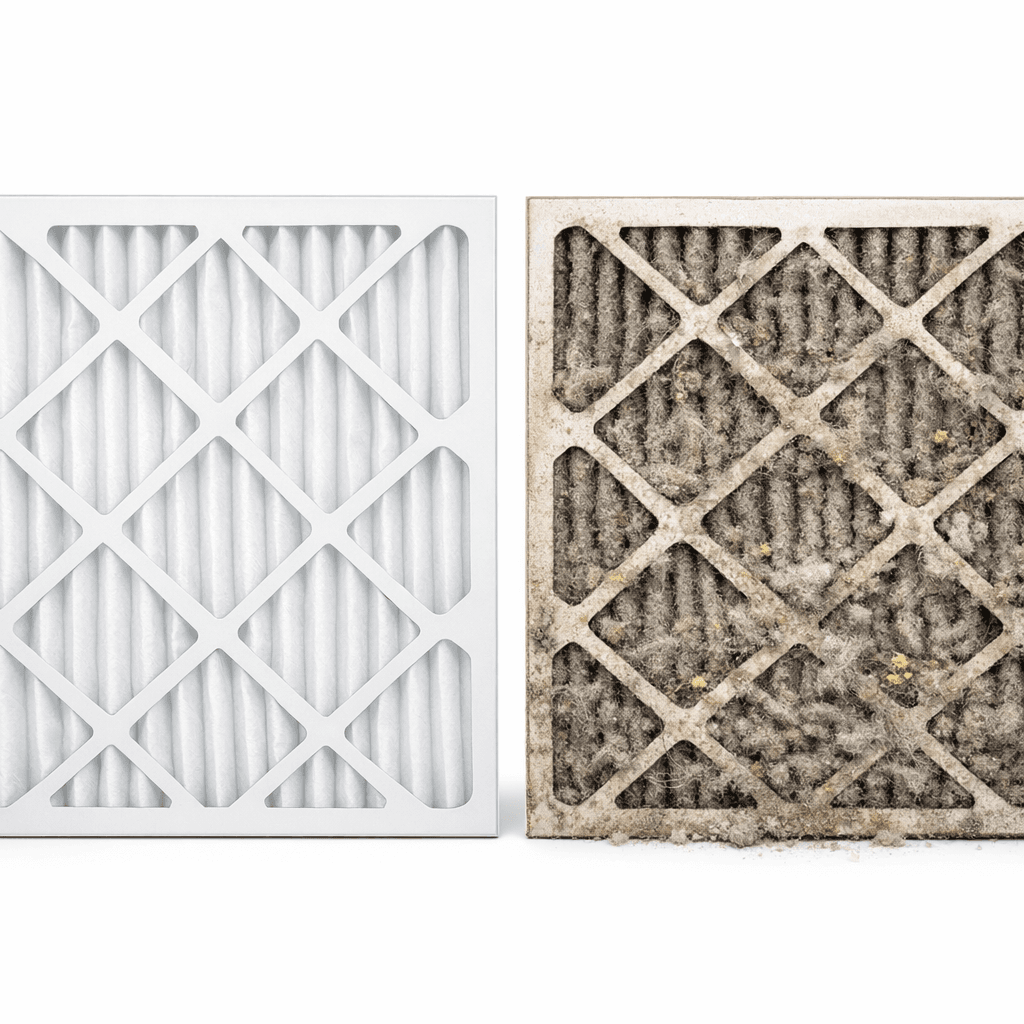
If your filters are clogged, humidity is high, or vents are visibly dusty, you don't need testing to confirm there's a problem. Address the obvious issues first, then test only if symptoms persist.
Types of Indoor Air Quality Tests
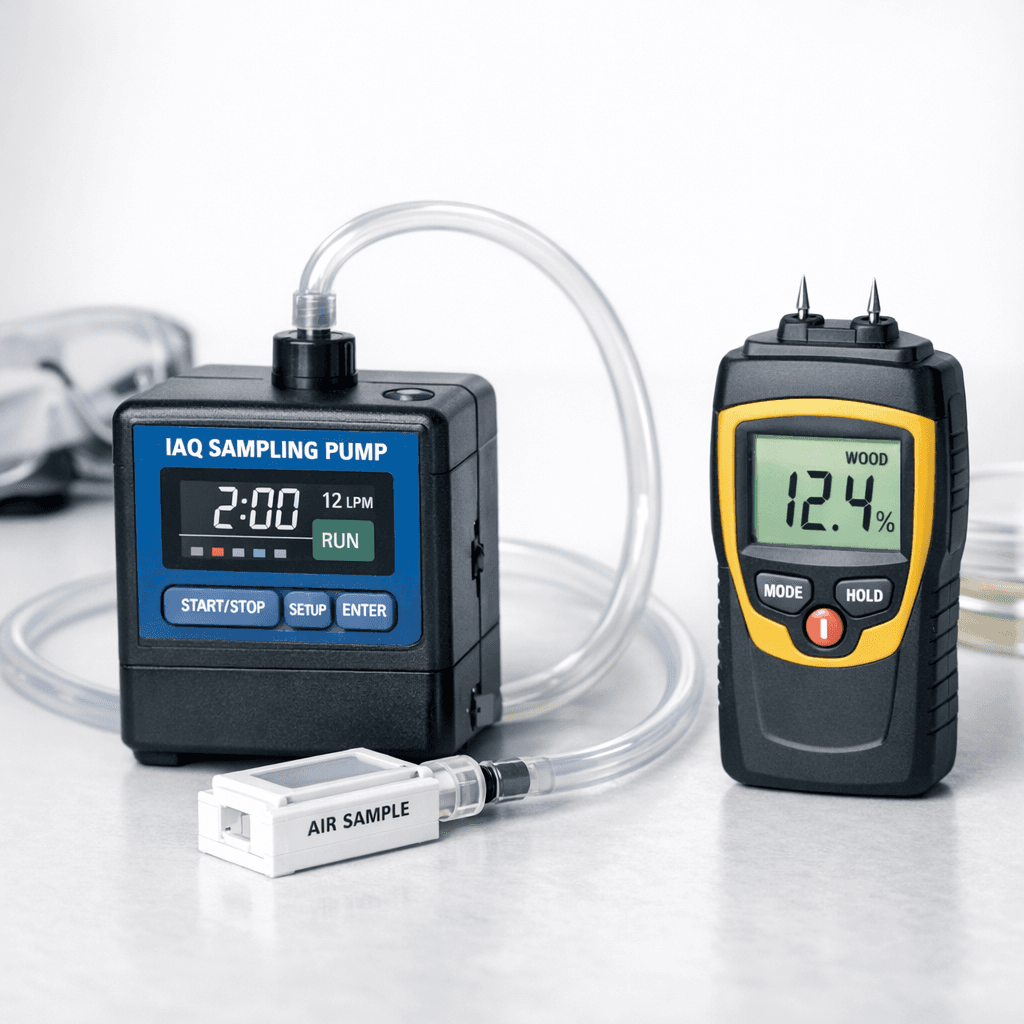
Professional IAQ testing covers several categories depending on what you're investigating.
1. Mold and Biological Sampling
- Air sampling captures airborne spores for lab analysis (spore counts and identification)
- Surface swabs/tape lifts confirm what's growing on specific materials
- Bulk samples analyze pieces of contaminated material
Best for: Post-remediation verification, investigating hidden mold, documenting contamination scope
Limitations: No pass/fail threshold exists; interpretation requires comparing indoor vs. outdoor levels
2. VOC (Volatile Organic Compound) Testing
- Measures Total VOCs (TVOCs) and sometimes specific compounds like formaldehyde, benzene, or toluene
- Often relevant after renovations, new furniture installation, or when chemical odors persist
Best for: New construction off-gassing, chemical sensitivity concerns, post-renovation air quality
Common sources: Paint, adhesives, flooring, furniture, cleaning products, air fresheners
3. Particulate Matter Testing (PM2.5 / PM10)
- Measures airborne particles by size (PM2.5 = fine particles under 2.5 microns)
- Can be continuous monitoring or point-in-time sampling
Best for: Wildfire smoke assessment, construction dust, general air cleanliness evaluation
Note: PM2.5 is especially concerning because particles this size penetrate deep into lungs
4. Combustion Gases
- Carbon monoxide (CO) testing is critical for homes with gas appliances
- Nitrogen dioxide and other combustion byproducts may be assessed
Best for: Safety verification of gas furnaces, water heaters, and fireplaces
5. Radon Testing
- Measures naturally occurring radioactive gas that enters through foundations
- Usually a separate, specialized test (often recommended for real estate transactions)
Best for: Baseline testing in areas with known radon risk, real estate disclosures
6. Allergen Testing
- Identifies specific allergens like dust mites, pet dander, cockroach debris, and pollen
- Surface and air sampling options available
Best for: Targeted allergen reduction strategies when you need to prioritize
What Different Tests Actually Reveal
Understanding what each test tells you (and what it doesn't) helps set realistic expectations.
| Test Type | What It Measures | Actionable If... |
|---|---|---|
| Mold air sampling | Spore count and species | Indoor levels significantly exceed outdoor baseline |
| VOC panel | Chemical vapor concentrations | Specific compounds are elevated above comfort thresholds |
| PM2.5 | Fine particle concentration | Levels exceed EPA recommendations (35 μg/m³ 24-hr average) |
| Carbon monoxide | CO in parts per million | Any reading above 0 indicates combustion issue |
| Formaldehyde | Specific VOC concentration | Levels exceed 0.1 ppm (common guideline) |
| Humidity | Relative humidity % | Consistently above 60% (mold risk) or below 30% (comfort) |
Key Insight
Context matters more than numbers. A mold spore count of 2,000/m³ means nothing without knowing outdoor levels (if outside is 1,800/m³, your indoor air isn't the problem). Good testing always includes comparison baselines.
DIY vs Professional Testing: When Each Makes Sense
DIY Testing Options
Pros:
- Lower cost ($20-$200 for basic kits)
- Immediate availability
- Good for initial screening
Cons:
- Limited accuracy and interpretation support
- Mold test kits often produce false positives (spores are everywhere)
- No professional recommendations for remediation
Reasonable DIY options:
- Humidity monitors (~$15-$30): Essential baseline data for Florida homes
- Radon test kits (~$15-$40): Effective for initial screening, widely available
- CO detectors (~$30-$50): Required safety device, not really "testing" but monitoring
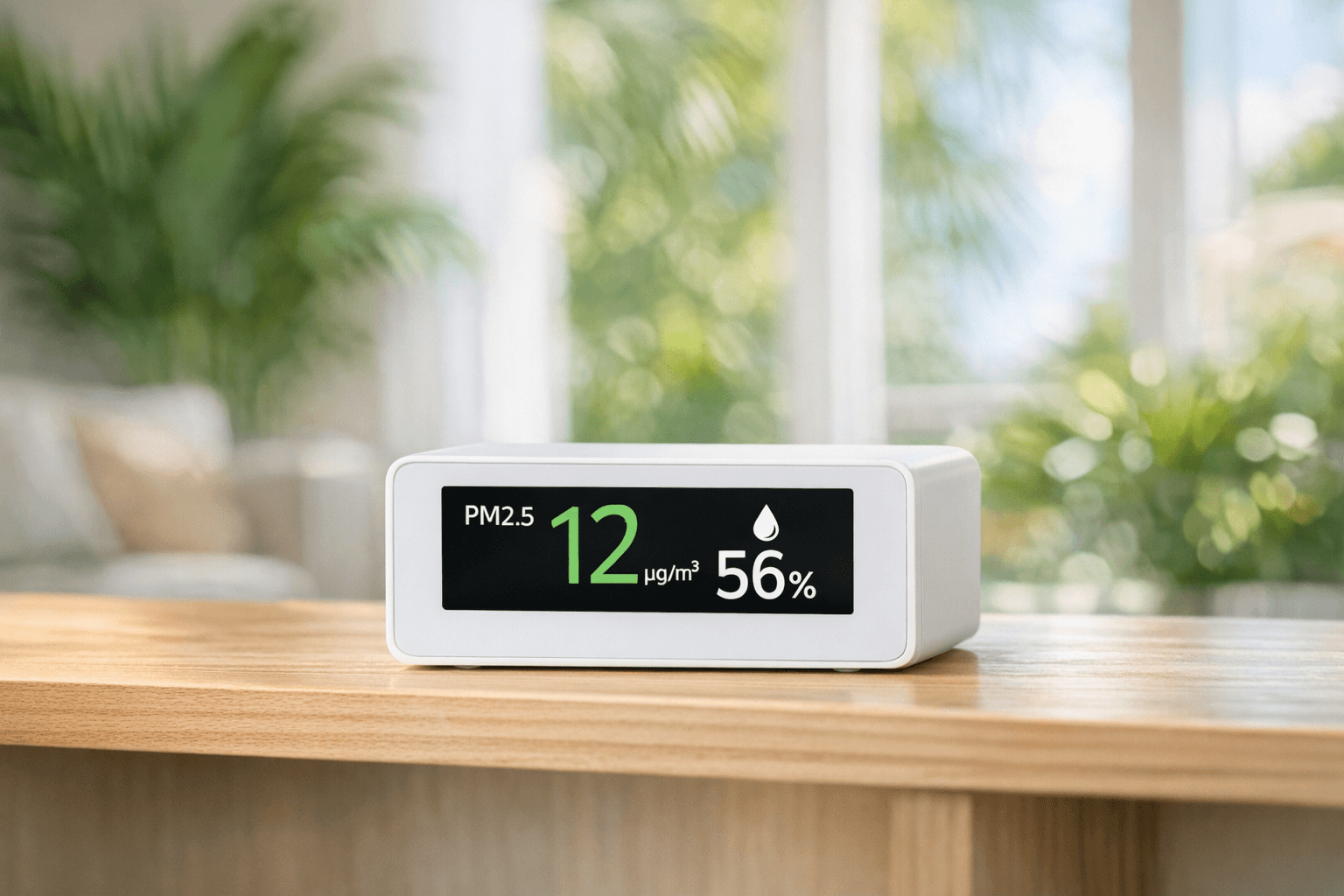
- Basic air quality monitors (~$100-$300): Measure PM2.5, humidity, sometimes VOCs
DIY to avoid:
- Mold test kits that "grow samples" (results are misleading without context)
- Cheap VOC "detectors" without calibration
Professional Testing
Pros:
- Calibrated equipment with documented accuracy
- Proper sampling protocols (location, duration, conditions)
- Lab analysis with quality control
- Interpretation by trained professionals
- Actionable recommendations
Cons:
- Higher cost ($150-$1,000+)
- Scheduling required
- May still require follow-up investigation
Choose professional testing when:
- Health symptoms are significant and persistent
- Legal documentation is needed (real estate, litigation, insurance)
- Post-remediation verification is required
- DIY testing raised concerns that need confirmation
- The situation involves Florida licensing requirements (mold assessment)
Florida-Specific: Mold Assessment Licensing
In Florida, mold assessment for hire is regulated by DBPR. If someone is taking mold samples professionally, they should be a licensed Mold Assessor. Verify credentials at myfloridalicense.com before hiring.
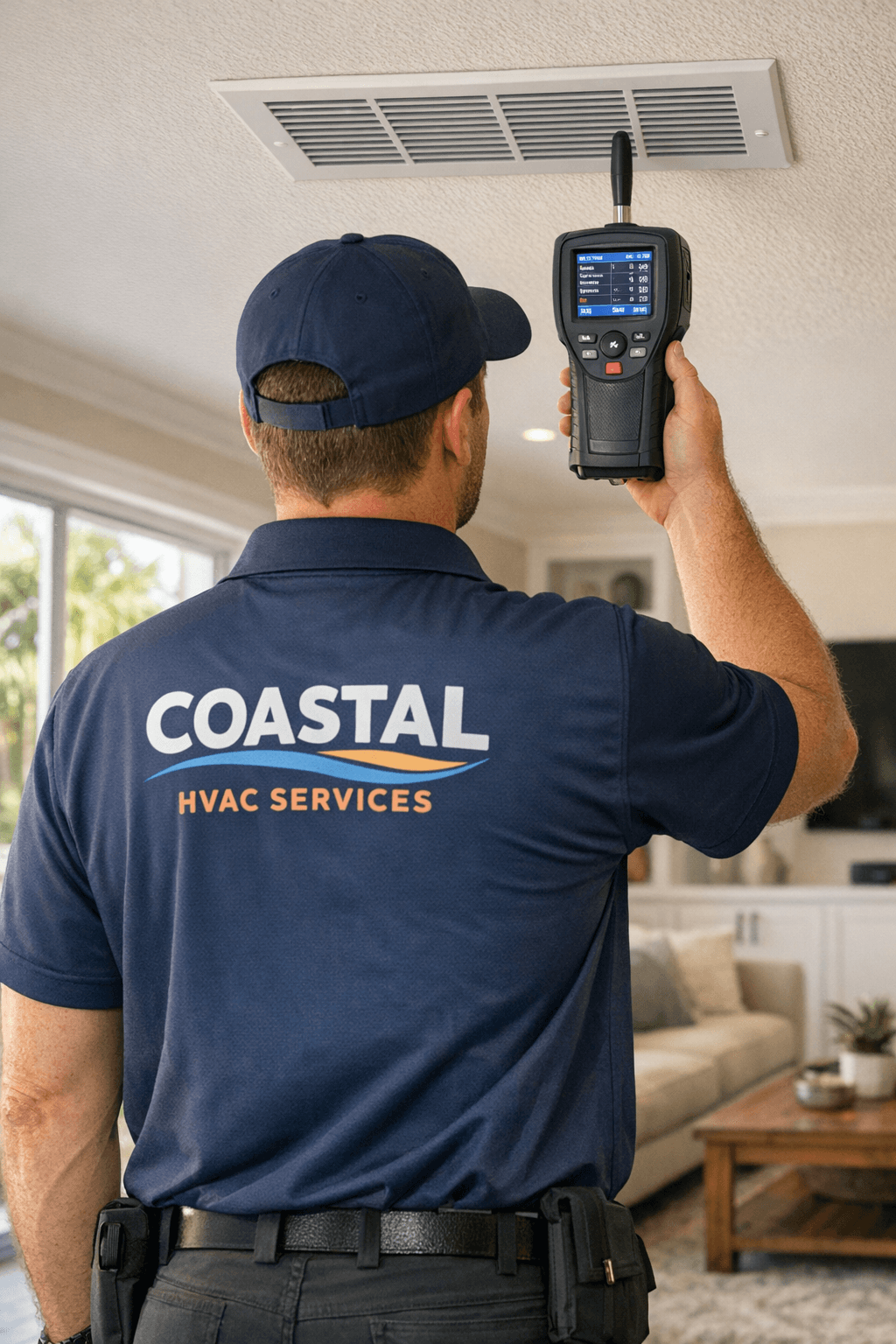
Indoor Air Quality Testing Cost Breakdown (2024-2025)
Professional IAQ testing costs vary based on scope, location, and what's being tested.
Typical Cost Ranges
| Service | Cost Range | Notes |
|---|---|---|
| Basic whole-home IAQ test | $290-$585 | National average ~$437 |
| Comprehensive IAQ panel | $500-$1,000+ | Multiple pollutant categories |
| Mold air sampling | $300-$1,000 | Depends on sample count, lab fees |
| VOC testing | $200-$300 per sample | Often bundled with other tests |
| Carbon monoxide testing | $100-$200 | Usually part of combustion safety check |
| Allergen testing | $100-$200 | Surface or air samples |
| Radon testing | $150-$300 | Professional continuous monitoring |
What Affects Cost
- Number of samples: More locations = more lab fees
- Lab turnaround time: Rush results cost extra
- Report depth: Basic results vs. detailed remediation recommendations
- Follow-up consultation: Some include interpretation; others charge separately
Budget-Conscious Approach
- Start with free or low-cost indicators (humidity monitor, visual inspection)
- Use DIY tests for radon baseline
- Invest in professional testing only when you have a specific question or need documentation
For professional assessment tailored to your concerns: System Inspections or call 813-513-7861.
Florida Humidity: Why It Matters for Air Quality
Florida's climate creates unique IAQ challenges that don't exist in drier regions.
Target Indoor Humidity Levels
- Ideal range: 30-50% relative humidity
- Upper acceptable limit: Below 60%
- Problem threshold: 70%+ consistently = elevated mold risk
The Florida Department of Health recommends keeping indoor humidity below 60% to reduce mold growth potential, with below 50% being optimal for controlling both mold and dust mites.
Why Florida Homes Struggle with Humidity
Common culprits:
- Oversized A/C units: Cool air quickly but don't run long enough to dehumidify
- Fan set to "ON" instead of "AUTO": Re-evaporates moisture from the coil
- Duct leaks in attics: Pull hot, humid air into the system
- Poor bathroom/kitchen ventilation: Moisture stays trapped inside
- Foundation or crawlspace moisture: Constantly adds humidity load
When to Test vs. When to Fix
Don't need IAQ testing if:
- You can confirm indoor RH consistently exceeds 60%
- Musty odors appear during humid weather
- Condensation forms on windows or cold surfaces
In these cases, moisture control comes first. Testing won't change the prescription: improve dehumidification, fix duct leaks, and address ventilation.
Consider testing when:
- Humidity is controlled but symptoms persist
- You've fixed moisture issues but want verification
- Odors continue after visible sources are addressed
Quick Florida Checklist
- Buy a digital hygrometer (~$20) and monitor multiple rooms
- Verify A/C is properly sized and not short-cycling
- Check for duct leaks, especially in unconditioned attic space
- Ensure bathroom exhaust fans vent outdoors (not into attic)
- Address any standing water, leaks, or drainage issues within 24-48 hours
How to Get Actionable Results from IAQ Testing
Not all IAQ reports are equally useful. Here's how to ensure testing provides real value.
Before Testing: Set Clear Goals
Ask the testing company:
- What specific question will this test answer?
- What standards will you compare results against?
- Will the report include recommendations, or just data?
- How do you handle mold results (since there are no federal limits)?
During Testing: Ensure Proper Protocol
Quality testing includes:
- Multiple sampling locations (problem areas + baseline areas)
- Indoor/outdoor comparison (essential for mold)
- Documentation of conditions (temperature, humidity, HVAC status)
- Appropriate sampling duration (not just a quick grab sample)
After Testing: Demand a "Fix List"
A useful report should include:
- Clear explanation of what was found
- Context for interpreting numbers (comparisons, thresholds)
- Prioritized recommendations for addressing any issues
- Guidance on source control (not just air cleaning)
Red Flags in IAQ Testing
Be cautious if a company:
- Recommends testing without asking about your concerns
- Can't explain what standards they'll compare results to
- Pushes "mold remediation" based on air samples alone without inspection
- Charges for extensive testing when your problem has an obvious cause
Next Steps After Testing
What you do with results matters as much as the testing itself.
If Testing Reveals Problems
- Prioritize source control: Eliminate or reduce the source of contamination
- Address moisture: In Florida, this is almost always part of the solution
- Improve ventilation: Fresh air exchange reduces accumulated pollutants
- Upgrade filtration: After source control, better filters help maintain air quality
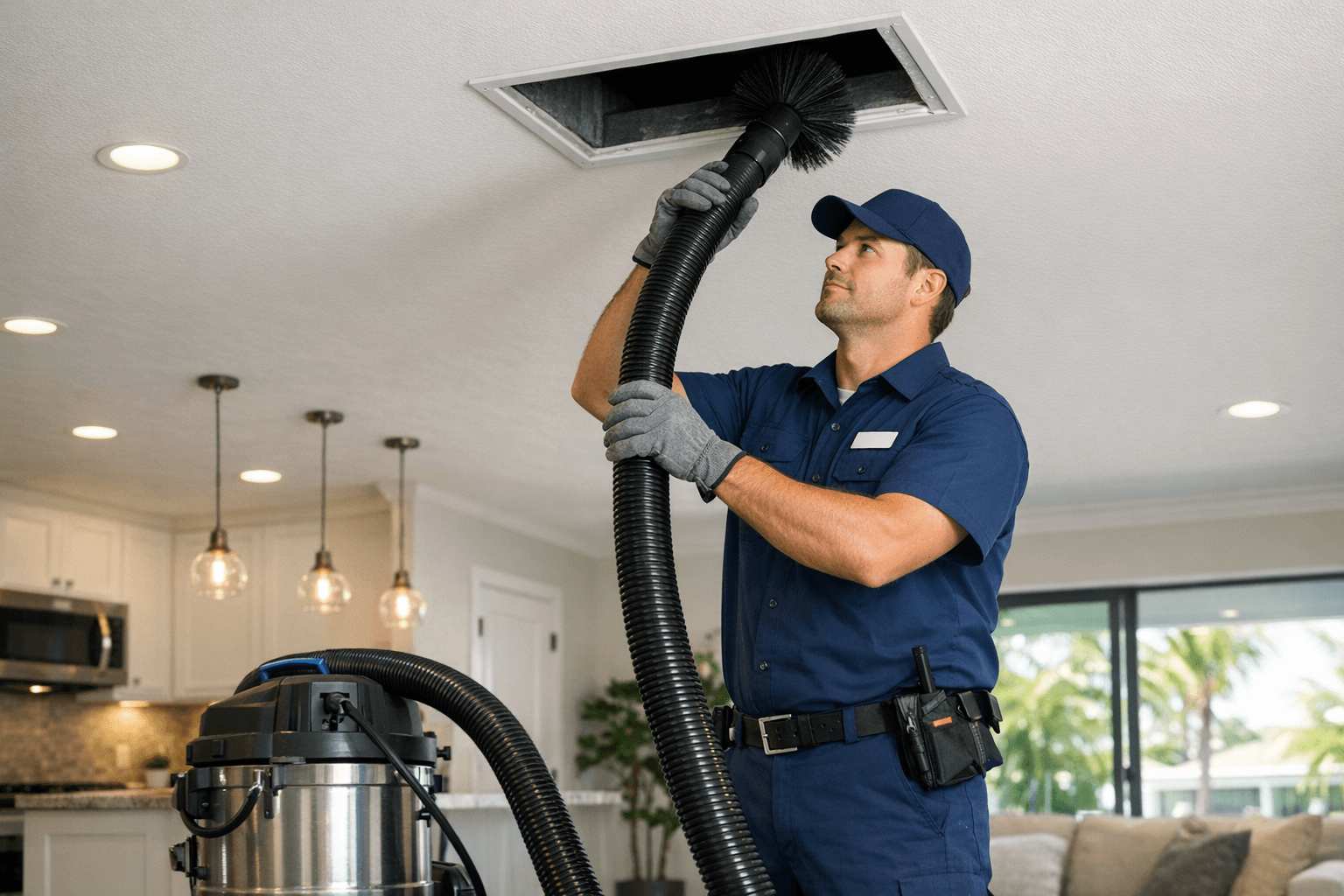
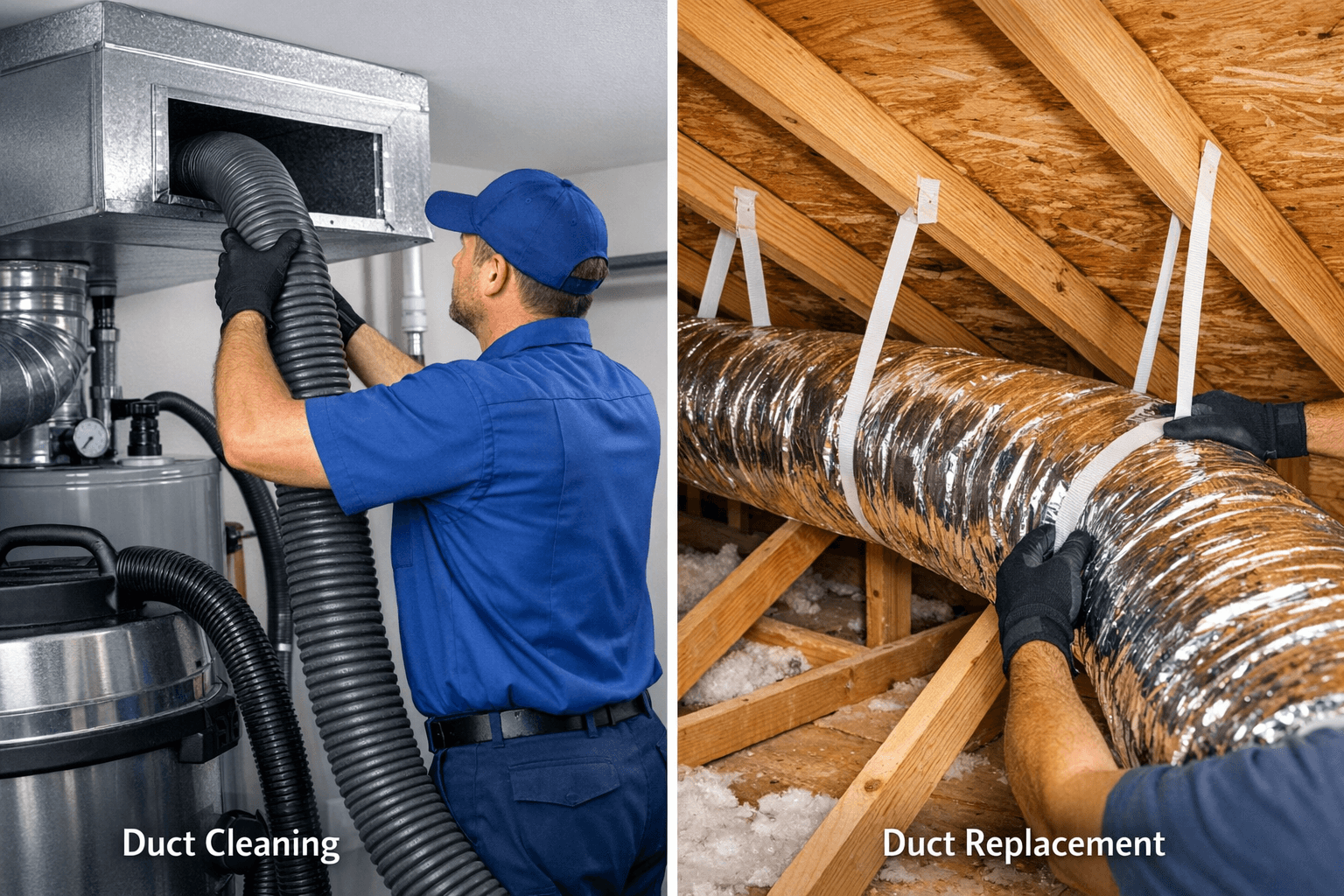
- Consider duct cleaning: When contamination has spread through HVAC system
If Results Are Normal
- Investigate other potential symptom causes
- Confirm testing was comprehensive enough for your concerns
- Document the baseline for future comparison
Related Services
- Air Duct Cleaning - When contamination has reached ductwork
- System Inspections - Professional evaluation of your HVAC system
- Duct Repair - Fix leaks that allow contaminated air intrusion
Service Areas
Ready for Professional Assessment?
If you're experiencing air quality concerns and want expert guidance-not just data-call Pro Air Chimney at 813-513-7861 or schedule online.
We'll help you determine whether testing is needed and what specific tests will answer your questions.
FAQs
Q: How much does indoor air quality testing cost? A: Professional IAQ testing typically costs $150-$1,000+ depending on scope. A basic whole-home test averages around $437 nationally, while specific tests (mold, VOC, allergens) range from $100-$300 each.
Q: When should I get my indoor air quality tested? A: Test when you have specific concerns: persistent health symptoms that improve when you leave home, after water damage or flooding, post-renovation, or when investigating musty odors. Testing "just to know" often yields unclear results.
Q: What does indoor air quality testing measure? A: Depending on the panel, tests can measure mold spores, VOCs (volatile organic compounds), particulate matter (PM2.5), carbon monoxide, radon, allergens, and humidity. The right tests depend on your specific concerns.
Q: Is DIY air quality testing accurate? A: Some DIY options work well (humidity monitors, radon kits), while others are unreliable (mold "grow" kits). For health-related decisions or documentation, professional testing with calibrated equipment and proper protocols is recommended.
Q: Do I need mold testing if I can see mold? A: Usually no. The EPA states that if visible mold is present, testing is generally unnecessary-the priority is fixing the moisture source and remediation. Testing adds cost without changing the action plan.
Q: What humidity level is safe for indoor air in Florida? A: Keep indoor humidity between 30-50% ideally, and always below 60% to prevent mold growth. Above 70% consistently creates significant mold risk.
Q: How long does indoor air quality testing take? A: On-site sampling typically takes 1-3 hours depending on home size and test types. Lab results usually return within 3-7 business days, with rush options available at extra cost.
Q: What should I do if my air quality test shows problems? A: Focus on source control first-eliminate or reduce the contamination source. Then address moisture issues, improve ventilation, upgrade filtration, and consider duct cleaning if contamination has spread through the HVAC system.