Commercial Dryer Vent Cleaning for Laundromats & Businesses
Commercial dryer vent cleaning is a critical maintenance requirement for laundromats, hotels, apartment complexes, and any business operating multiple dryers. Unlike residential systems, commercial dryer vents handle significantly higher lint loads and require more frequent attention to maintain fire code compliance and operational efficiency.
This guide covers fire code requirements, cleaning frequency for high-volume operations, cost factors, insurance considerations, and best practices for multi-unit systems.
Need commercial dryer vent service in Florida? Call Pro Air Chimney at 813-513-7861 or schedule at https://proairchimney.com/contact.
Table of contents
- Why commercial dryer vent cleaning matters
- Fire code compliance and NFPA requirements
- Cleaning frequency by business type
- Multi-unit and manifold system considerations
- Cost factors for commercial cleaning
- Insurance requirements and liability
- What commercial cleaning includes
- Warning signs of restricted vents
- Choosing a commercial service provider
- FAQs
- Sources
Why commercial dryer vent cleaning matters
Commercial dryers in laundromats and hotels run dozens of cycles daily compared to the 1-2 cycles typical in residential settings. This high-volume use creates lint accumulation at rates that far exceed what home systems experience.
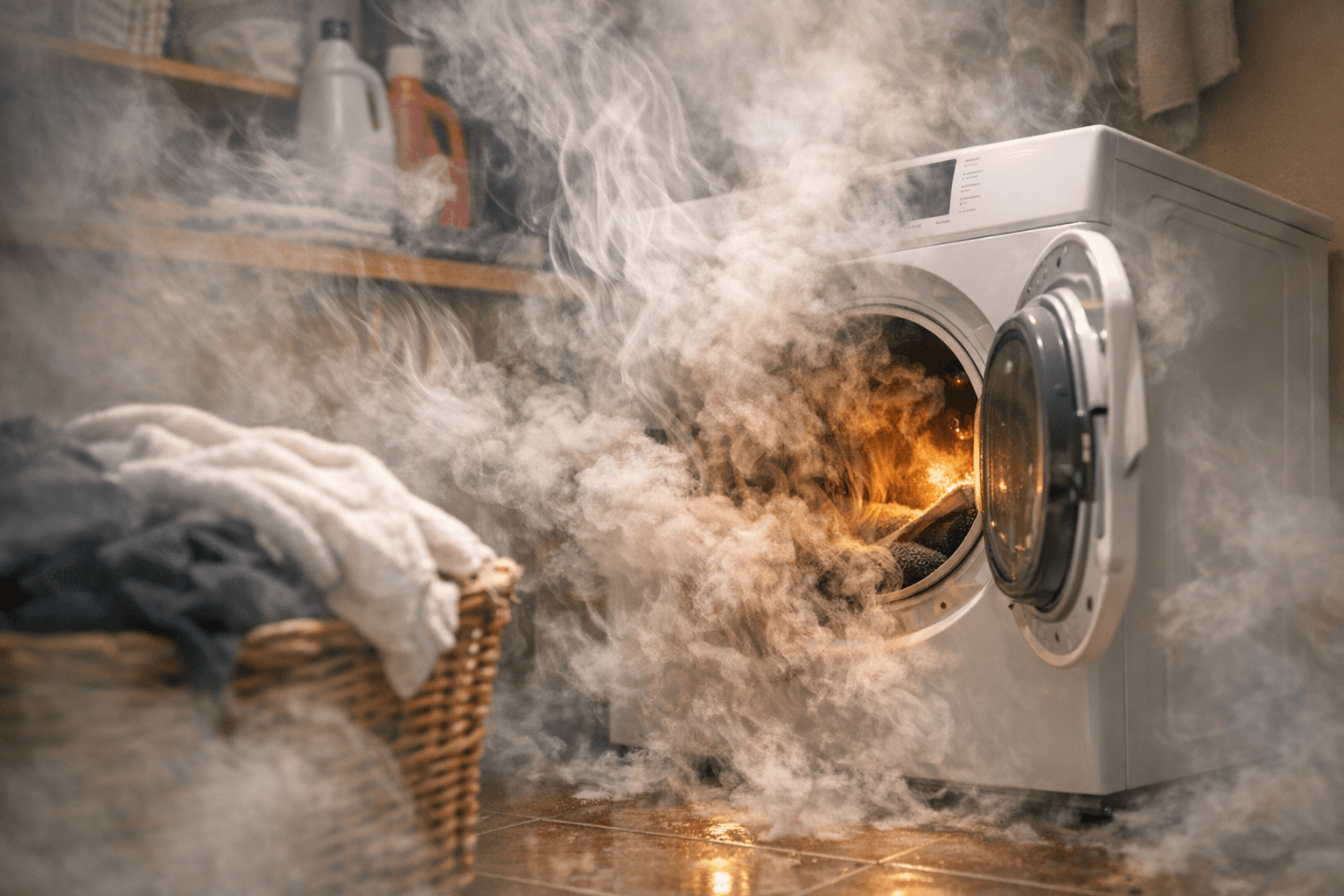
The fire risk is significant. According to NFPA data, "failure to clean" was cited as a factor in approximately 33% of dryer fires. For commercial operations running 50+ loads per day, lint builds up exponentially faster, making regular maintenance essential.
Beyond fire prevention, restricted vents cause:
- Longer drying times (increasing energy costs and customer wait times)
- Premature dryer component failure from overheating
- Higher utility bills from inefficient operation
- Potential code violations and failed inspections
- Insurance claim denials if maintenance records are inadequate
For residential dryer vent information, see: /services/dryer-vent-cleaning
Fire code compliance and NFPA requirements
Most jurisdictions adopt fire codes based on the International Fire Code (IFC) or NFPA 1. The typical requirement is performance-based rather than prescribing a specific interval.
Standard fire code language:
"Clothes dryers and their exhaust systems shall be cleaned as necessary to keep lint traps, exhaust ducts, and mechanical/heating components free from excessive lint accumulation."
This language appears in adopted fire codes across many states, including Florida. The key phrase is "as necessary"-which means your business must demonstrate a maintenance program that prevents excessive lint buildup.
What fire marshals and inspectors expect
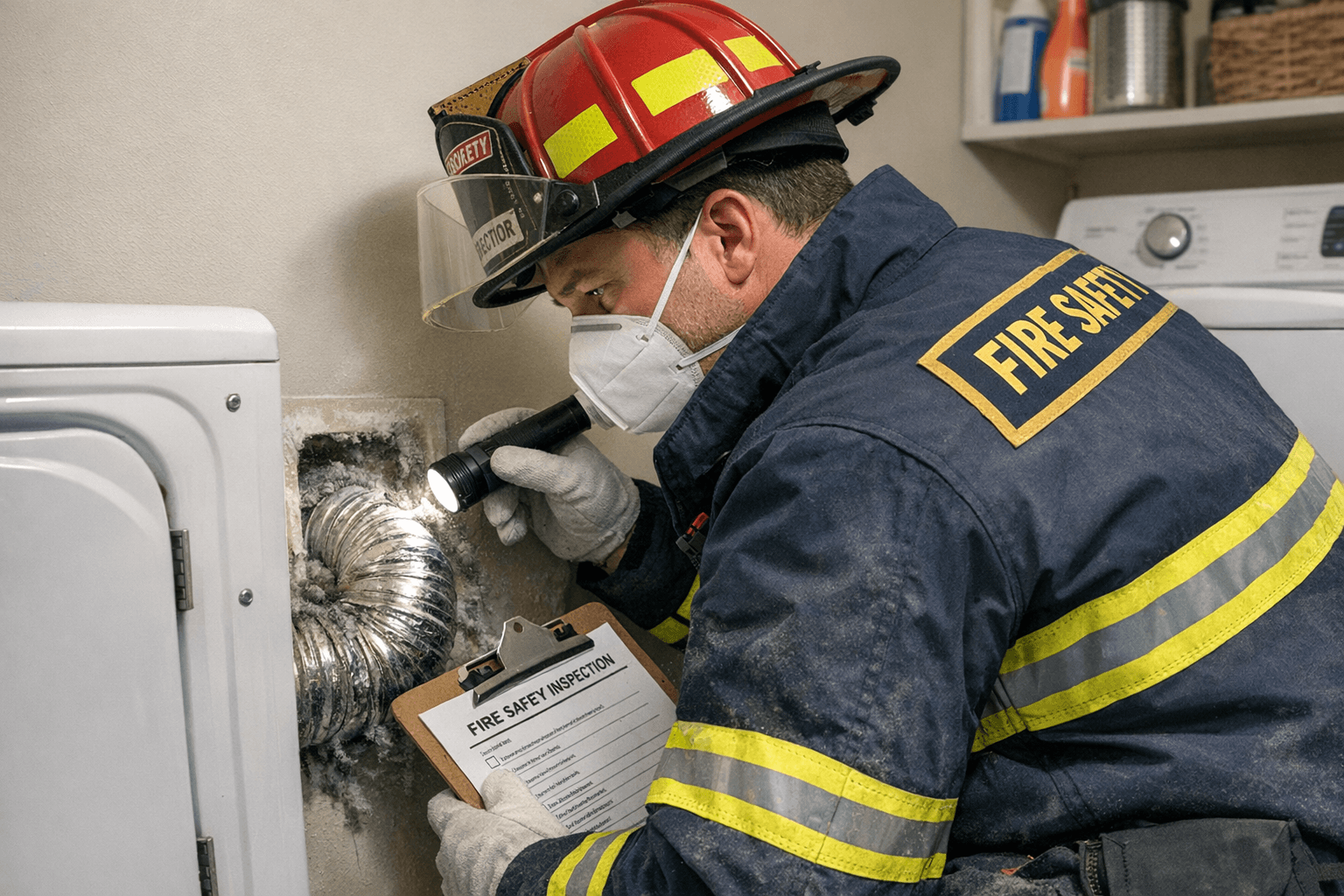
- A documented maintenance schedule based on your actual usage
- Service records showing dates, what was cleaned, who performed the work, and findings
- Evidence of airflow verification after each cleaning
- Deficiency documentation when problems are found (crushed ducts, disconnected joints, improper materials)
NFPA safety guidance recommends cleaning lint out of vent pipes at least annually, with more frequent cleaning based on usage. For commercial operations, annual cleaning is typically the absolute minimum.
Cleaning frequency by business type
The right cleaning schedule depends on dryer usage volume, duct configuration, and observed performance. These are recommended starting points that should be adjusted based on actual conditions.
Laundromats (high throughput)
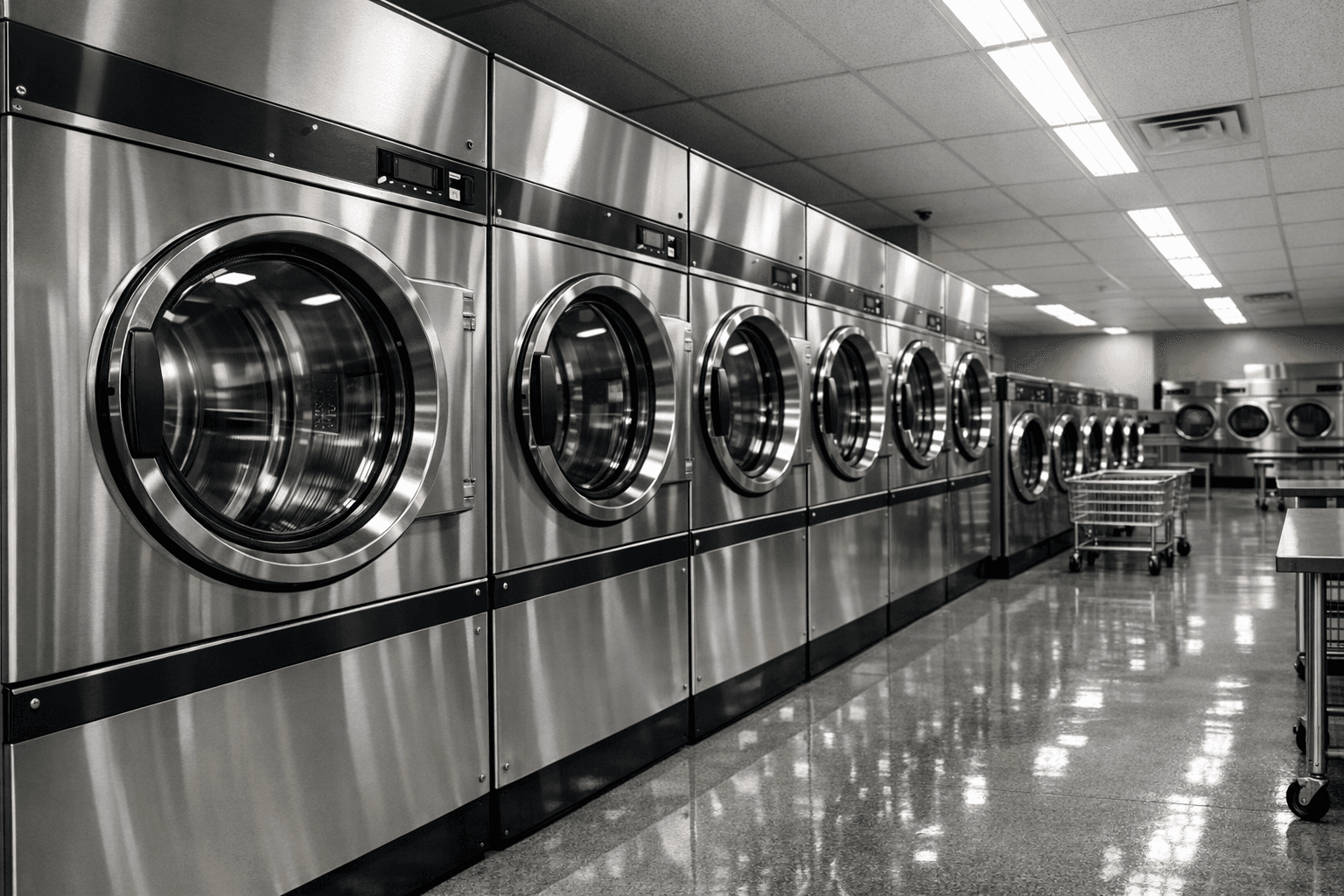
Laundromats typically run dryers continuously during operating hours. A 20-machine facility might run 200+ loads daily.
| Maintenance Task | Frequency |
|---|---|
| Lint screen cleaning | Every load (staff responsibility) |
| Area behind machines | Daily/weekly |
| Termination flap check | Weekly |
| Accessible duct inspection | Monthly |
| Professional deep cleaning | Quarterly (adjust based on lint load) |
Why quarterly for laundromats? High-volume operations generate lint at rates that can create significant restrictions within 90 days. Quarterly cleaning keeps you well away from "excessive lint accumulation" that would violate fire codes.
Hotels and hospitality laundry
Hotels typically have fewer dryers than laundromats but process heavy towel and sheet loads that produce substantial lint.
| Maintenance Task | Frequency |
|---|---|
| Lint screen cleaning | Every load |
| Termination/airflow check | Monthly |
| Full professional cleaning | Every 6 months (or quarterly for high-volume properties) |
Multi-family properties (apartments, condos)
Common-area laundry facilities in apartment buildings typically need service every 6-12 months depending on resident usage and the number of units served.
Nursing homes and healthcare facilities
Healthcare laundry processes heavy blanket and linen loads. Quarterly cleaning is typically appropriate, with documentation being especially important for regulatory compliance.
Important: These are starting points. If you observe longer dry times, overheating, or weak exhaust airflow, clean immediately regardless of schedule.
Multi-unit and manifold system considerations
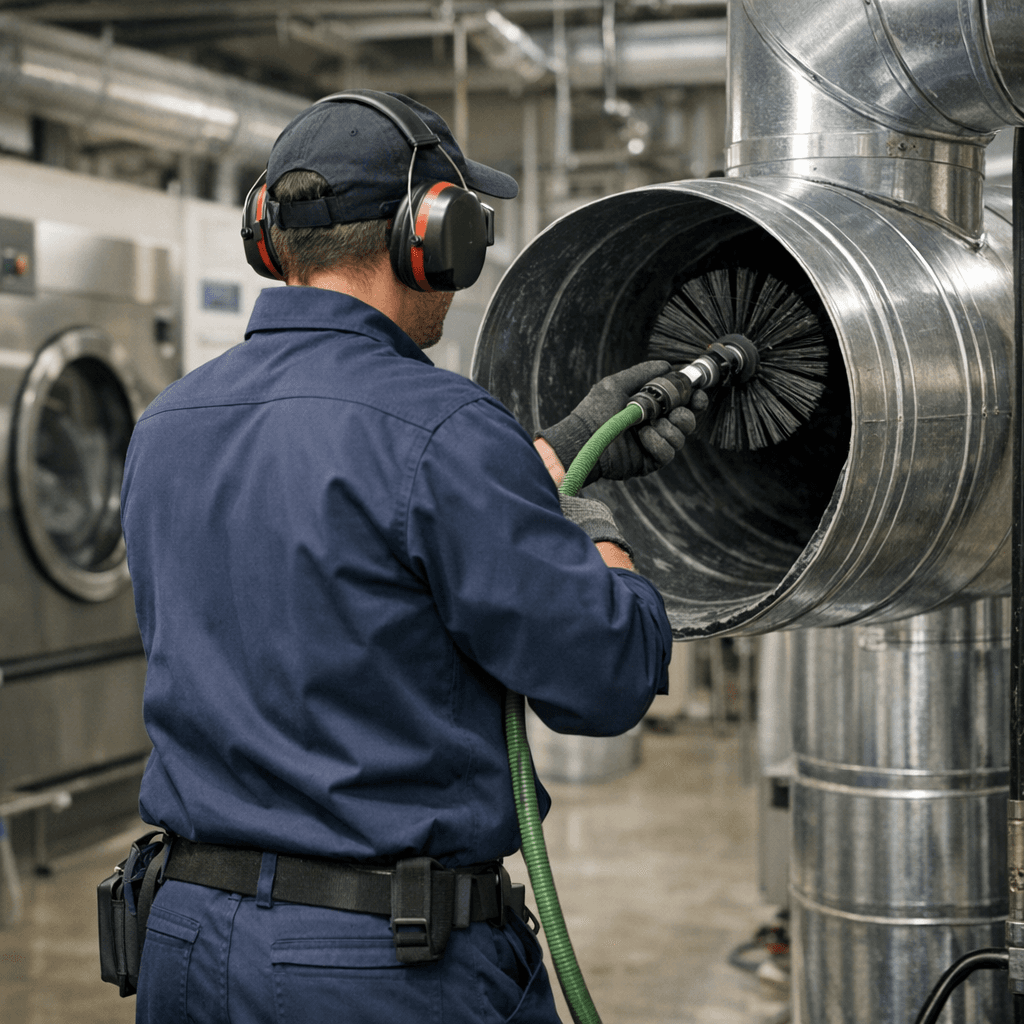
Commercial buildings often use shared duct systems where multiple dryers connect to common risers or manifolds. These systems require specialized cleaning approaches.
Types of commercial duct configurations
1. Individual runs: Each dryer has its own duct to an exterior termination. This is the simplest to clean and maintain.
2. Shared vertical risers: Multiple dryers on different floors connect to a common vertical duct. Lint can accumulate at tie-in points and within the riser itself.
3. Manifold systems: Multiple dryers connect to a horizontal manifold that feeds a single exhaust point. These are common in commercial laundry rooms.
4. Booster fan systems: Long duct runs may include inline booster fans to maintain adequate airflow. These fans collect lint and require cleaning as part of the system.
What manifold system cleaning should include
- Cleaning each branch line from the dryer to the manifold connection
- Cleaning the common trunk or riser
- Servicing any inline booster fans or power ventilators
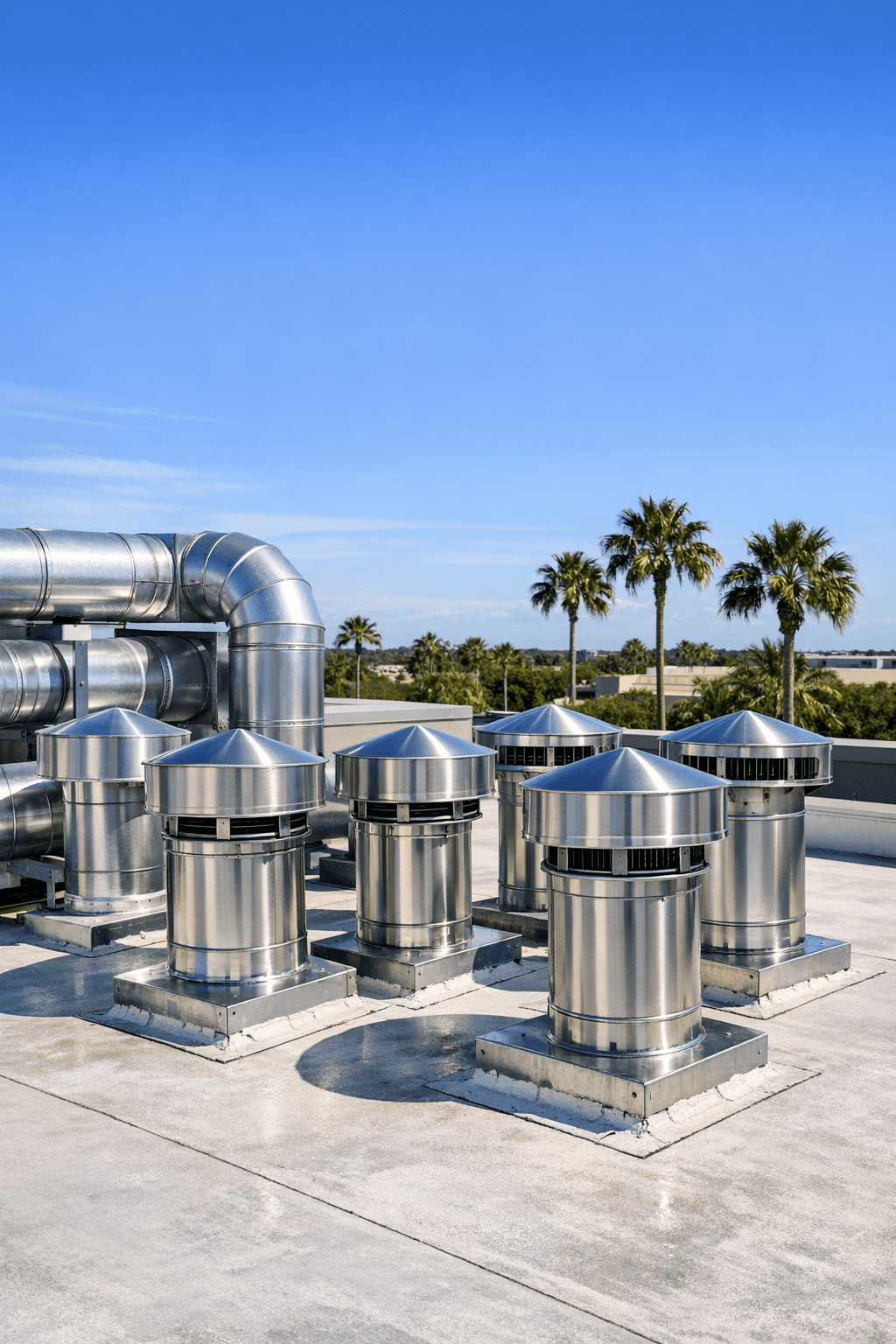
- Cleaning and verifying all termination points (roof caps, wall hoods)
- Airflow testing or another documented performance check
- Photo documentation from accessible areas when useful for maintenance records
Access requirements for multi-unit systems
Commercial systems should be designed with cleanout access points. If your system lacks proper access, consider having cleanouts installed during your next service visit. This reduces future cleaning costs and ensures the entire system can be properly maintained.
Cost factors for commercial cleaning
Commercial dryer vent cleaning pricing differs significantly from residential service. Costs depend on system complexity rather than a simple per-unit fee.
Typical pricing structures
Per-unit pricing (simple systems): For buildings with individual dryer-to-exterior runs, expect $100-$200 per unit with volume discounts for multiple units.
Project-based pricing (complex systems): Manifold systems, shared risers, and roof terminations are typically quoted as complete projects. Factors include:
- Number of dryer connections
- Number and height of vertical risers
- Roof access requirements
- Booster fan servicing
- System complexity and condition
Common add-on costs:
- Bird nest or heavy blockage removal: $120-$250
- Roof access surcharge: $75-$150
- Booster fan cleaning: $50-$100 per fan
- After-hours service: 25-50% premium
What affects commercial pricing
- System configuration: Manifold systems cost more than individual runs
- Access difficulty: Roof terminations, tight mechanical rooms, tenant coordination
- Lint accumulation severity: Heavy buildup requires more time
- Documentation requirements: Some facilities need detailed reports with photos
- Scheduling constraints: Working around business operations or tenant schedules
Get accurate quotes by providing: Number of dryers, system configuration (individual vs. shared), termination locations, last cleaning date, and any known issues.
Insurance requirements and liability
Commercial property insurance policies increasingly scrutinize dryer vent maintenance. Proper documentation protects your business in multiple ways.
What insurers typically require
Minimum coverage requirements for service contractors:
- Commercial General Liability: $1,000,000 per occurrence / $2,000,000 aggregate
- Auto liability (if vehicles used onsite)
- Workers' Compensation as required by law
- Employers Liability (often at least $100,000)
Documentation your insurer may request:
- Written preventive maintenance schedule
- Service records with dates and findings
- Contractor certificates of insurance
- Condition photos from accessible areas or airflow verification
Protecting your business
Maintain records of:
- Every cleaning date and what was serviced
- Technician findings and recommendations
- Any deficiencies identified and how they were addressed
- Airflow measurements before and after service
Why documentation matters: If a dryer fire occurs, your insurance claim may be denied if you cannot demonstrate a reasonable maintenance program. "We clean it regularly" without records may not be sufficient.
Contractor insurance verification
When hiring a commercial dryer vent cleaning company, verify:
- Certificate of Insurance (COI) with adequate limits
- Additional insured endorsement naming your business
- Workers' compensation coverage for their employees
- Professional liability if they provide inspection services
What commercial cleaning includes
A legitimate commercial service should address the complete exhaust system, not just accessible sections.
Core service components:
-
Pre-service inspection
- Evaluate system configuration and access points
- Check for disconnected joints, crushed sections, or improper materials
- Note any code compliance issues
-
Complete lint removal
- All branch lines from each dryer
- Manifolds, risers, and common trunks
- Inline booster fans and housings
- Termination points (roof caps, wall hoods, bird guards)
-
Airflow verification
- Measure or verify exhaust velocity at terminations
- Confirm flap operation on all vent hoods
- Document before/after performance
-
Documentation
- Written report of work performed
- Photos of lint accumulation and cleaned condition
- Deficiency list for items needing repair
- Recommendations for maintenance frequency
Red flags in commercial service quotes:
- No mention of accessing the full system
- Price significantly below market without explanation
- No documentation or reporting included
- Unwillingness to explain their cleaning process
Warning signs of restricted vents
Commercial operations should monitor these indicators between scheduled cleanings:
Performance indicators:
- Drying cycles taking longer than normal
- Dryers running hotter than usual
- Laundry room temperature increasing during operation
- Weak airflow at exterior terminations while dryers run
Visual indicators:
- Lint visible around dryer connections or on floors
- Lint buildup at exterior vent hoods
- Crushed or disconnected transition ducts behind machines
- Burn marks or discoloration on dryer housings
Operational indicators:
- Moisture or condensation in the laundry area
- Musty odors during drying cycles
- Increased energy costs without usage changes
- Customer complaints about dry times (laundromats)
If you observe any of these signs, schedule service immediately. Do not wait for the next scheduled cleaning.
Choosing a commercial service provider
Commercial dryer vent cleaning requires different capabilities than residential service. Evaluate providers on these criteria:
Experience and capability:
- Documented experience with commercial systems
- Equipment capable of cleaning long runs and manifolds
- Ability to access roof terminations safely
- Understanding of fire code requirements
Documentation and reporting:
- Provides written reports with findings
- Offers clear condition photos or written findings
- Can supply records for insurance or inspection purposes
- Willing to identify and document deficiencies
Insurance and compliance:
- Adequate liability coverage (request COI)
- Workers' compensation for their employees
- Willing to be named as additional insured if required
- Licensed where applicable
Service approach:
- Inspects before quoting to understand your system
- Explains what is included in the quoted price
- Provides recommendations for maintenance frequency
- Available for emergency service when needed
Questions to ask:
- How do you access and clean shared manifold systems?
- What documentation will I receive after service?
- Can you provide references from similar commercial clients?
- What is your response time for emergency service?
For commercial dryer vent cleaning in Florida, contact Pro Air Chimney at 813-513-7861 or visit https://proairchimney.com/contact.
FAQs
How often should commercial dryer vents be cleaned? Laundromats typically need quarterly cleaning due to high-volume use. Hotels and multi-family properties usually require service every 6-12 months. The right frequency depends on usage volume, duct configuration, and observed performance.
What are the fire code requirements for commercial dryer vents? Most fire codes require dryer exhaust systems to be cleaned "as necessary" to prevent excessive lint accumulation. This means maintaining a documented cleaning program appropriate for your usage level, with records available for inspection.
How much does commercial dryer vent cleaning cost? Costs vary by system complexity. Simple individual runs may cost $100-$200 per unit with volume discounts. Complex manifold systems with roof access are typically quoted as projects based on scope. Get quotes specific to your system configuration.
What insurance do I need for dryer vent maintenance? Your property insurance may require documented maintenance records. Service contractors should carry at least $1M/$2M general liability, workers' compensation, and auto coverage. Request certificates of insurance and additional insured endorsements.
What should commercial dryer vent cleaning include? Comprehensive service includes cleaning all branch lines, manifolds or risers, booster fans, and terminations. It should also include pre-service inspection, airflow verification, and documentation with photos and a written report.
How do I know if my commercial dryer vents need cleaning? Warning signs include longer drying times, overheating dryers, weak exhaust airflow, visible lint accumulation, and increased energy costs. If you observe these signs, schedule service regardless of your regular maintenance schedule.